Ceramic Valve Solutions for Pyrometallurgy
Reliable valve solutions for abrasive slurry, corrosive process media and scaling service in sintering and pyrometallurgical flue gas treatment systems
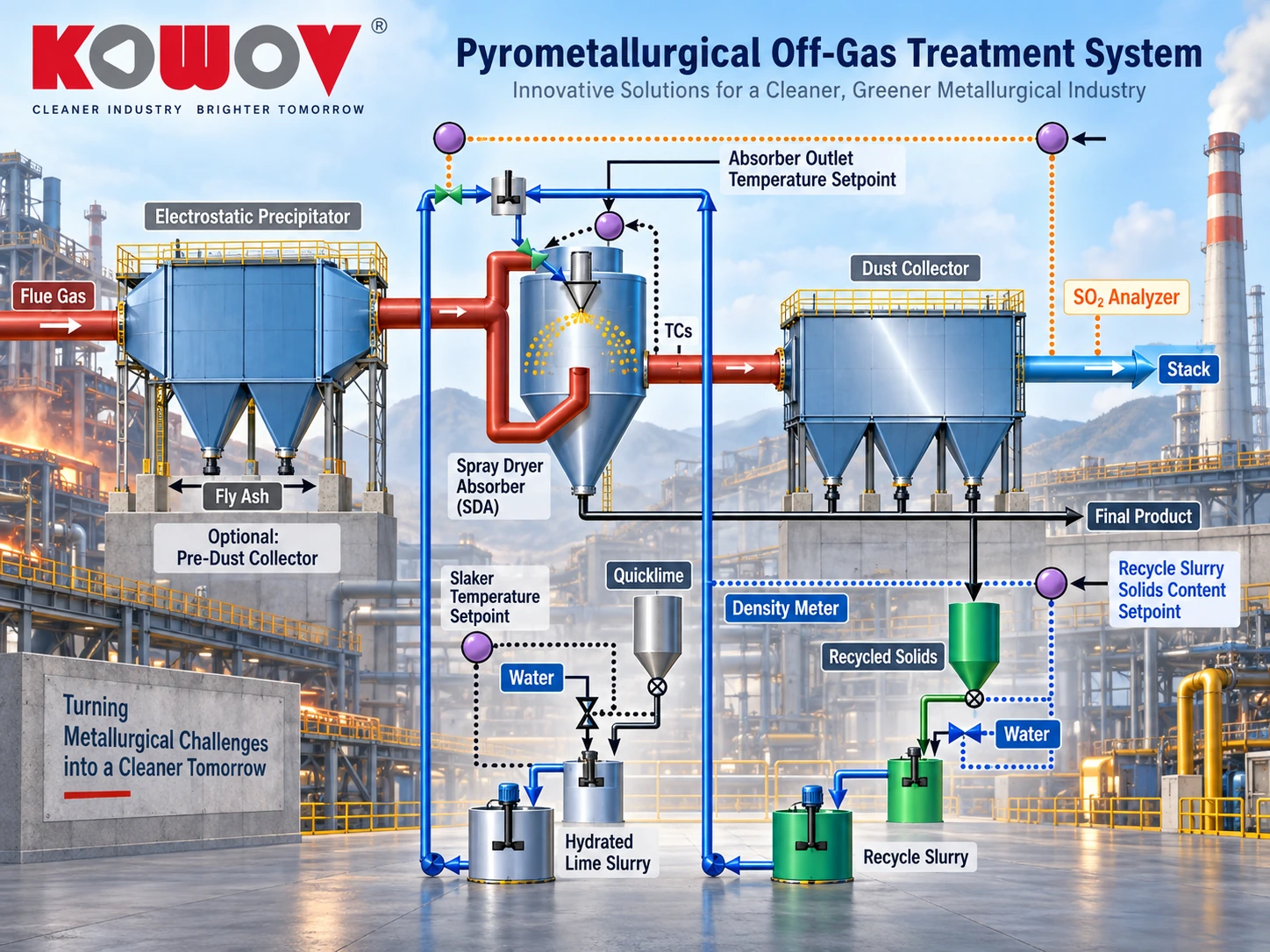
Wear-resistant and corrosion-resistant ceramic valve solutions for lime slurry, acidic process media and scaling service in pyrometallurgical flue gas treatment
Sintering Plants · Absorption-Tower Systems
Key Industries and Materials
- Non-ferrous metals: copper, lead, zinc, nickel, etc.
- Ferrous metals: iron
- Other metallurgical applications
Operating Conditions
During pyrometallurgical processing, raw-material heating, combustion and chemical reactions generate large volumes of complex flue gas. The principal constituents include:
- Particulate matter: gangue particles, incompletely reacted feed particles and metal-oxide particles
- Gaseous pollutants: primarily sulfur dioxide, generated in large quantities through the oxidation of sulfides during sulfide-ore roasting and smelting
- Other constituents: carbon dioxide, water vapor and similar components
| Parameter | Operating Condition |
|---|---|
| Core processes | Ore leaching, solution purification, metal precipitation and solid-liquid separation, including the conveying and control of limestone slurry, lime milk and acidic slurry |
| Slurry concentration | Ore slurry: 20-45%; limestone slurry/lime milk: 10-30%; acidic slurry solids: 5-40% |
| Reaction temperature | Ambient temperature to 95°C |
| Operating pressure | Atmospheric pressure to 0.6 MPa |
| pH environment | Acidic slurry: pH 0.5-4; alkaline lime milk/limestone slurry: pH 8-13; neutral salt solutions; substantial operating fluctuations |
| Medium composition | Ore particles, oxides, leaching reagents and reaction products; limestone slurry, lime milk and acidic slurry; liquid and solid phases coexist |
| Medium characteristics | Severe corrosion combined with particle erosion; lime milk and limestone slurry readily scale and crystallize; acidic slurry is highly corrosive and abrasive; all media are prone to sedimentation and blockage |
Special Characteristics of the Operating Conditions
Wide pH Range and Complex Corrosion Mechanisms
The process may involve strongly acidic slurry at pH 0.5-4, strongly alkaline lime milk or limestone slurry at pH 8-13, and neutral salt solutions. The corrosion environment is therefore extensive and highly complex
Solid-Liquid Two-Phase Media with Severe Erosion and Wear
Ore slurry, limestone slurry and acidic slurry contain high concentrations of suspended solids, generally 5-45%. The media cause severe particle erosion and abrasive wear while also presenting risks of scaling, crystallization and valve sticking
Crystallization and Scaling Cause Severe Blockage
Lime milk and limestone slurry have high solids contents and readily precipitate and crystallize during operation. Deposits can accumulate in the flow passage and on sealing surfaces, causing valve-stem sticking, flow-path blockage and valve jamming or seizure
Multiple Media and Large Process Fluctuations
Ore-slurry concentration, temperature and pressure vary continuously with production conditions. A single process system may alternately handle acidic and alkaline media as well as limestone slurry, requiring valves with broad service compatibility
High Sedimentation Risk and Strict Flow-Path Requirements
Solid particles readily settle in valve cavities and dead zones. Conventional control valves may trap material and seize after an extended shutdown. Valves therefore require a smooth, unobstructed flow path with no internal cavities or dead zones
Five Major Process Challenges in Pyrometallurgy
Alternating Acid-Alkali Corrosion
Severe pH fluctuations and frequent switching between acidic slurry and alkaline lime milk rapidly cause pitting of stainless-steel and alloy valve internals. Sealing surfaces and valve trims deteriorate quickly, significantly shortening valve service life
Particle Erosion and Abrasive Wear
Ore slurries contain 5-45% solids. High-velocity hard particles continuously erode the valve body and sealing surfaces, causing severe metallic wear. Frequent shutdowns and spare-part replacements result in persistently high maintenance costs
Crystallization and Scaling
High-calcium media readily precipitate and crystallize as temperature and pressure change. Crystals accumulate in flow passages and on sealing surfaces, causing valve sticking, actuator malfunction and loss of control accuracy, leading to process instability
Slurry Sedimentation and Blockage
Solid particles settle in valve cavities and dead zones, forming hard deposits that obstruct the flow path and cause process interruption or unstable flow. Conventional control valves contain excessive dead space and are highly susceptible to seizure, seriously affecting continuous production
Difficult Valve Selection for Multiple Media
Operating conditions are complex, with frequent switching among acidic, alkaline and ore-slurry media. Different media require different valve materials, creating a complicated spare-parts system and excessive inventory. This increases procurement costs and significantly complicates equipment management and maintenance
Ceramic Valves Precisely Address Five Key Challenges in Pyrometallurgy
Corrosion Across a Wide pH Range
Exceptional corrosion resistance: Engineered ceramics provide excellent chemical stability across a broad pH 2-12 range. They accommodate both acidic tailings and alkaline cement-based paste while resisting alternating acid-alkali corrosion. This prevents valve-trim and sealing-surface failure and eliminates the risk of process-medium leakage
Erosion from High-Solids Slurries
Outstanding wear resistance: Alumina ceramics offer exceptional hardness and resist erosion from tailings particles far more effectively than alloy metals. In paste slurries containing 65-75% solids, ceramic valves significantly extend service life, reduce spare-part replacement frequency and lower backfill-system maintenance costs
Scaling, Crystallization and Valve Sticking
Smooth, anti-fouling surfaces: Dense, smooth ceramic surfaces resist the adhesion of cementitious agglomerates and mineral-salt crystals. This reduces scaling within valve cavities and prevents valve-trim sticking, maintaining responsive valve operation and accurate flow control throughout the backfill pipeline
Particle Sedimentation Causing Blockage and Shutdowns
Optimized anti-blockage flow path: A straight-through, cavity-free design prevents material buildup and tailings sediment accumulation. Even after extended shutdowns, solid particles are less likely to compact inside the valve, helping prevent blockage and process interruption while supporting continuous backfilling operations
Pressure Pulsation from Piston Pumps
Reliable resistance to alternating-pressure impact: Ceramic components provide excellent fatigue resistance under the 0-8 MPa pressure pulsations commonly generated by paste-backfill piston pumps. They withstand repeated pressure cycling, reduce fatigue damage to sealing components and improve overall sealing reliability in high-pressure paste-conveying systems
Case Study
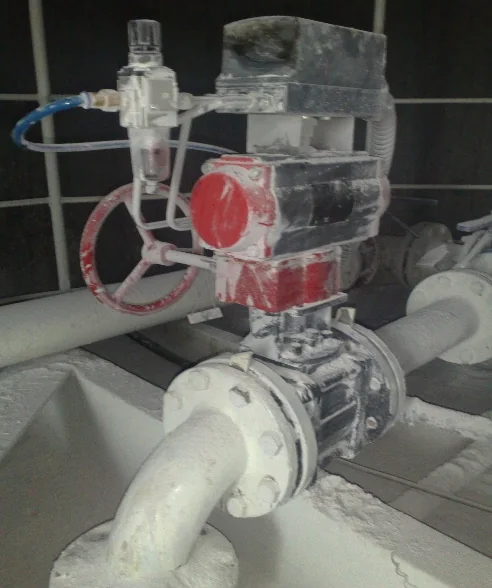
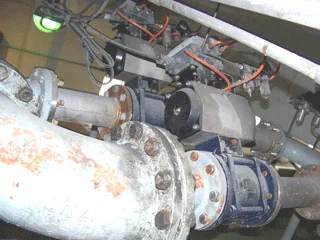
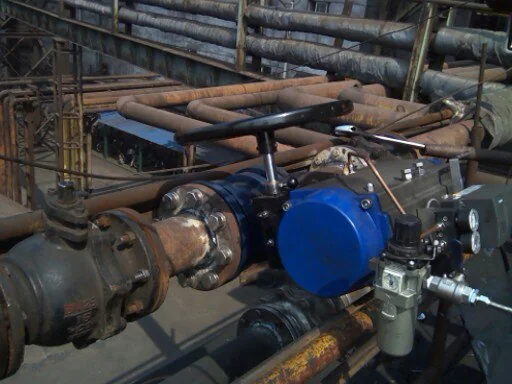
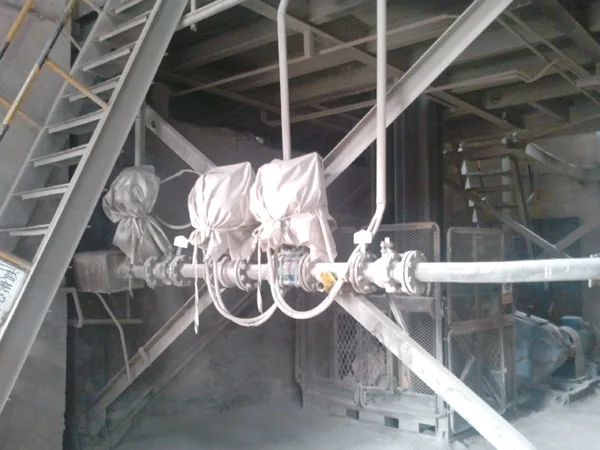
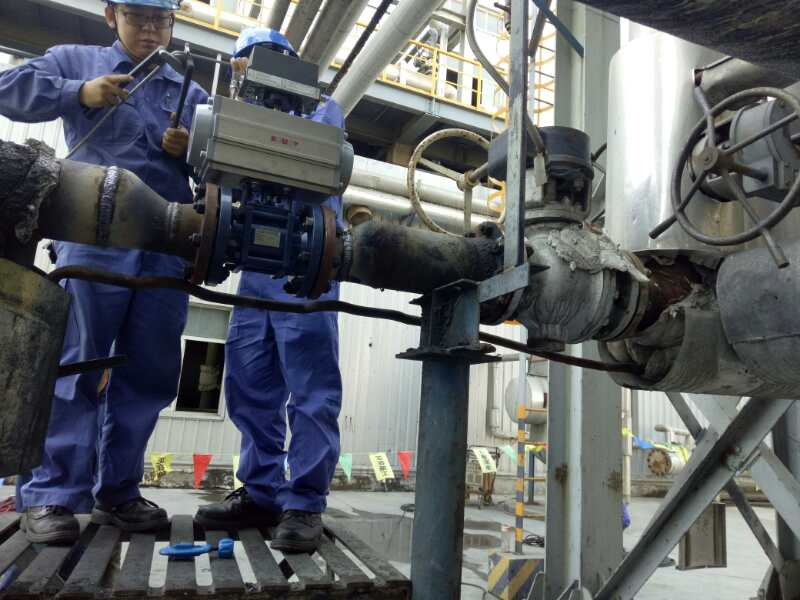
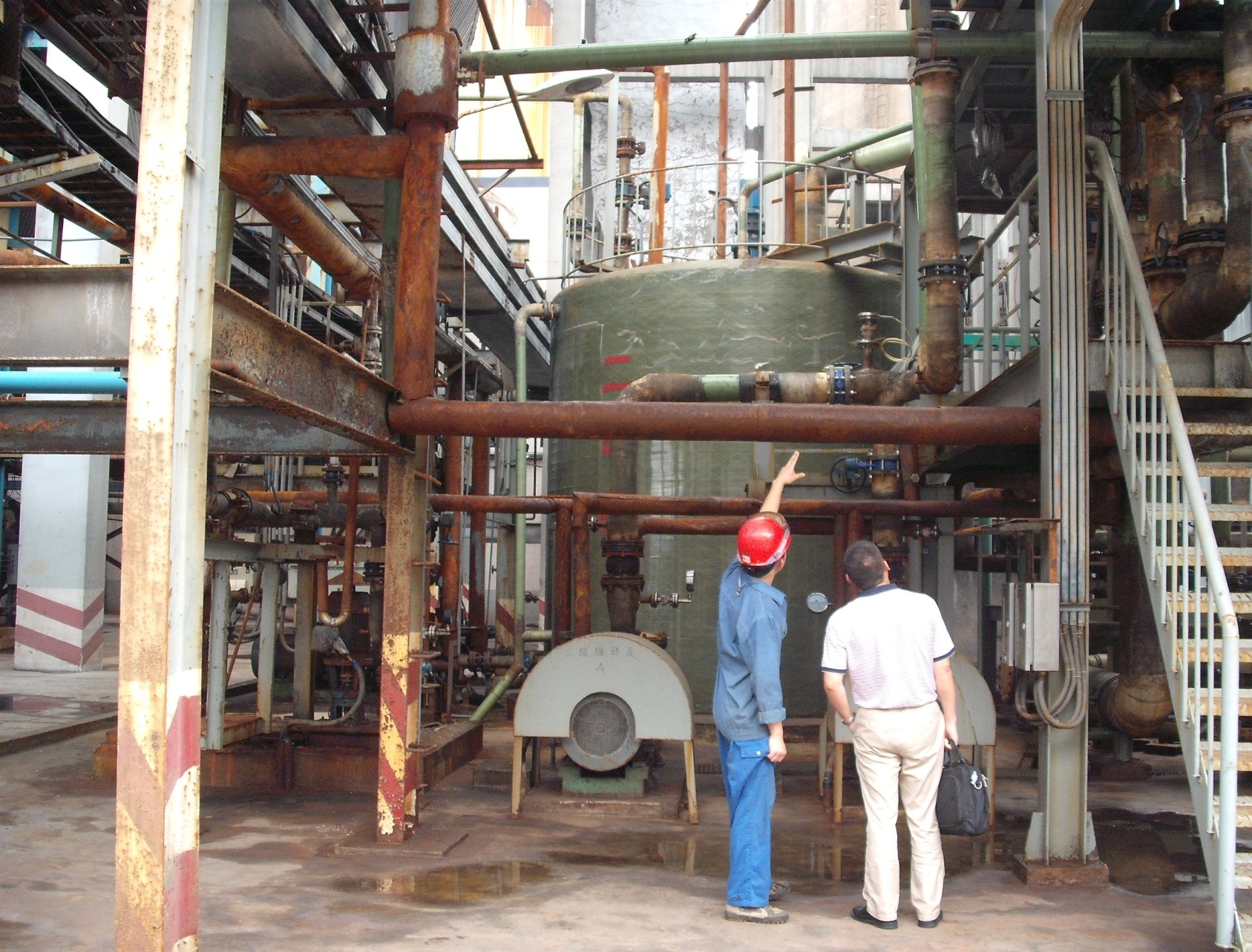
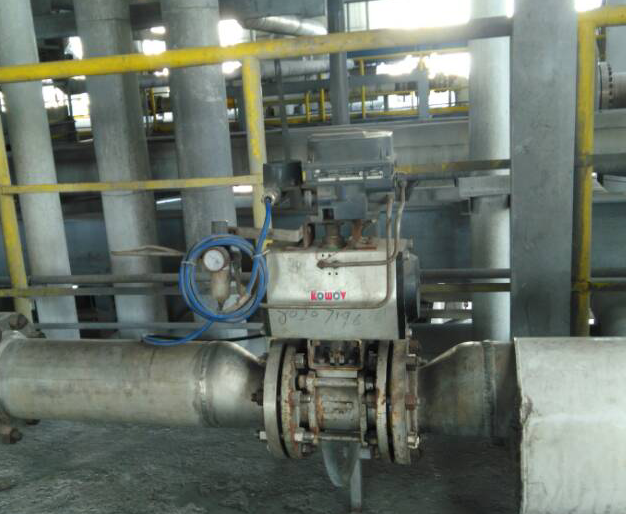
Pyrometallurgy: site photographs
Valve Installation Points
| No. | Valve Application | Process Medium |
|---|---|---|
| 1 | Absorber feed-slurry control and isolation | Limestone slurry |
| 2 | Limestone-slurry circulation control and isolation | Limestone slurry |
| 3 | Slurry-tank-to-storage-tank transfer control and isolation | Limestone slurry |
| 4 | Gypsum-hydrocyclone inlet-slurry control | Gypsum slurry |
| 5 | Absorber gypsum-slurry recirculation control | Gypsum slurry |
| 6 | Mill-filtrate flow control | Filtrate |
| 7 | Process-water make-up flow control | Process water |
Process Keywords
SDA · Rotary atomization · Spray drying · Lime hydration · Atomizer spraying · 50 μm droplets · Flue-gas absorption by atomized droplets
Operating Conditions
- Temperature: 70-90°C
- Pressure: 1.0 MPa
- Medium: Mature lime slurry
- Slurry concentration: 15-40%
Typical Application
360 m² sintering machine at Jiangsu Shagang Group Co., Ltd.
Commonly Used Products
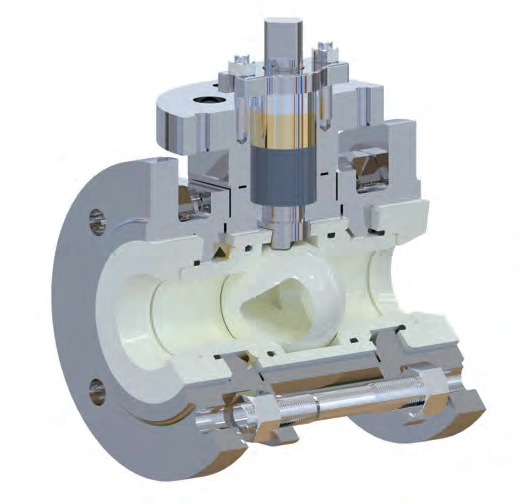
FCCV1
Standard Ceramic Ball Valve
The FCCV1 series is the standard model in the ceramic ball-valve range. It is designed for highly corrosive and severely abrasive service at temperatures up to 180°C and differential pressures up to 2.0 MPa
- Wide sealing surfaces and scraper-type valve seats provide reliable shutoff and extended service life
- The ball and valve-seat sealing surfaces are match-lapped to ensure tight sealing
- The stuffing box incorporates live loading that maintains a constant packing load even after substantial wear, extending packing service life
- The symmetrical valve design provides bidirectional sealing with no flow-direction restrictions
- Wide ceramic flange-sealing surfaces protect the metal flanges from erosion and corrosion by the process medium
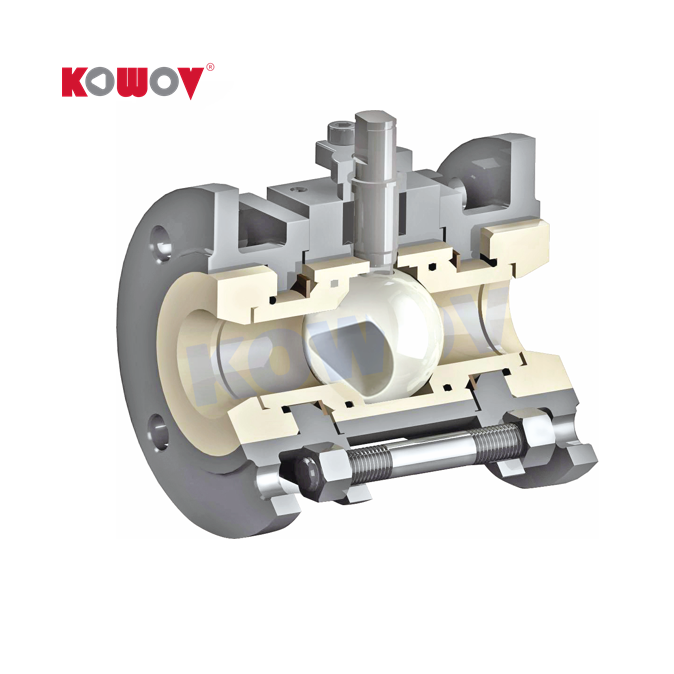
ELCV
Economical Ceramic Ball Valve
The ELCV uses essentially the same basic structural design as the FCCV1 but does not include a top mounting platform. Materials can be selected flexibly according to the operating conditions, providing a more economical ceramic-valve solution, although overall reliability is slightly lower than that of the FCCV1
| Parameter | Specification |
|---|---|
| Valve design | Floating-ball construction |
| Flange standards | ASME B16.5 / HG / DIN / JIS |
| Pressure rating | PN10-PN50 / ASME Class 150-300 |
| Operating temperature | −40°C to 180°C |
Contact Us
Talk to our team about your pyrometallurgy application
Discuss your application