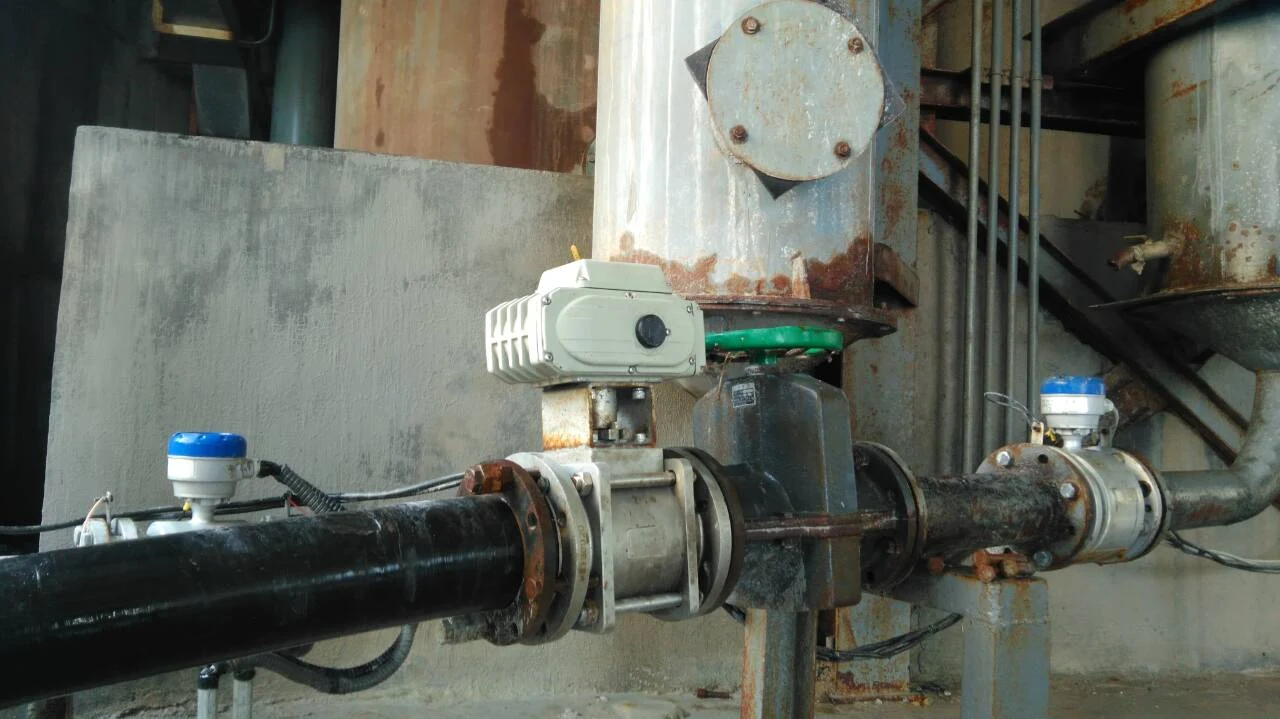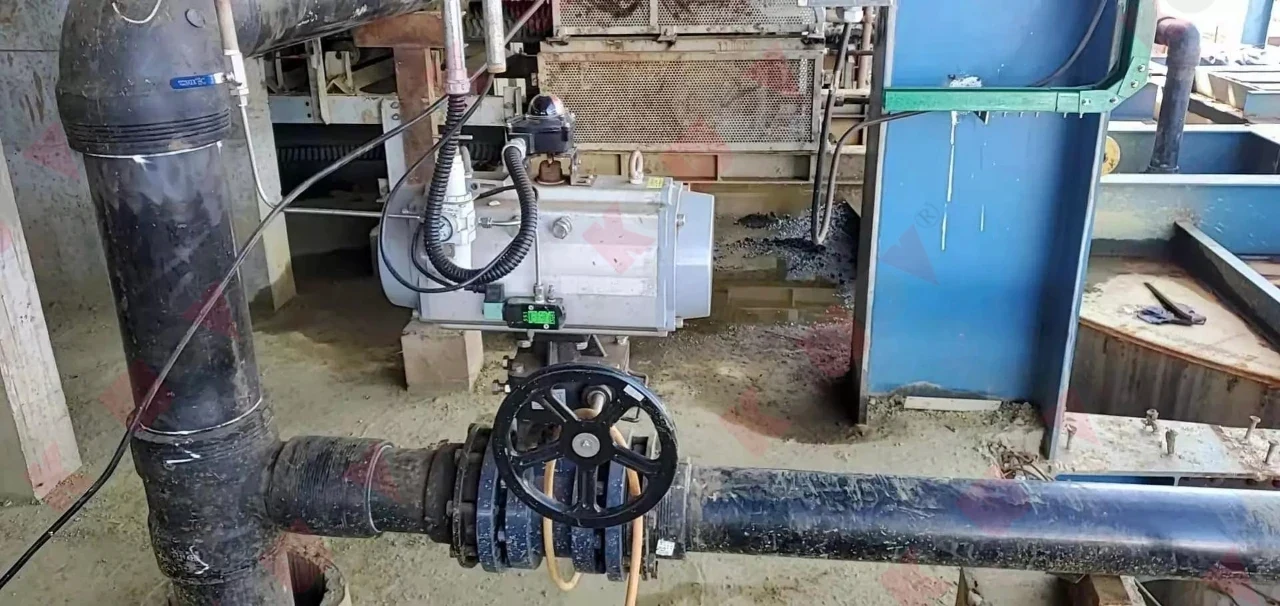
Ceramic Valve Solutions for Tailings Paste Backfill
Reliable isolation and flow control for high-solids tailings paste, thickener underflow and high-pressure underground backfill pipelines
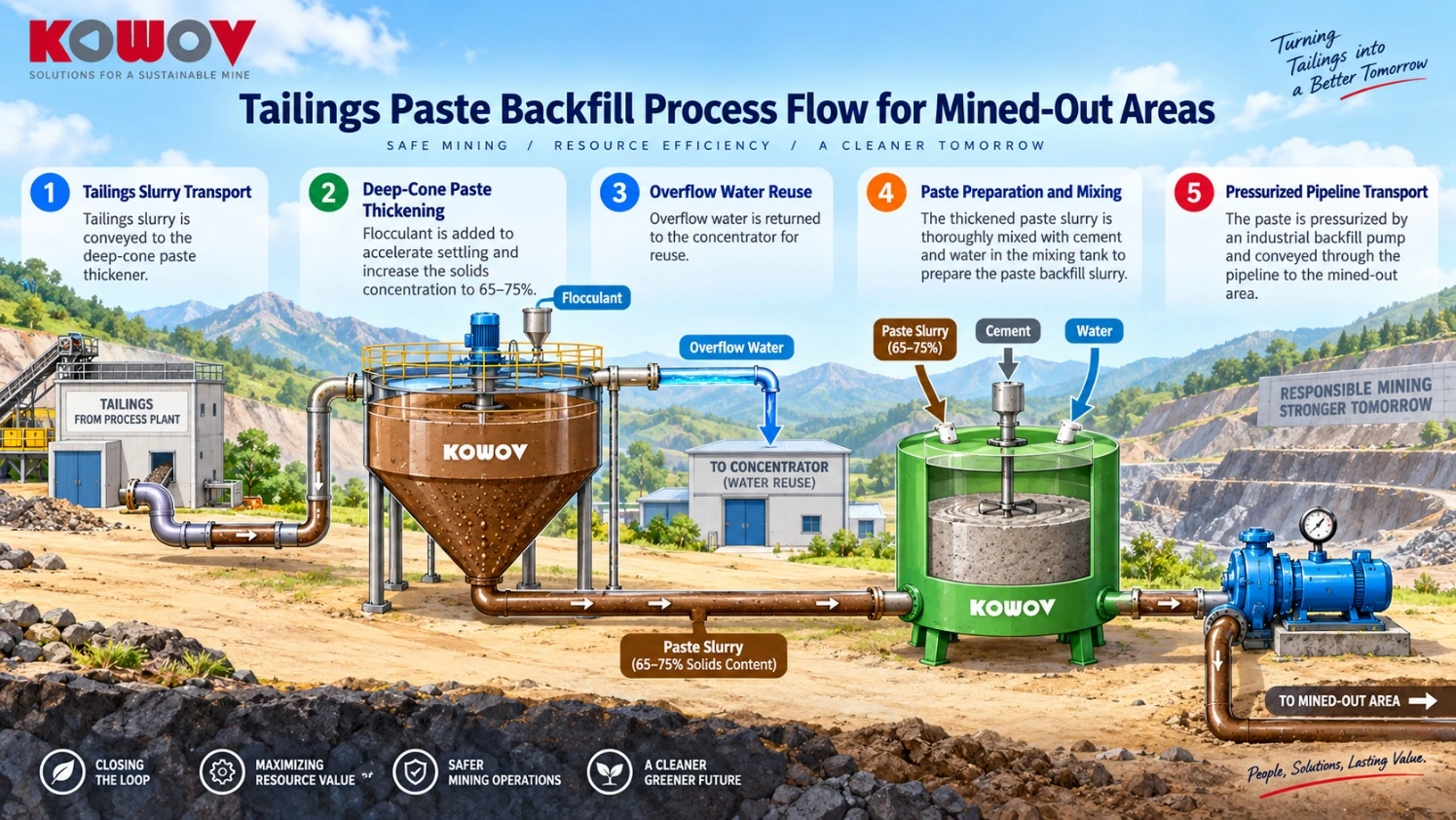
Tailings Backfill
Equipment: Tailings Backfill System / Complete Backfill System
Main Industries Involved: Nonferrous Metal Mining | Lithium Mining | Ferrous Metal Mining | Others…
Operating Conditions
The tailings backfill medium is a high-concentration paste slurry containing a large quantity of fine solid mineral particles. In some nonferrous hydrometallurgical applications, the medium may be acidic or alkaline and is highly abrasive due to continuous particle erosion. The slurry is pumped through pipelines, resulting in significant pressure fluctuations. Its high viscosity also makes it prone to crystallization, settling, valve sticking, and blockage. The process normally operates at ambient temperature without high-temperature conditions. The principal valve challenges are abrasion, corrosion, blockage, and crystallization/scaling, making ceramic valves particularly suitable for this severe service
| Parameter | Typical Value | Operating Characteristics |
|---|---|---|
| Slurry solids content | 65%-75% | Typical paste-backfill range; up to 80% |
| Operating temperature | Ambient, 10-45°C | No high-temperature service |
| Operating pressure | Atmospheric pressure to 8.0 MPa | Low-pressure dense underflow; high pressure and substantial pressure fluctuations at the backfill-pump outlet |
| pH | 2-12 | Nonferrous hydrometallurgical tailings tend to be acidic; iron-ore and coal tailings are generally mildly alkaline |
| Solid particles | Fine tailings particles, maximum size ≤5 mm | Particles continuously erode valve flow-path components |
Special Operating Conditions
High Slurry Solids Content and Severe Particle Erosion
Tailings paste typically contains 65%-75% solids, including a large quantity of fine mineral particles. Under high-velocity flow, these particles continuously erode the valve trim, valve cavity, and pipe walls. Conventional metal trim wears rapidly, resulting in frequent valve replacement
Wide pH Range with Both Acidic and Alkaline Corrosion
Nonferrous-metal tailings may have a pH range of 2-12. The medium may include acidic leach tailings or alkaline cement-containing slurry. Alternating acidic and alkaline conditions make metal valves vulnerable to pitting and electrochemical corrosion
High Paste Viscosity with a Strong Tendency to Crystallize, Settle, and Cause Valve Sticking
Paste slurry is highly viscous. Cementitious materials and mineral salts may crystallize and adhere inside the valve cavity and on sealing surfaces, causing the valve trim to stick, restricting the flow passage, and ultimately preventing reliable opening and closing
Significant Pump-Induced Pressure Pulsations and Severe Impact Loading
Paste backfill is pumped through the pipeline at operating pressures ranging from atmospheric pressure to 8 MPa. Pressure fluctuations and impact loads are significant, placing stringent requirements on the valve body’s strength and resistance to particle impact
Susceptibility to Settling and Buildup, Requiring an Anti-Clogging Design
During shutdowns, solid particles can rapidly settle and accumulate in valve-cavity dead zones. Conventional valve flow passages contain retention areas that are prone to blockage. A smooth, unobstructed flow path with no dead cavities is therefore required
Five Major Process Pain Points in Tailings Backfill
Severe Erosion from High-Solids Slurry
Tailings paste contains 65%-75% solids. Large quantities of fine tailings particles continuously erode the valve trim and sealing surfaces at high velocity. Metal trim wears rapidly, causing frequent valve failures, substantial spare-parts consumption, and persistently high maintenance costs
Corrosion Across a Wide pH Range
Nonferrous-metal tailings cover a pH range of 2-12. Alternating acidic tailings and alkaline cement-containing slurry can cause pitting and electrochemical corrosion in stainless steel and alloy materials. Sealing surfaces and valve trim deteriorate rapidly, significantly shortening valve service life
Crystallization and Sticking of High-Viscosity Paste
Highly viscous paste containing mineral salts and cementitious materials can readily crystallize and adhere to the flow passage and sealing surfaces. This causes valve sticking, restricts the flow path, impairs valve operation, reduces control accuracy, and disrupts stable material delivery within the backfill system
Particle Buildup Causing Blockage and Shutdowns
During intermittent shutdowns, solid tailings particles rapidly settle and accumulate in valve-cavity dead zones, forming hard deposits that obstruct the flow passage. Conventional control valves contain numerous dead zones and are prone to blockage, resulting in unplanned shutdowns and disrupting continuous backfill operations
Pressure Pulsations and Impact from Piston Pumps
The discharge pressure of piston pumps used for paste backfill is typically 8 MPa. Significant pressure pulsations and impact loads act continuously on the valve body and sealing components, potentially causing seal leakage and component fatigue failure. This imposes stringent requirements on the valve’s impact resistance and sealing reliability
Ceramic Valves: Precisely Addressing the Five Major Process Pain Points in Tailings Paste Backfill
Corrosion Across a Wide pH Range
Exceptional Corrosion Resistance: Ceramic materials offer outstanding chemical stability and withstand fluctuations across a broad pH range of 2-12. They are compatible with both acidic tailings and alkaline cementitious paste, resisting alternating acid-alkali corrosion, preventing deterioration of the valve trim and sealing surfaces, and eliminating the risk of media leakage
Erosion from High-Solids Slurry
Superior Wear Resistance: Oxide ceramics offer exceptional hardness and far greater resistance to erosion from tailings particles than alloy metals. Under paste-slurry conditions with 65%-75% solids, ceramic valves significantly extend service life, reduce spare-parts replacement frequency, and lower backfill-system maintenance costs
Crystallization and Valve Sticking Caused by Paste Materials
Smooth, Anti-Scaling Surfaces: Dense, smooth ceramic surfaces resist the adhesion of cementitious materials and crystallized mineral salts. This minimizes buildup inside the valve cavity and prevents valve-trim sticking, ensuring responsive valve operation and maintaining precise flow control in the backfill pipeline
Particle Buildup Causing Blockage and Shutdowns
Optimized, Clog-Resistant Flow Passage: A straight-through, dead-zone-free flow-path design prevents material retention and tailings sediment buildup within the ceramic valve. Solid particles are less likely to accumulate during shutdowns, effectively preventing blockage and material interruption while ensuring stable, continuous backfill operations
Pressure Pulsations and Impact from Piston Pumps
Reliable Resistance to Pulsating Loads: Ceramic components provide excellent fatigue resistance and are suitable for the pulsating pressure conditions of piston pumps operating from atmospheric pressure up to 8 MPa. They withstand alternating pressure loads, minimize sealing-surface fatigue damage, and improve overall sealing reliability in high-pressure paste-conveying service
Case Study
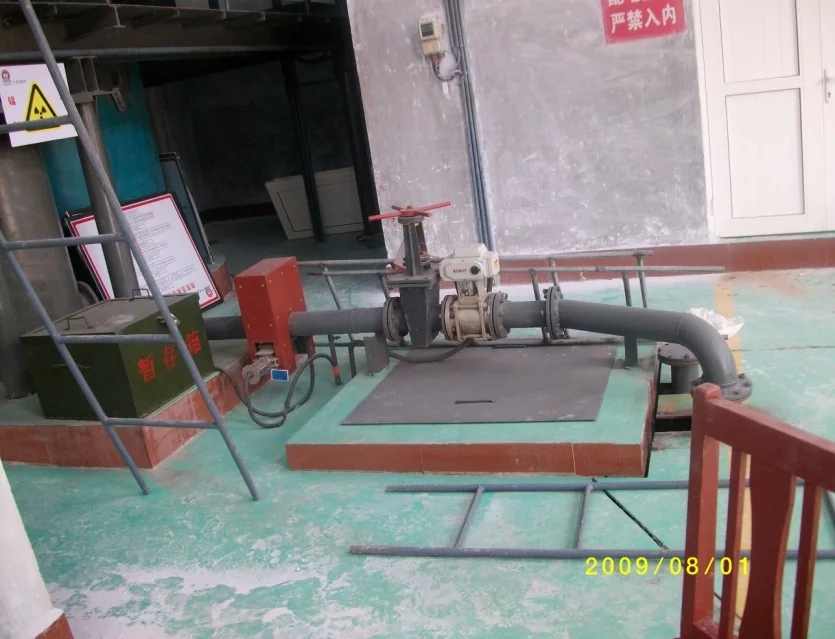
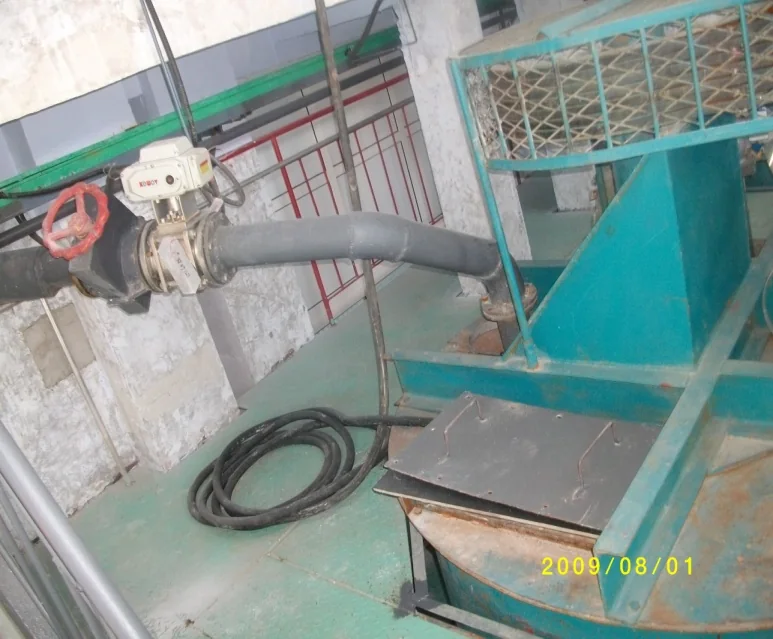
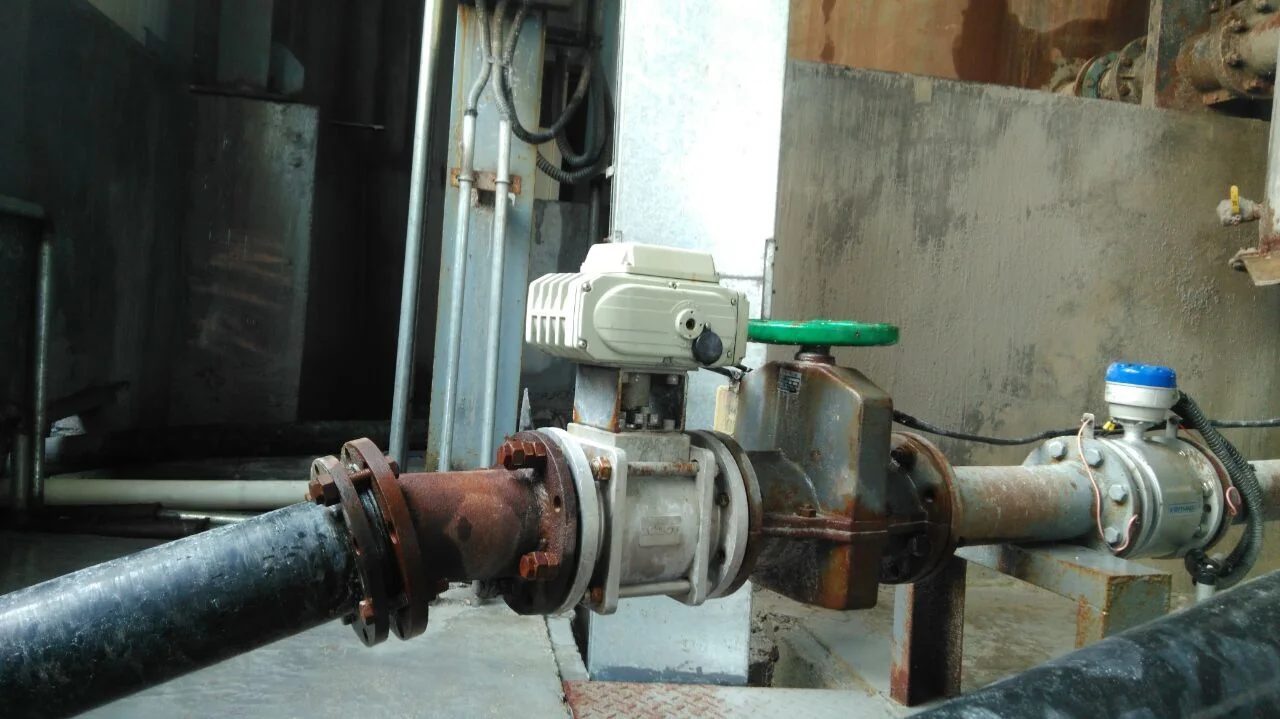
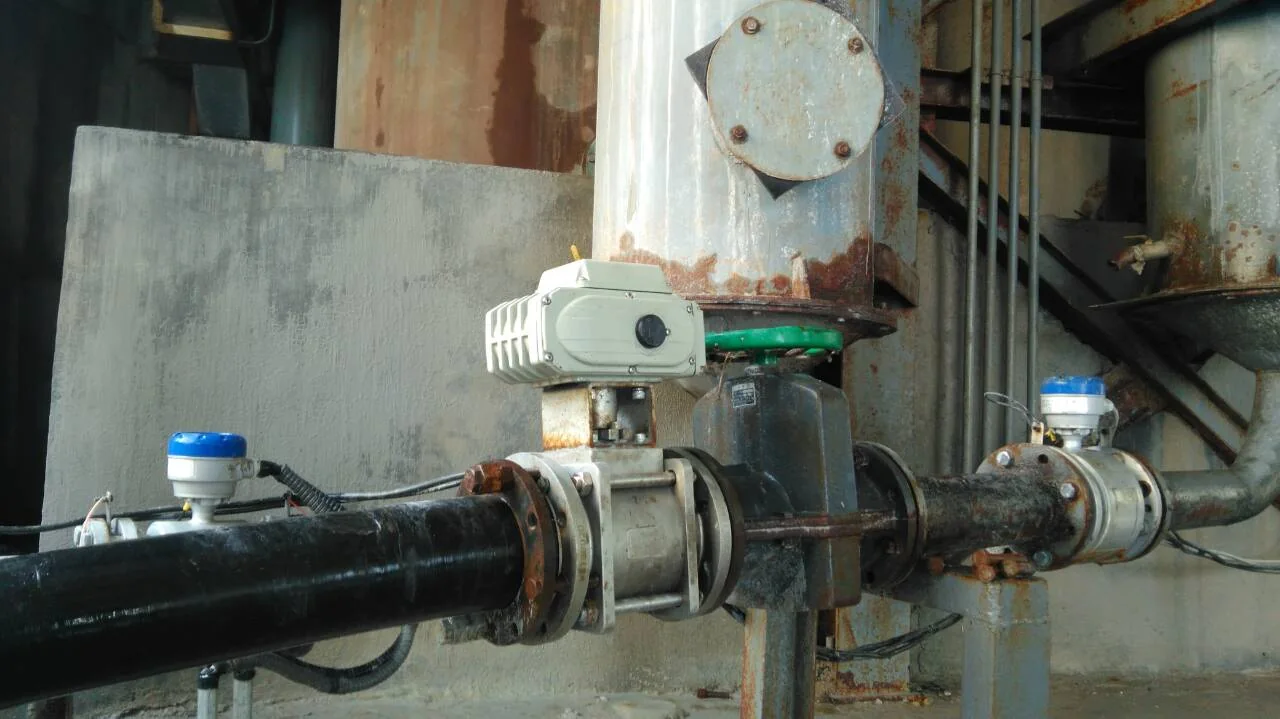
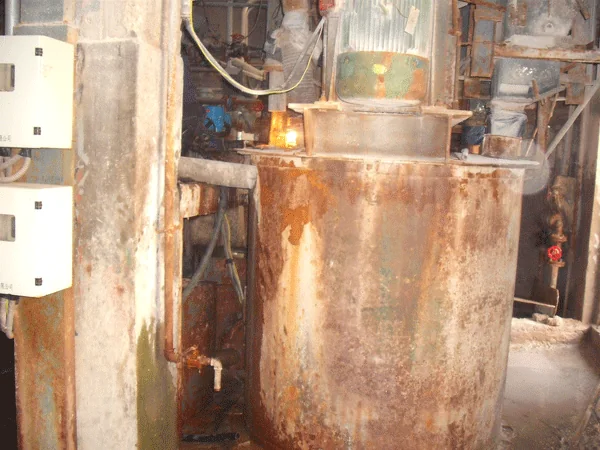
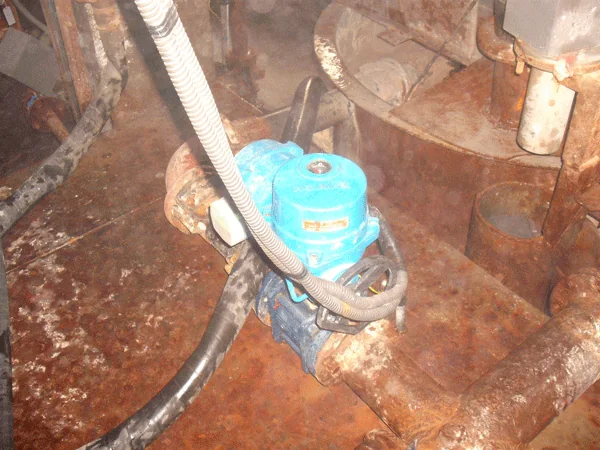
Tailings Paste Backfill: site photographs
End Users
| End User | Application | Valve Supplied |
|---|---|---|
| Shandong Iron & Steel Group, Laiwu Steel Lunan Mining Co., Ltd. | Paste backfill | DN80 ceramic control valve |
| Anhui Longqiao Mining Co., Ltd. | Tailings backfill | DN150 ceramic control valve |
| Jiangxi Pansen New Materials Co., Ltd. | Slurry conveying system | DN50 ceramic ball valve |
| Anhui Tongling Tianmashan Gold Mining Co., Ltd. | Paste backfill | DN100 ceramic control valve |
| Qingdao Sanyi Metallurgical Materials Co., Ltd. | Slurry conveying system | DN125 ceramic on/off valve |
| Zhaojin Mining, Jinchiling Gold Mine | Tailings backfill | DN80 ceramic control valve |
| Tonggang Group Dunhua Tadong Mining Co., Ltd. | Slurry conveying system | DN50/DN80 ceramic control valves |
| Shandong Gold Mining Co., Ltd., Jiaojia Gold Mine | Tailings backfill | DN100/DN150 ceramic control valves |
| Jindi Molybdenum Co., Ltd., Abag Banner, Inner Mongolia | Tailings backfill | DN65/DN125 ceramic control valves |
| Luzhong Metallurgical Mining Group Co., Ltd. | Tailings backfill | DN100 ceramic control valve |
At the project site, an electrically actuated ceramic ball valve is used to transfer 750 tonnes of fine sand mixed with water at a solids concentration of 60%-72%. The mixture flows by gravity from the sand silo into the mixer, where cement and additional water are added. After mixing, a ceramic control valve installed at the outlet regulates the discharge of approximately 80 m³ of paste, which is then conveyed to the underground backfill zone at a depth of 300 metres
- Valve: DN100 electrically actuated ceramic control ball valve
- Commissioned: January 2011
- Actual Service Life: Control valve: over 8 years
Commonly Used Products
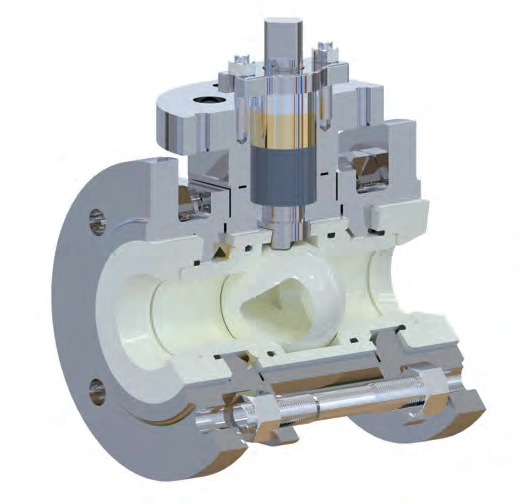
FCCV1
Standard Ceramic Ball Valve
The FCCV1 series is the standard model in the ceramic ball-valve range. It is designed for highly corrosive and severely abrasive service at temperatures up to 180°C and differential pressures up to 2.0 MPa
- Wide sealing surfaces and scraper-type valve seats provide reliable shutoff and extended service life
- The ball and valve-seat sealing surfaces are match-lapped to ensure tight sealing
- The stuffing box incorporates live loading that maintains a constant packing load even after substantial wear, extending packing service life
- The symmetrical valve design provides bidirectional sealing with no flow-direction restrictions
- Wide ceramic flange-sealing surfaces protect the metal flanges from erosion and corrosion by the process medium
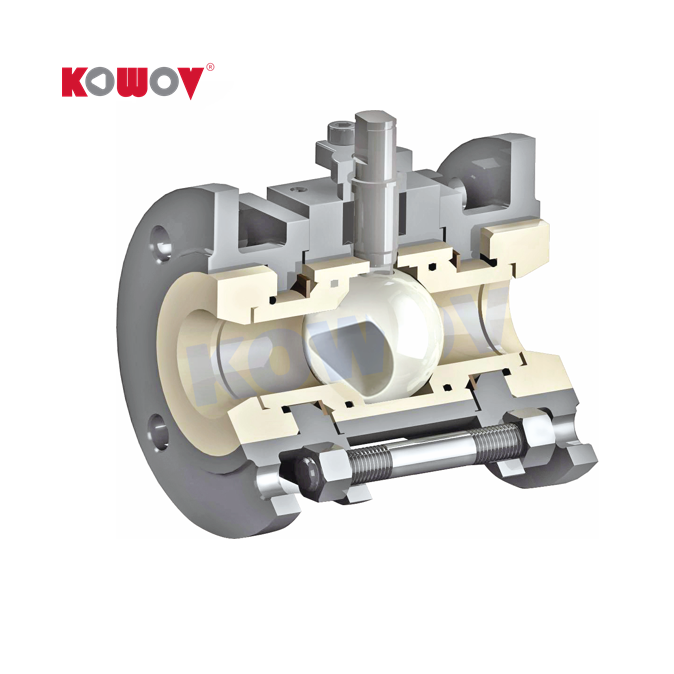
ELCV
Economical Ceramic Ball Valve
The ELCV uses essentially the same basic structural design as the FCCV1 but does not include a top mounting platform. Materials can be selected flexibly according to the operating conditions, providing a more economical ceramic-valve solution, although overall reliability is slightly lower than that of the FCCV1
| Parameter | Specification |
|---|---|
| Valve design | Floating-ball construction |
| Flange standards | ASME B16.5 / HG / DIN / JIS |
| Pressure rating | PN10-PN50 / ASME Class 150-300 |
| Operating temperature | −40°C to 180°C |
Contact Us
Talk to our team about your tailings paste backfill application
Discuss your application