Ceramic Valve Solutions for Hydrometallurgy
Reliable valve solutions for abrasive ore slurry, corrosive leach solutions and crystallizing media in hydrometallurgical processing
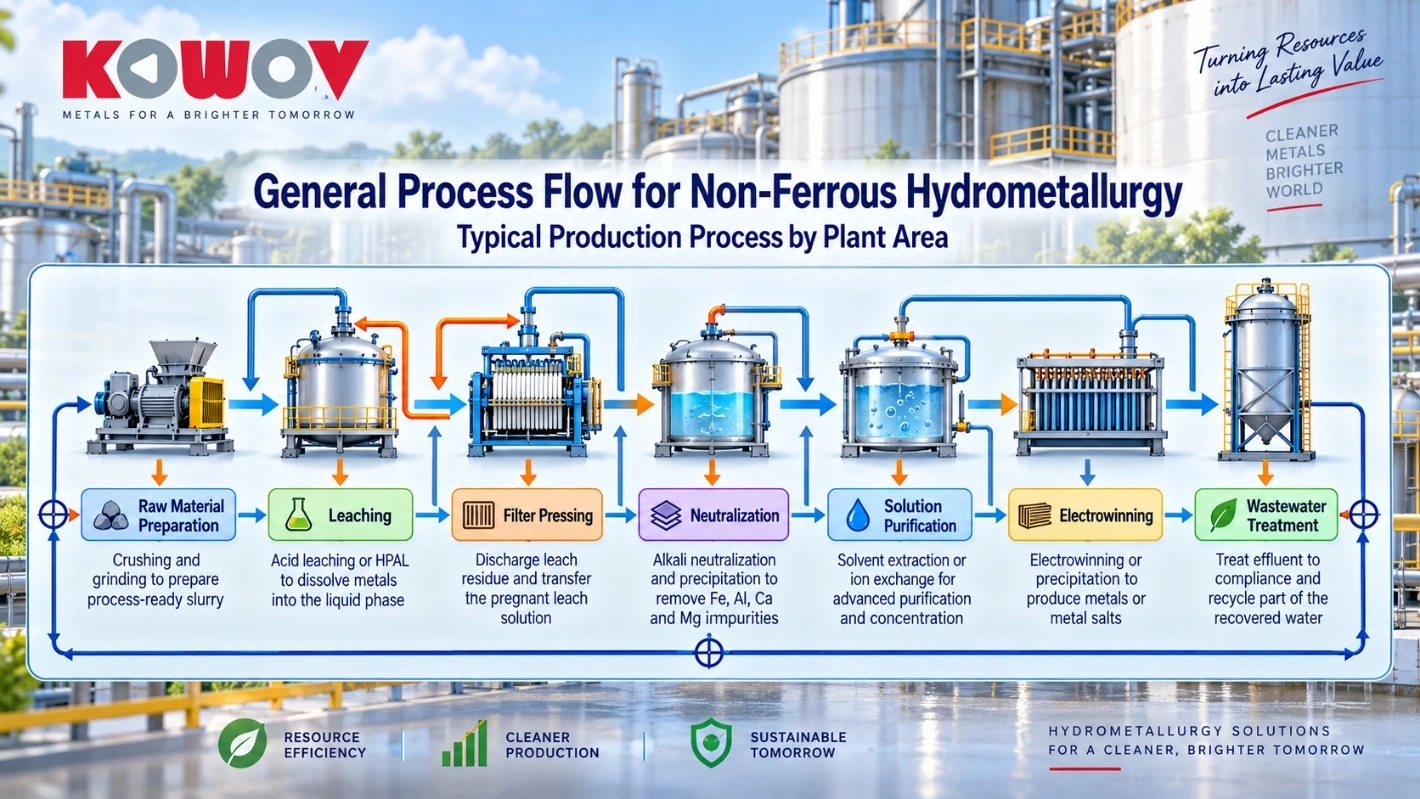
Wear-resistant, corrosion-resistant and anti-scaling ceramic valve solutions for leaching, neutralization, purification, precipitation and solid-liquid separation
Non-Ferrous Hydrometallurgy
Solution Purification · Neutralization Plant · Purification and Pressure Filtration Systems
Key Industries: Nickel & Cobalt Metallurgy | New Energy & Lithium Metallurgy | Copper & Zinc Metallurgy | Other Applications
Operating Conditions
Hydrometallurgical processes mainly involve ore leaching, solution purification, metal precipitation, and solid-liquid separation. Typical operating parameters include slurry concentrations of approximately 20%-45%, reaction temperatures from ambient to 95°C, operating pressures from atmospheric pressure to 0.6 MPa, and pH conditions ranging from strongly acidic to strongly alkaline
The media often contain mineral particles, oxides, leaching agents, and reaction products. In addition to being highly corrosive, they may also contain a significant proportion of solid particles. Therefore, valves, pumps, pipelines, seals, and other wetted components must provide excellent corrosion resistance, erosion resistance, and resistance to scaling and blockage
| Parameter | Operating Condition |
|---|---|
| Core processes | Ore leaching, solution purification, metal precipitation, and solid-liquid separation, including limestone slurry, lime milk, and acidic-slurry control |
| Slurry concentration | 20%-45%; limestone slurry/lime milk: 10%-30%; acidic slurry solids content: 5%-40% |
| Reaction temperature | Ambient to 95°C |
| Operating pressure | Atmospheric pressure to 0.6 MPa |
| pH range | Acidic slurry: pH 0.5-4; alkaline lime milk/limestone slurry: pH 8-13; neutral salt solutions also present, with significant process fluctuations |
| Medium composition | Mineral particles, oxides, various leaching agents, and reaction products; limestone slurry, lime milk, and acidic slurry coexist within the process |
| Medium characteristics | Severe corrosion combined with particle erosion; lime milk and limestone slurry readily scale and crystallize; acidic slurries are highly corrosive and abrasive; all are prone to sedimentation and blockage |
Special Operating Conditions
Extremely Wide pH Range and Complex Corrosion Mechanisms
The same process may contain highly acidic slurry (pH 0.5-4), alkaline lime milk or limestone slurry (pH 8-13), and neutral salt solutions. Frequent changes in medium composition and operating parameters expose conventional metal valves to severe pitting and intergranular corrosion
Solid-Liquid Two-Phase Media and Severe Erosive Wear
Mineral slurry, limestone slurry, and acidic slurry contain solid particles, with solids content ranging from 5% to 45%. High-velocity particles continuously erode the valve seat and sealing surfaces. Combined with corrosion, this rapidly damages conventional metal trim and shortens valve life
Crystallization and Scaling Cause Valve Seizure and Blockage
Lime milk and limestone slurry contain high concentrations of calcium ions and readily precipitate and crystallize during operation. Deposits adhere to the flow passage and sealing surfaces, causing valve sticking, flow-path restriction, and eventual valve failure
Multiple Media and Significant Process Fluctuations
Slurry concentration, temperature, and pressure vary dynamically with production conditions. A single system may alternate among acidic slurry, lime milk, limestone slurry, and other media, placing demanding requirements on valve adaptability
High Sedimentation Risk and Strict Anti-Blockage Requirements
Solid particles readily settle in valve cavities and dead zones. Conventional control valves often contain stagnant areas where solids accumulate, resulting in blockage. The valve therefore requires a smooth, unobstructed flow path with no dead cavities
Five Major Process Challenges in Hydrometallurgy
Alternating Acid-Alkali Corrosion
Severe pH fluctuations and repeated switching between acidic slurry and alkaline lime milk rapidly cause pitting corrosion of stainless steel and alloy components. Valve sealing surfaces and trim deteriorate quickly, substantially shortening service life
Erosive Wear from Solid Particles
Mineral slurry contains 5%-45% solids. High-velocity hard particles continuously erode the valve ball and seat sealing surfaces, causing severe metallic-surface damage, frequent shutdowns for replacement, and persistently high maintenance costs
Crystallization and Scaling
Calcium-rich media readily precipitate and crystallize as temperature and pressure change. Deposits adhere to the flow passage and sealing surfaces, causing valve sticking, actuator failure, loss of control accuracy, and process instability
Particle Sedimentation, Blockage and Shutdowns
Solid particles settle easily in valve cavities and dead zones, forming compact deposits that block the flow path. Conventional control valves often contain multiple stagnant areas and are highly prone to blockage, leading to unexpected shutdowns and seriously affecting continuous production
Difficult Valve Selection for Multiple Media
Operating conditions are complex, with frequent switching among acidic slurry, alkaline slurry, mineral slurry, and other media. Different services require different valve materials, resulting in complicated spare-parts management, excessive inventory, higher procurement costs, and more difficult equipment maintenance
Ceramic Valves Precisely Address Five Major Process Challenges
Alternating Acid-Alkali Corrosion
Exceptional corrosion resistance: Ceramic materials offer outstanding chemical stability and remain unaffected by substantial pH fluctuations. They withstand acidic, alkaline, and saline media, addressing corrosion at its source and eliminating the risk of process leakage
Erosive Wear from Solid Particles
Superior wear resistance: Alumina ceramic is extremely hard, with hardness surpassed only by diamond. Its resistance to particle erosion is more than ten times that of metal, significantly extending valve service life and reducing maintenance and spare-parts replacement costs
Crystallization and Scaling
Smooth, anti-scaling surfaces: The dense, smooth ceramic surface resists the adhesion of crystals and deposits, effectively preventing valve sticking and flow-path blockage while maintaining stable, accurate flow control
Slurry Sedimentation and Blockage
Optimized anti-blockage flow path: A straight-through, cavity-free flow-path design prevents material from hanging up or accumulating on ceramic components. This keeps high-concentration slurry flowing freely and eliminates valve seizure and control failure
Difficult Valve Selection for Multiple Media
Broad material compatibility: A single ceramic material can handle acidic, alkaline, and particle-laden slurry services. This simplifies valve selection, reduces spare-parts categories, and substantially lowers inventory and management costs
Case Study
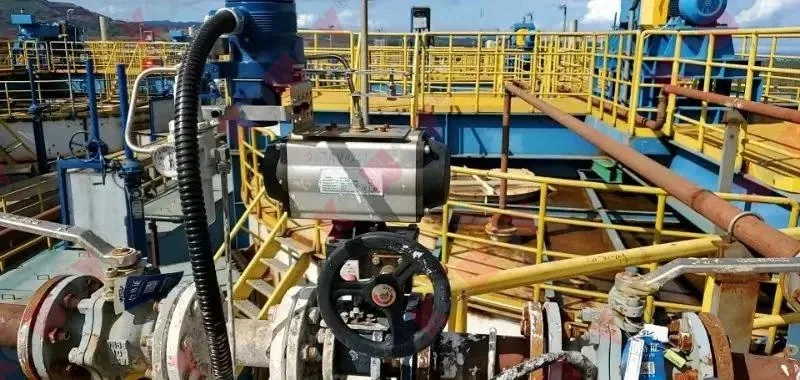
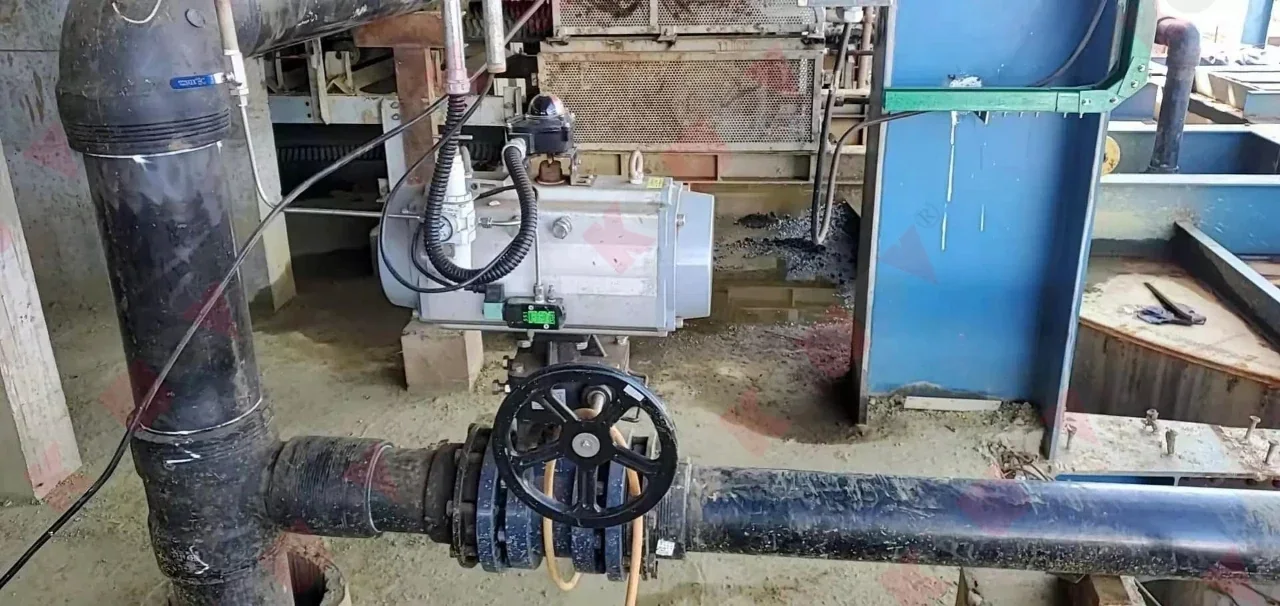
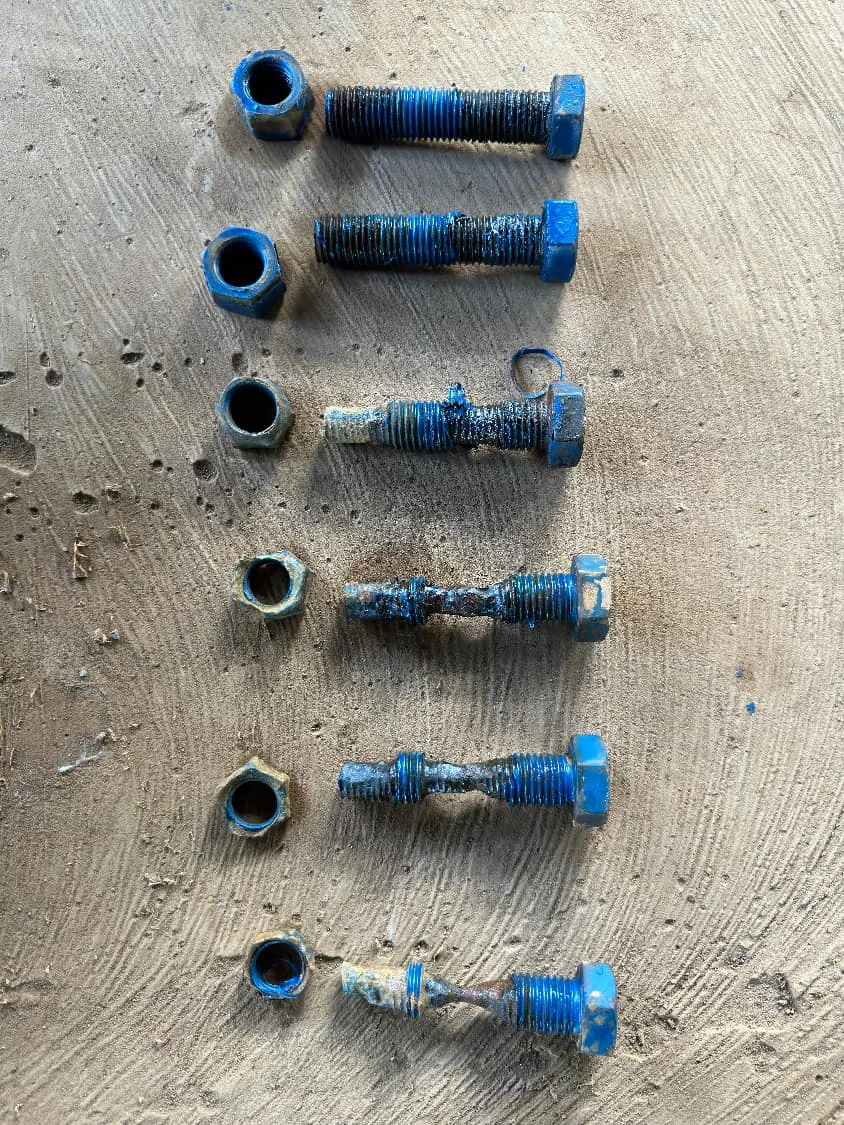
End Users
- Zhejiang Huayou Cobalt Co., Ltd., China, since 2021
- Ningbo Lygend Resources & Technology Co., Ltd., China, since 2020
- Xinjiang Kunlun Landrill Lithium Co., Ltd., China, since 2024
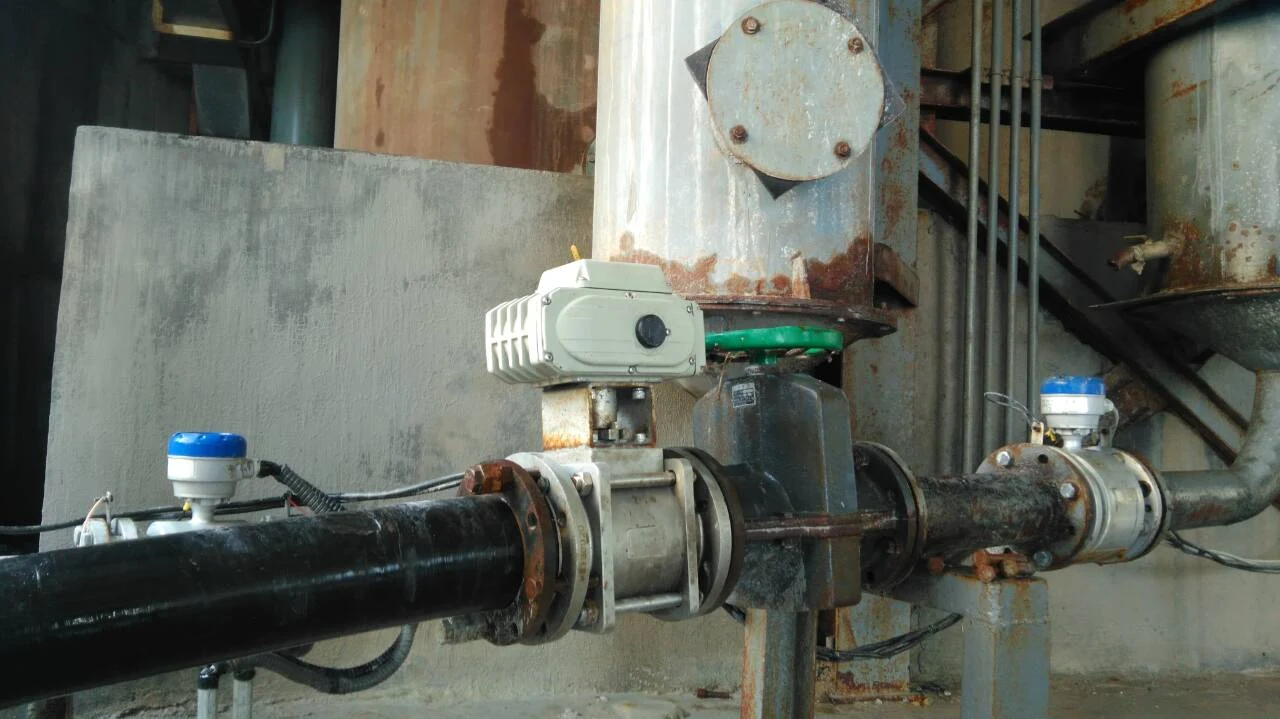
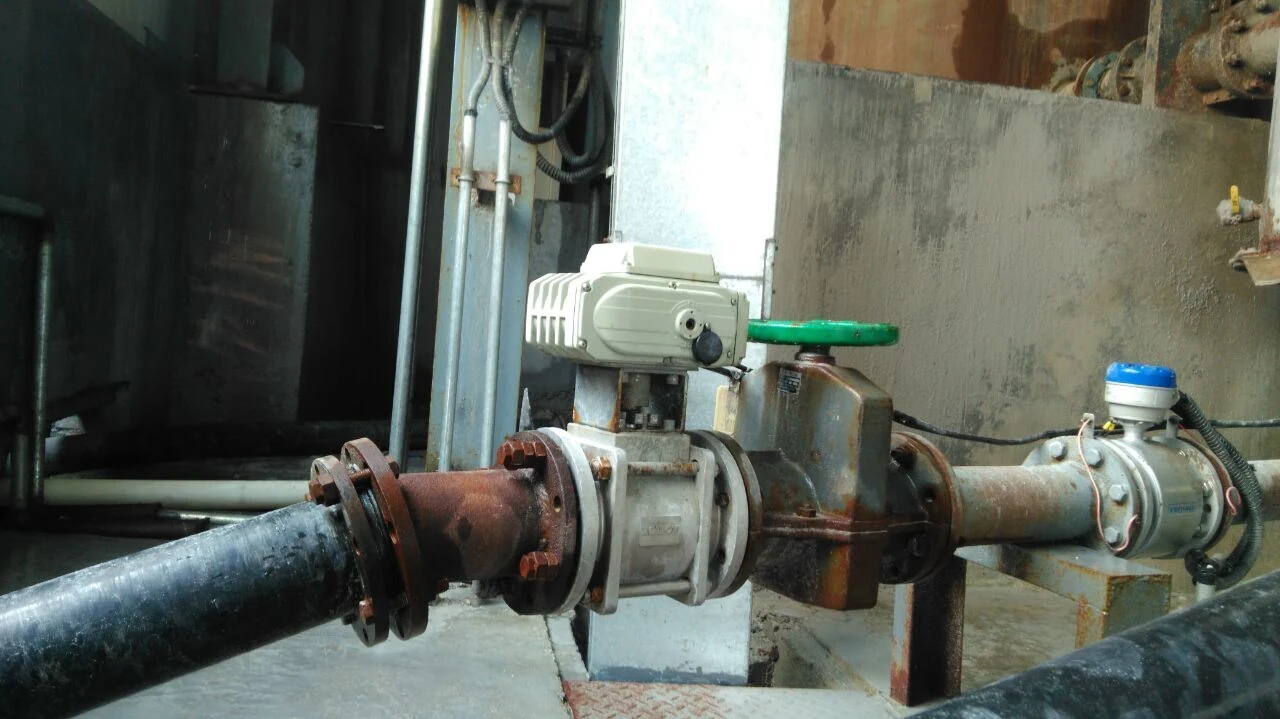
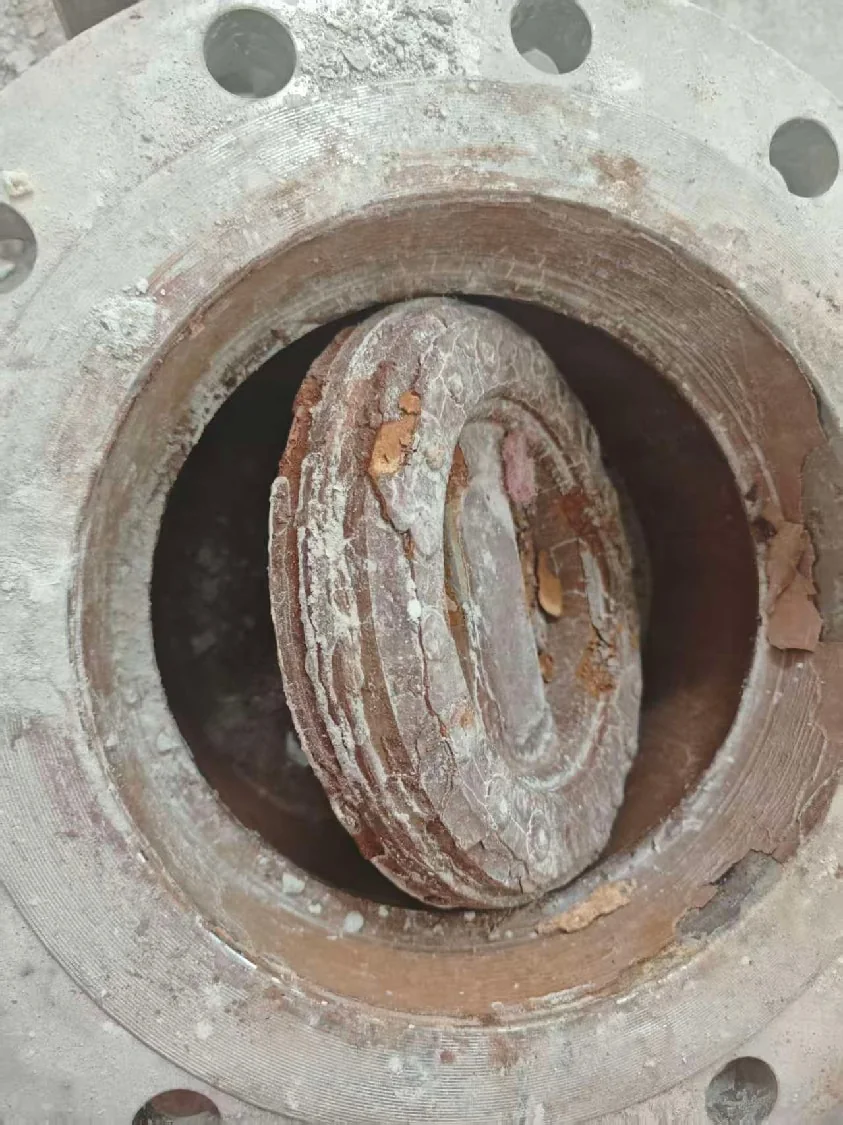
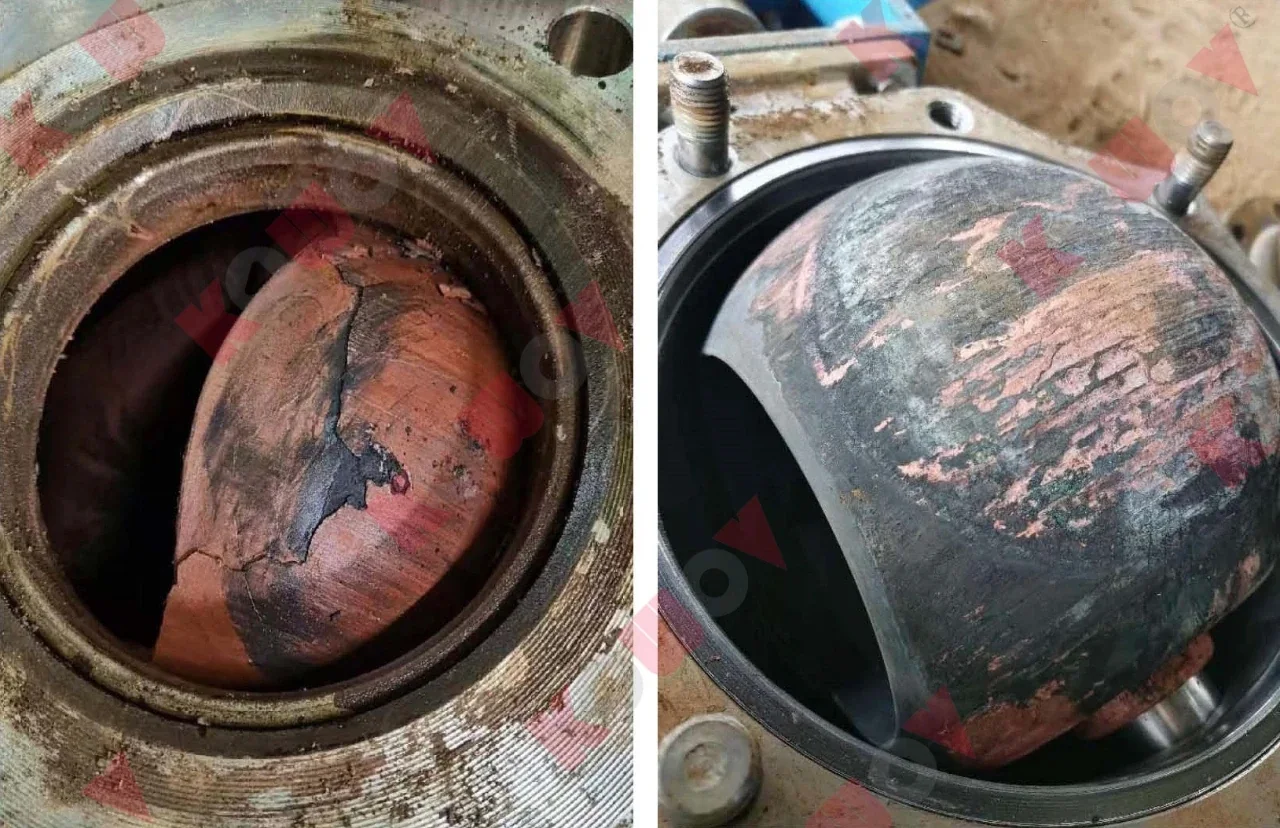
In a hydrometallurgical project, the customer initially selected economical metal hard-seated ball valves for the tailings-neutralization system to control investment costs. However, under continuous erosion from highly corrosive mineral slurry, these valves failed in less than two months due to severe erosion and coating delamination. Frequent internal leakage seriously affected production stability and created safety risks
After comparing available solutions, the project upgraded to KOWOV fully ceramic-lined ball valves. With excellent erosion and corrosion resistance, the ceramic valves operated continuously without failure for up to 60 months, with no quality complaints
The clear performance comparison demonstrated that although ceramic valves require a higher initial investment, their exceptionally long service life and very low maintenance requirements provide a significantly lower total cost of ownership
The customer ultimately decided to replace the valves throughout the system and has continued purchasing more than 200 KOWOV ceramic valves. Service life has increased by over 10 times, substantially reducing long-term operating costs while improving production efficiency and plant safety
Conclusion
Actual service life: Control valves ≥5 years; on/off valves ≥8 years
Commonly Used Products
FCCV1
Standard Ceramic Ball Valve
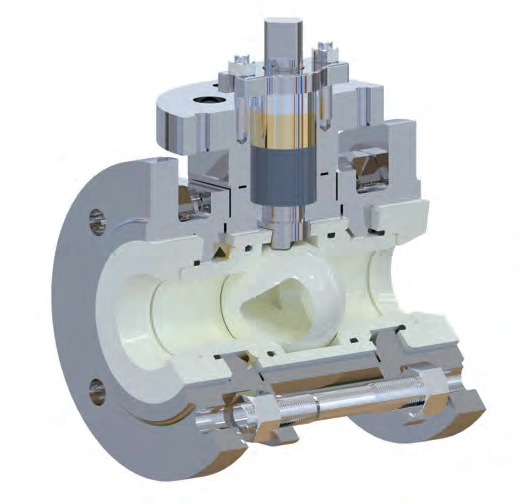
The FCCV1 series is the standard model in the ceramic ball-valve range. It is designed for highly corrosive and severely abrasive service at temperatures up to 180°C and differential pressures up to 2.0 MPa
- Wide sealing surfaces and scraper-type valve seats provide reliable shutoff and extended service life
- The ball and valve-seat sealing surfaces are match-lapped to ensure tight sealing
- The stuffing box incorporates live loading that maintains a constant packing load even after substantial wear, extending packing service life
- The symmetrical valve design provides bidirectional sealing with no flow-direction restrictions
- Wide ceramic flange-sealing surfaces protect the metal flanges from erosion and corrosion by the process medium
ELCV
Economical Ceramic Ball Valve
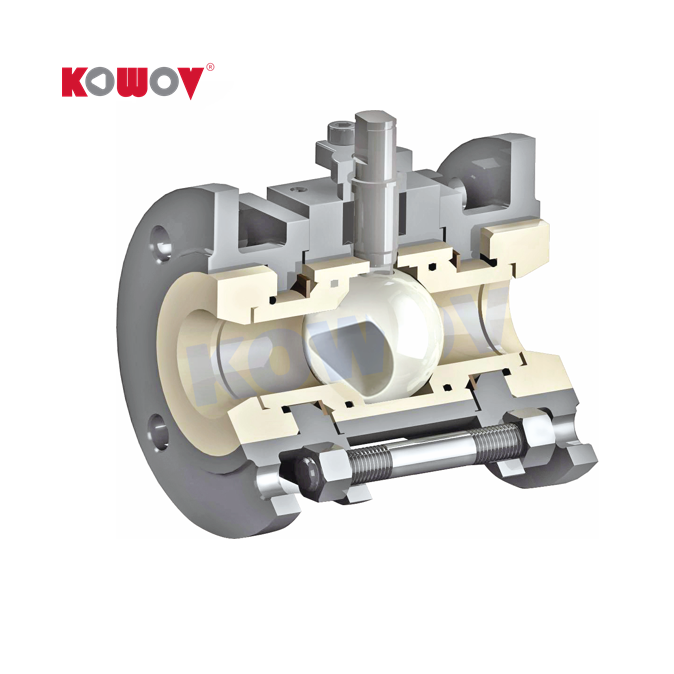
The ELCV uses essentially the same basic structural design as the FCCV1 but does not include a top mounting platform. Materials can be selected flexibly according to the operating conditions, providing a more economical ceramic-valve solution, although overall reliability is slightly lower than that of the FCCV1
| Parameter | Specification |
|---|---|
| Valve design | Floating-ball construction |
| Flange standards | ASME B16.5 / HG / DIN / JIS |
| Pressure rating | PN10-PN50 / ASME Class 150-300 |
| Operating temperature | −40°C to 180°C |
Contact Us
Talk to our team about your hydrometallurgy application
Discuss your application