Replacing a purification tower valve
A DN50 process-water duty brings corrosion, pressure class and sealing performance into one replacement decision
On this page
The first two valves were a trial. Six years later, the first trial valve was replaced. Between those points, inspections and additional orders turned a new supplier into an established option at the customer's purification tower.
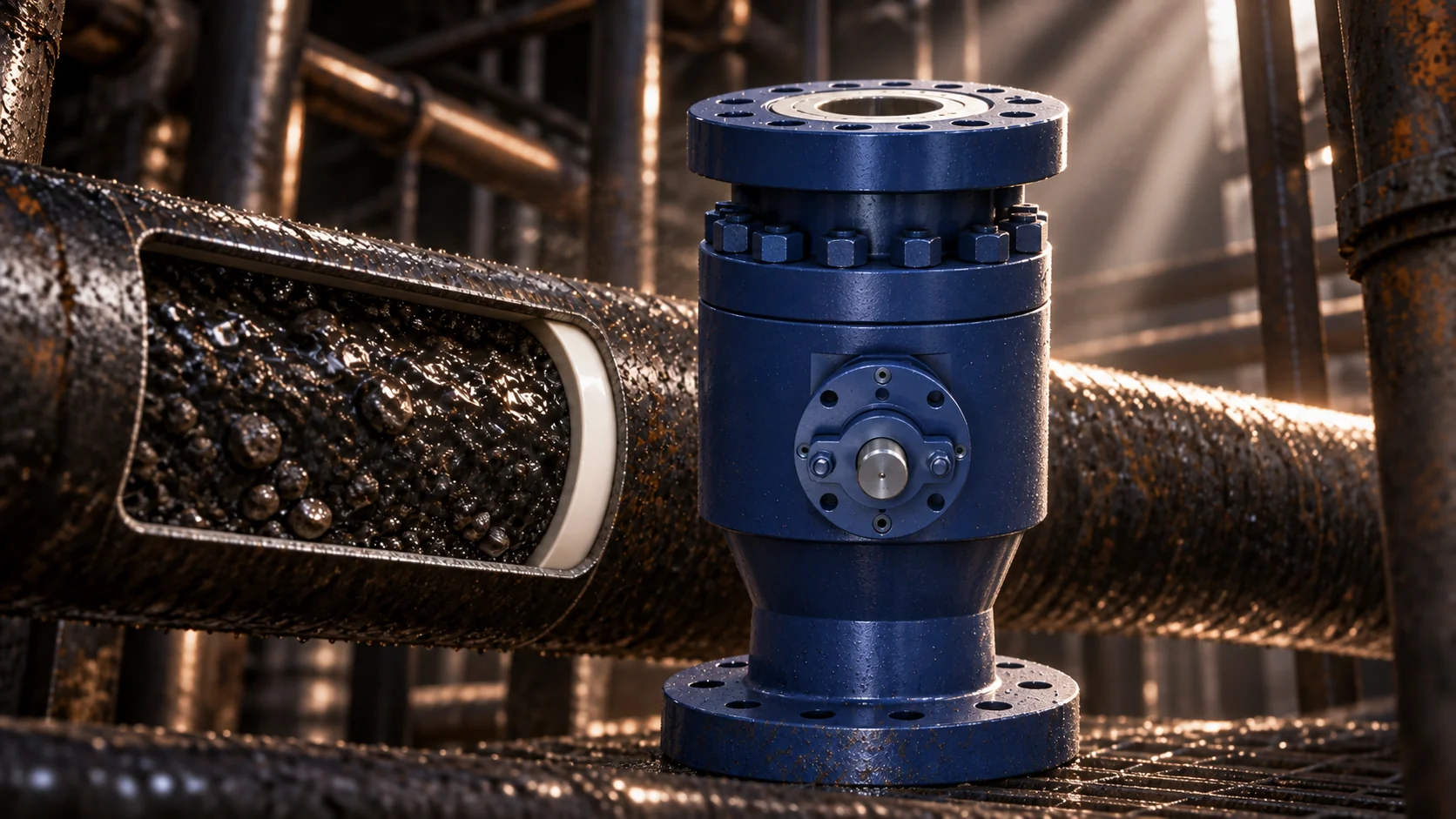
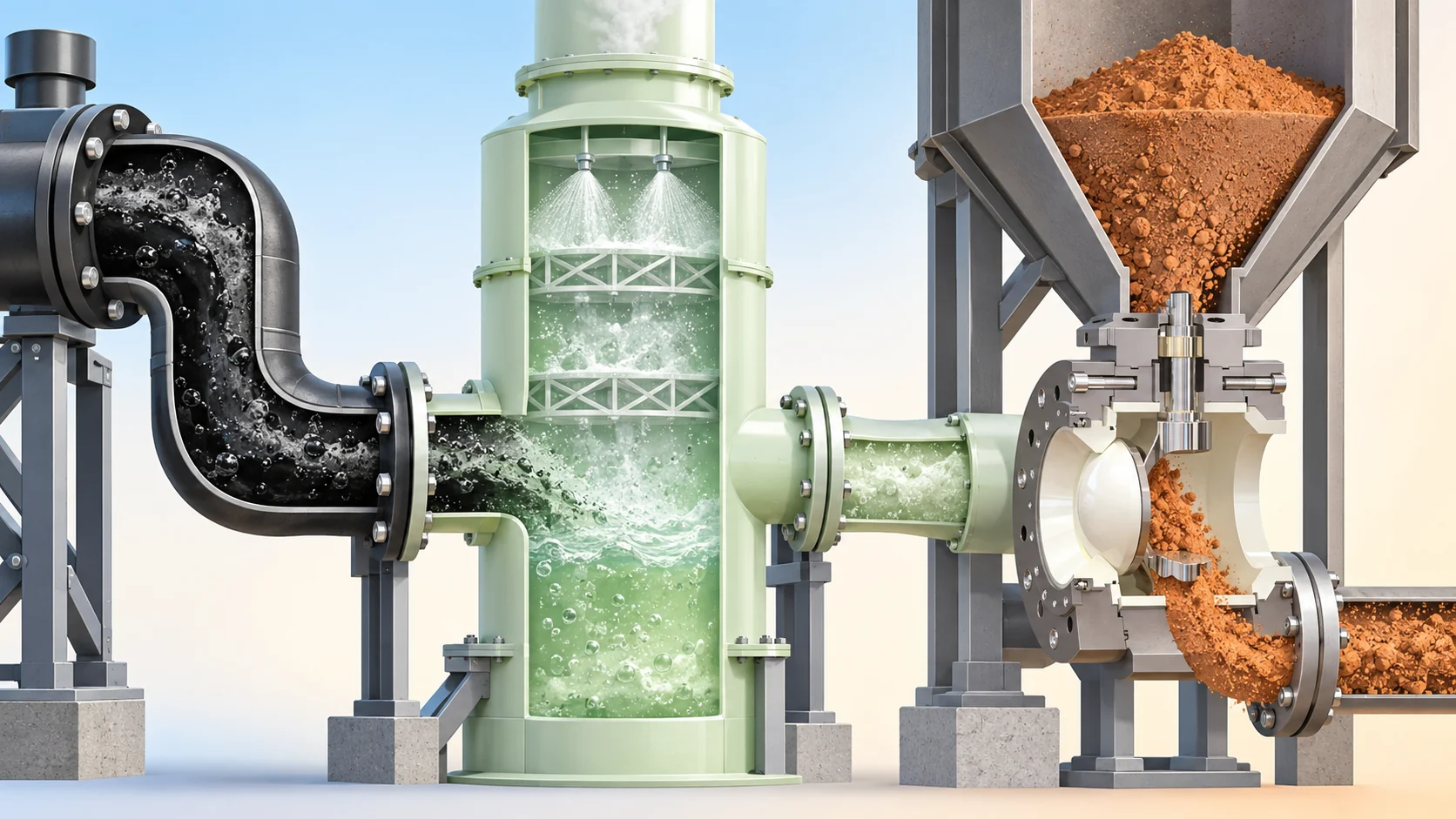
KOWOV's published account describes this sequence at a chemical facility in Ningbo. The engineering problem was a DN50 valve handling a corrosive process-water duty, with internal leakage developing in the earlier metal construction.
The operating information behind the decision
The original report describes water associated with a process containing hydrogen sulfide, methane and ammonia-related constituents. It gives a temperature of 40 °C and a Class 600 pressure designation.
Class 600 is not a measurement of the line pressure or the differential pressure across the valve. A replacement specification needs those actual values, along with the water chemistry, dissolved species and any entrained solids.
The previous duplex-steel valves entered service in May 2015 and showed wear and corrosion by the following February. The account records an approximate 9–10-month service interval, which did not meet the customer's intended maintenance cycle.
Inspection opened the way to further orders
After technical discussions, the plant accepted two KOWOV ceramic valves for trial in June 2016. During two scheduled inspections over the next two years, the account reports that the inspected components remained intact.
The customer subsequently ordered four additional valves of the same type. In 2022, the first trial valve was replaced after approximately six years of service. The reported August 2024 position was eight KOWOV ceramic valves in the system.
The first unit's six-year interval gave the plant a longer record than the early trial inspections alone. By August 2024, the system contained eight KOWOV ceramic valves supplied over the course of the project.
Look beyond the ball material
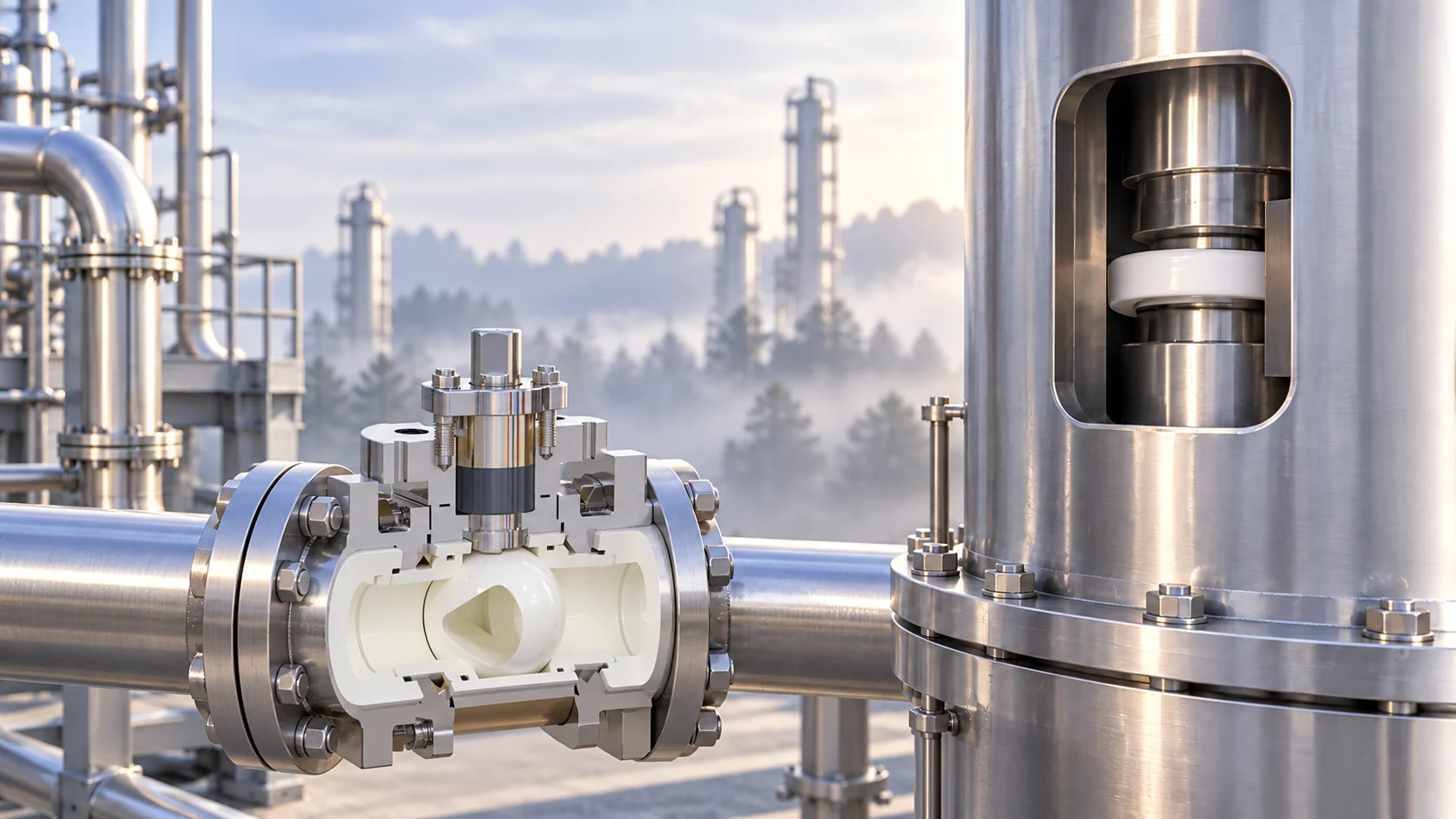
For a corrosive process-water duty, identify every material exposed to the medium. A ceramic ball can protect one working surface while secondary seals, lining interfaces or other wetted components still determine the service limit.
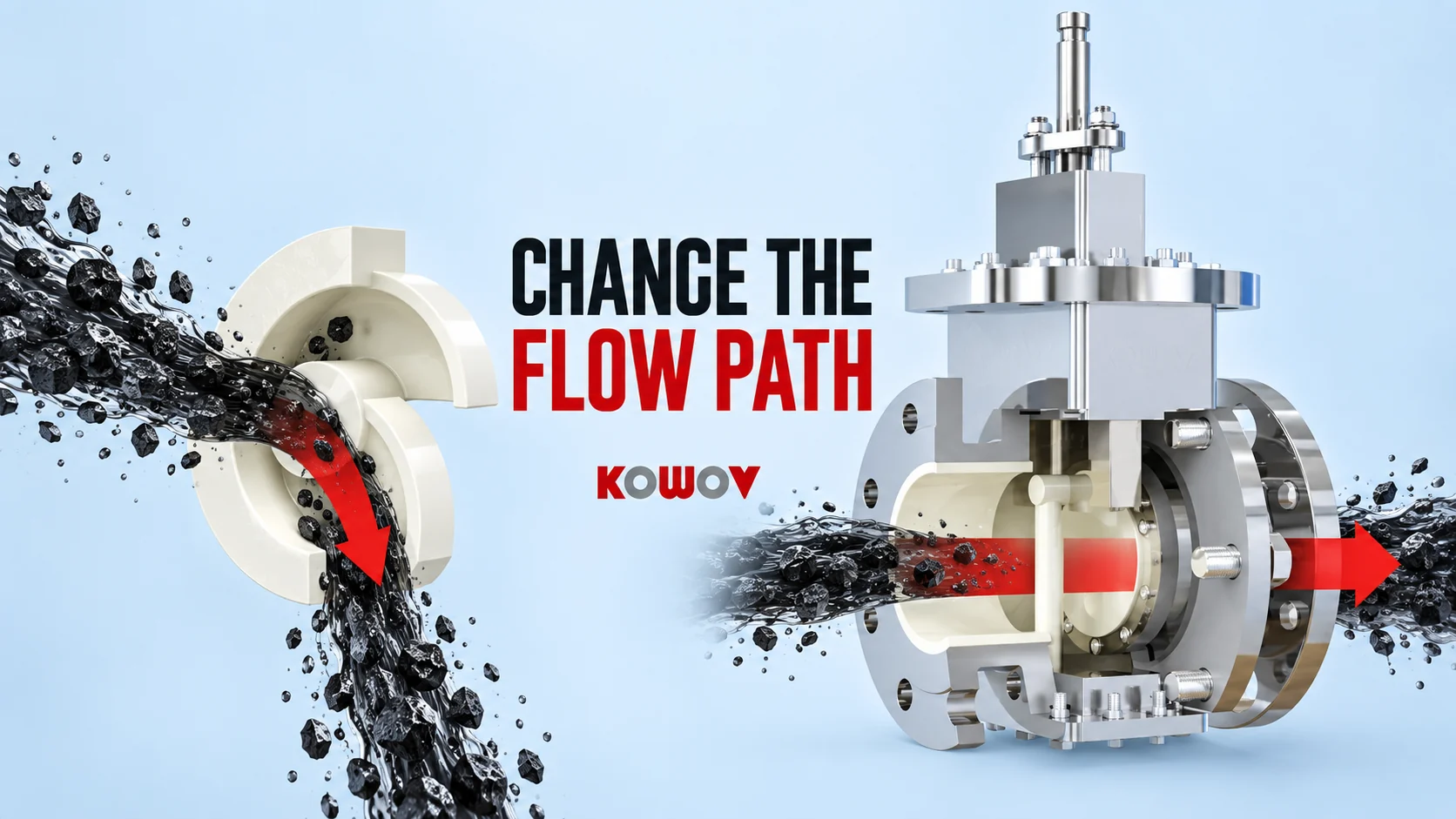
The FCCV5 ceramic ball valve and FCCV8 double-lining construction are current product routes to discuss where pressure-class requirements and corrosion protection are central. The historical story does not identify the complete catalogue configuration used in the trial.
For a comparable duty, bring the operating data and material requirements to the model review. Include the liquid constituents, their concentrations and the required leakage test so the proposed construction can be checked as a complete assembly.
Make supplier approval depend on a useful record
A trial can support supplier approval when the acceptance conditions are clear. Record the original failure mode, planned inspection dates, leakage requirement and control behavior. Keep the inspection findings attached to the valve position and serial record.
KOWOV's advantage in this account was demonstrated through the sequence of installation, inspection, repeat order and later replacement. A new quotation can follow the same logic, using the customer's actual process conditions to define what the trial must establish.
Discuss your application
Review the wetted construction against your process-water chemistry