Controlling gasifier lock-hopper pressure
A Jiangsu plant’s move from eroded metal trim to an FCCV5 ceramic ball valve, followed from installation in 2017 to inspection in 2025
On this page
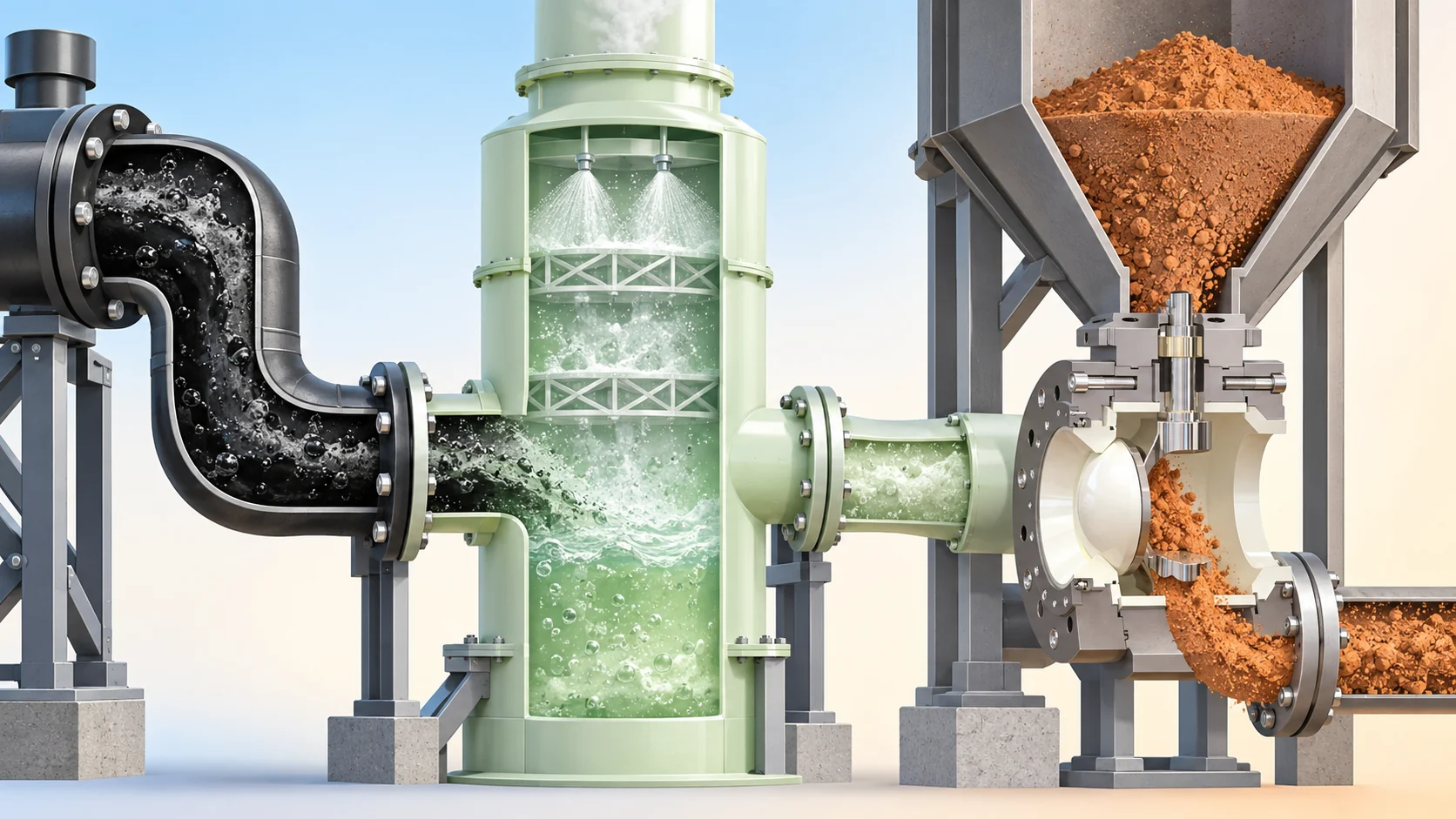
A gasifier lock-hopper valve has to release pressure while handling particle-laden black water. As it opens, a concentrated stream crosses the trim under changing conditions. At a chemical complex in Jiangsu, that combination was wearing through the existing valve long before the plant wanted to replace it.
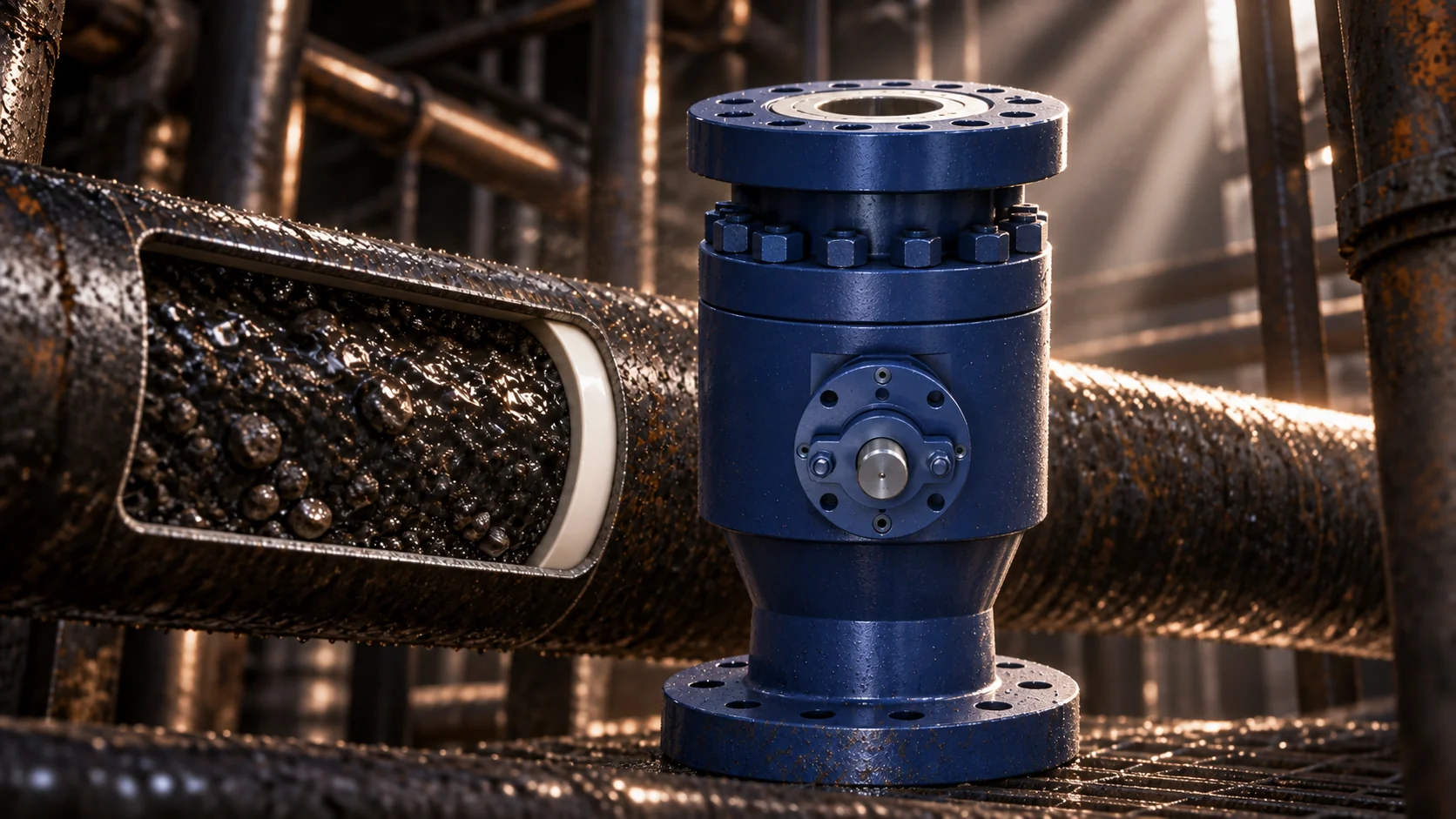
The tungsten-carbide-coated metal valve suffered erosion, vibration and internal leakage. KOWOV's published account records a service interval of about one year before the customer tried an FCCV5 ceramic ball valve.
The pressure change happens at the valve
The account describes black water containing solid particles, temperatures up to 200 °C and pressure up to 10 MPa. These values describe the reported process; they do not by themselves establish the full operating envelope for every FCCV5 configuration.
During depressurization, the pressure difference across the trim changes. A particle-bearing stream can attack the sealing area while the valve is partly open. Depending on the fluid conditions, the pressure reduction may also change the flow regime. Selection therefore needs upstream and downstream pressure through the operating cycle, not a single line-pressure number.
The plant's history of vibration is relevant to the whole assembly. The body, supports, stem, actuator and piping connection need to be considered alongside the erosion resistance of the trim.
Why the FCCV5 was considered
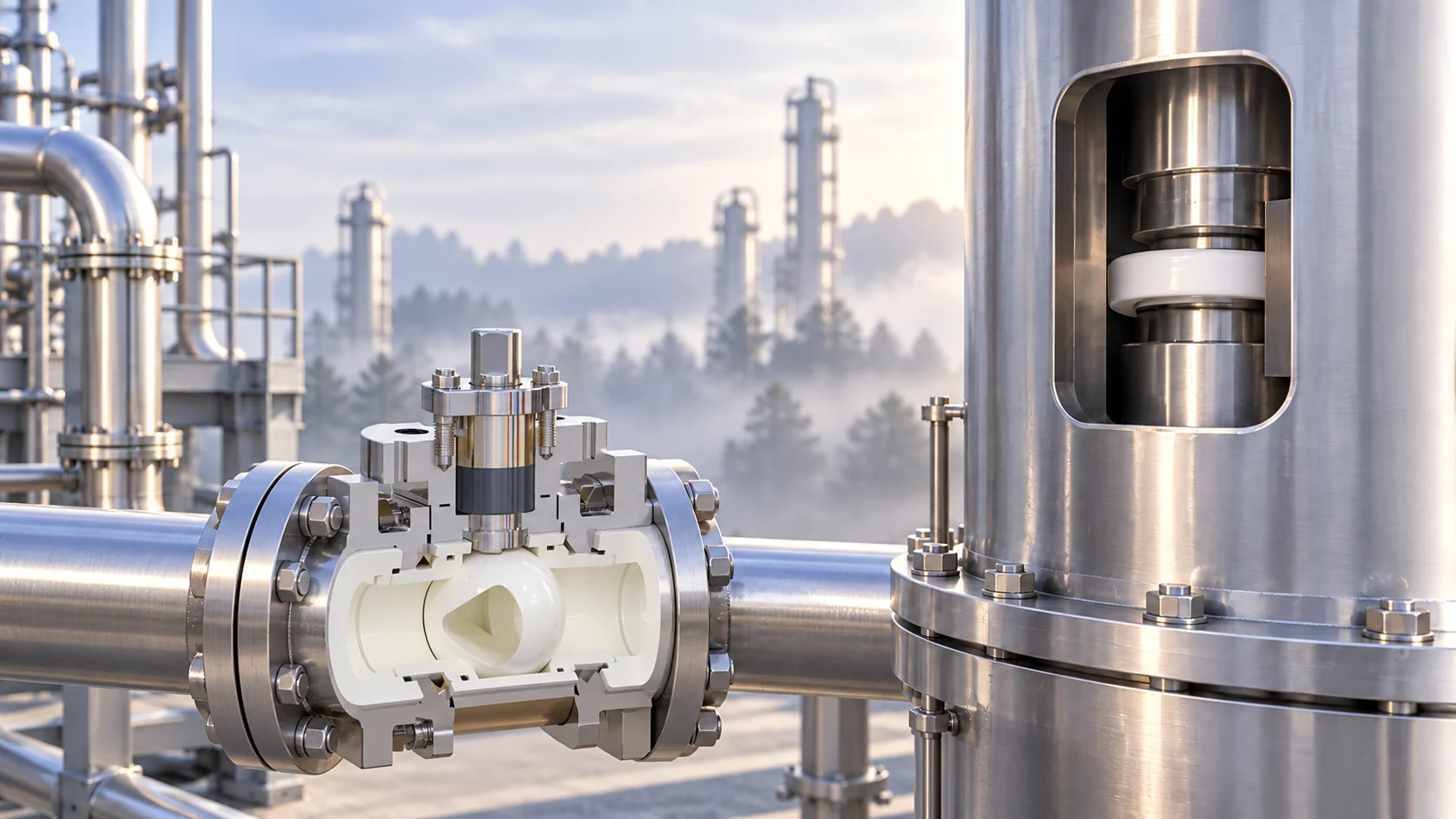
The FCCV5 high-temperature, high-pressure ceramic ball valve is designed for demanding conditions involving differential pressure and particle-bearing media. The original case describes a large ceramic ball, a broad sealing seat, hard sealing construction and live-loaded packing among the features reviewed for the application.
Each feature has a different role. Ceramic trim addresses wear in the flow path. The seat geometry contributes to sealing and particle handling. The packing arrangement addresses the stem seal. Reliable operation depends on the assembled configuration being suitable for the same duty.
More than seven years at the first position
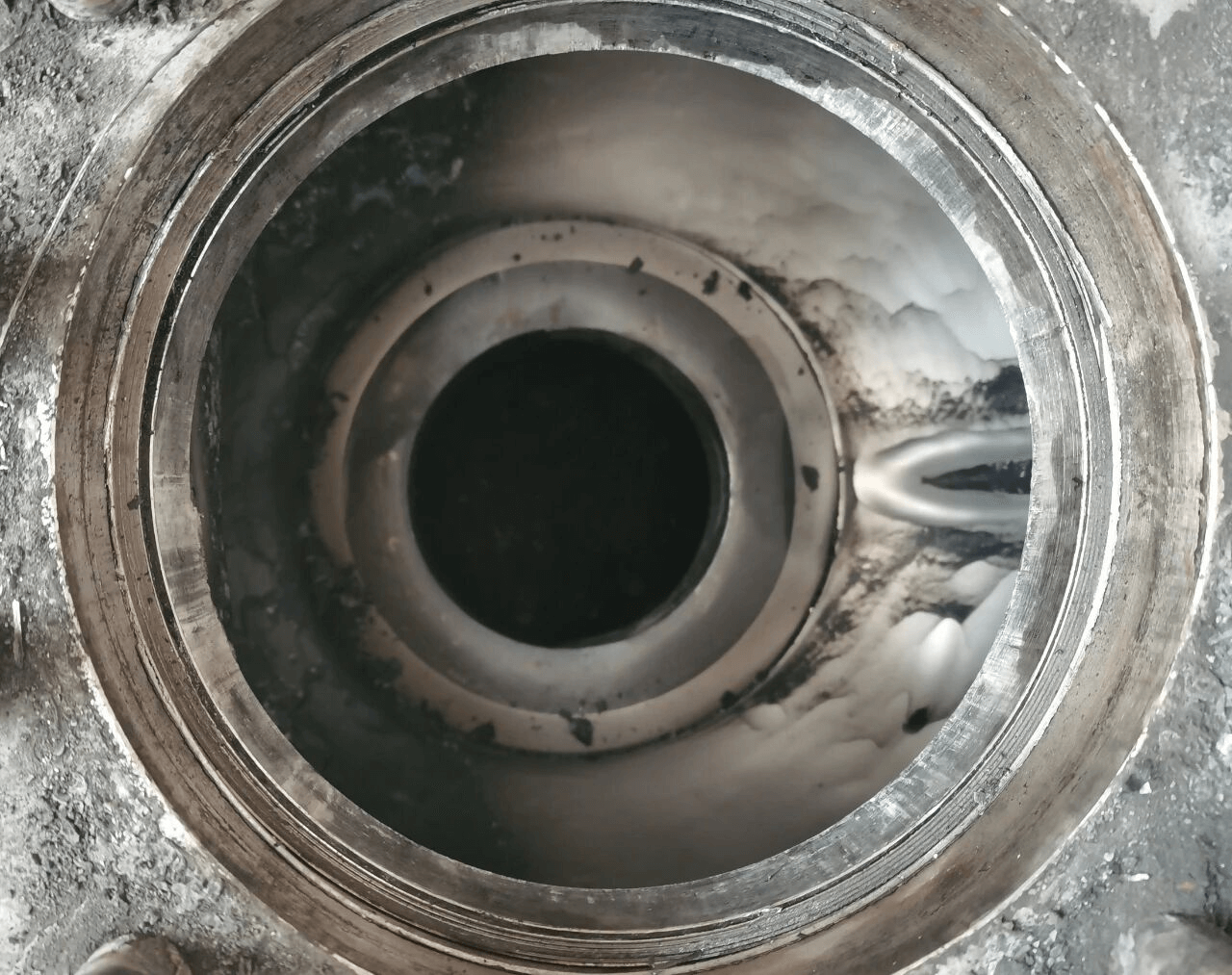
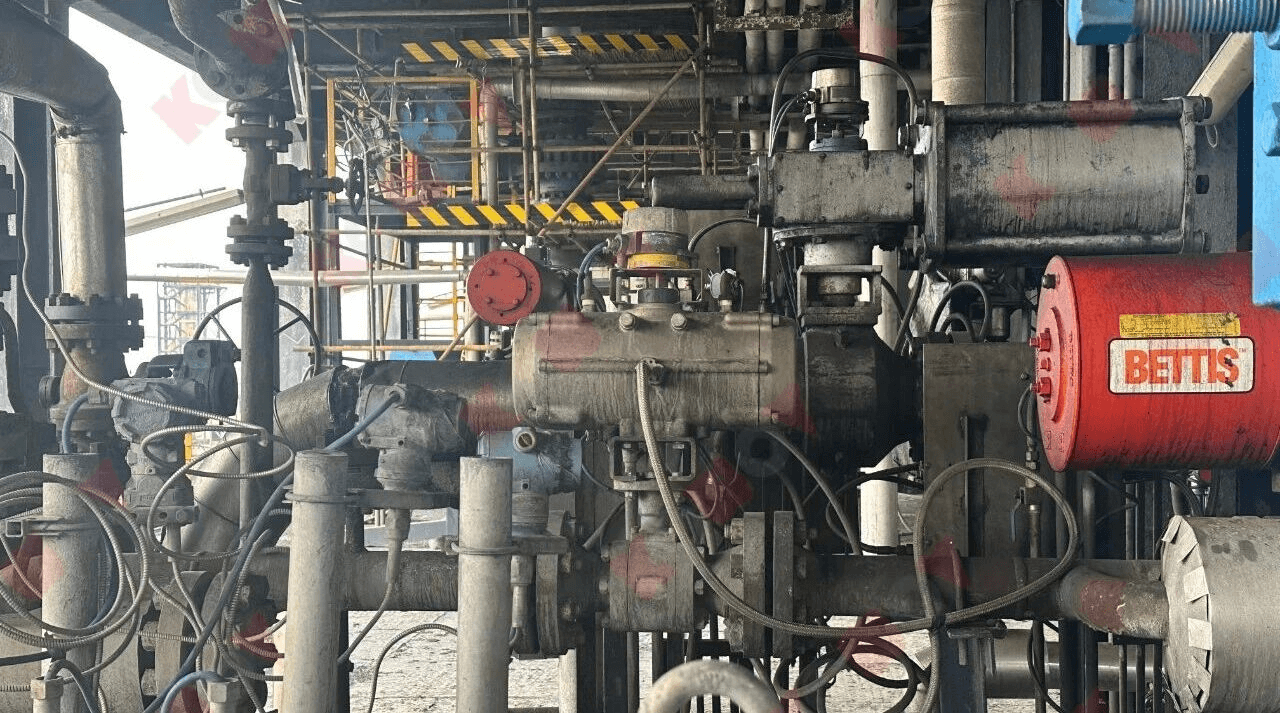
The first valve was installed on 6 November 2017. KOWOV's May 2025 follow-up reported that the original ball and seat remained in service without observed damage or leakage. That supports a service history of more than seven years at the time of the report.
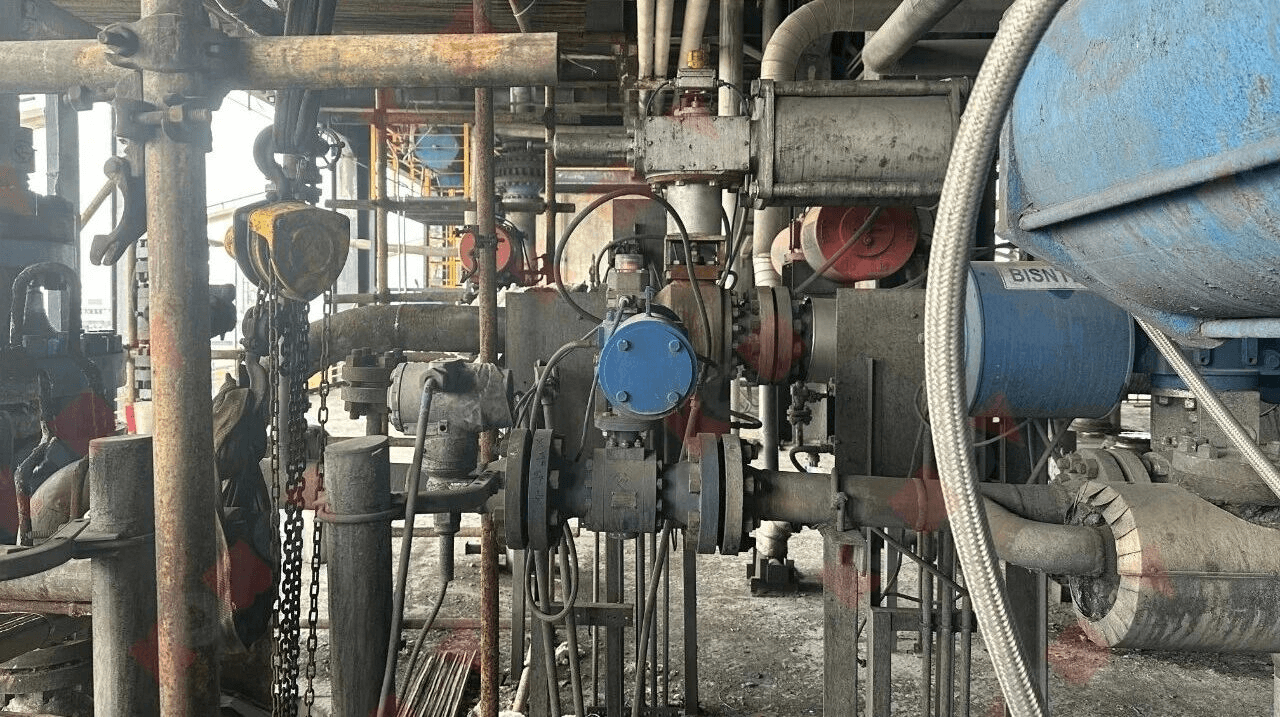
The customer subsequently added two valves of the same model. The first installation gave the plant a service record against which to assess the additional supply.
What another gasification project should provide
To assess a similar replacement, send the valve position, cycle sequence, upstream and downstream pressure, temperature range, solids description and photographs of the failed trim. Include actuator information and any recorded vibration or torque changes.
The Inner Mongolia project account shows why some black-water control positions required a different geometry, eventually using a ceramic slide valve. The appropriate choice depends on the particular pressure-reduction and control duty, even within the same gasification plant.
Discuss your application
Review an FCCV5 configuration for your lock-hopper pressure cycle