Ceramic Valve Solutions for Trichlorosilane Synthesis
Reliable valve solutions for abrasive silicon powder, corrosive hydrogen chloride and crystallizing chlorosilane media in trichlorosilane synthesis systems
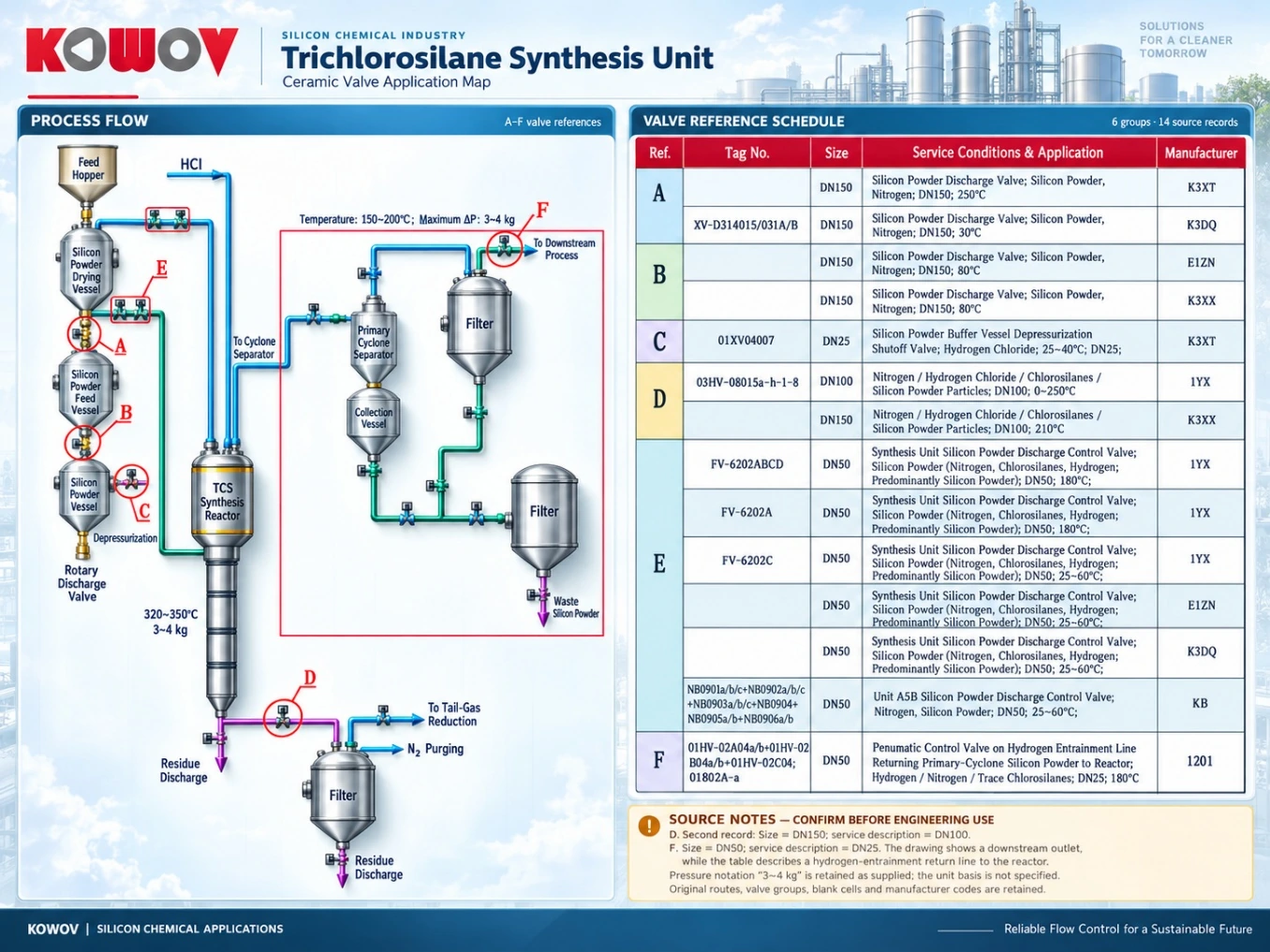
Wear-resistant and corrosion-resistant ceramic valve solutions for silicon powder, hydrogen chloride and chlorosilanes in trichlorosilane synthesis systems
Silicon powder reacts with hydrogen chloride gas to produce trichlorosilane, with silicon tetrachloride and other compounds generated as by-products
Key Industries
- Organic Silicon
- Polysilicon
Operating Conditions
Operating temperature below 250°C. Media include silicon powder, hydrogen, trichlorosilane, silicon tetrachloride, chlorosilanes, nickel-based catalysts, and other process materials
| Parameter | Value | Parameter | Value |
|---|---|---|---|
| Medium | Silicon powder, hydrogen, chlorosilanes, hydrogen chloride, trichlorosilane, silicon tetrachloride, etc. | Phase | Gas-solid two-phase |
| Operating pressure | 6-30 bar | Pressure class | Class 150-300 |
| Differential pressure (ΔP) | ≤3 MPa | Nominal size | DN25-DN200 |
| Operating temperature | <250°C | Thermal shock | None |
| Characteristics | Abrasive wear |
Medium details: Silicon powder with a Mohs hardness of 7. Particle size is generally 150-600 μm (30-100 mesh), with at least 80% of the particles falling within this range
| Property | Specification |
|---|---|
| Chemical composition | HCl, H₂ |
| Corrosive components | Not specified |
| Corrosiveness (pH) | Not specified |
| Solids content | Relatively high |
| Particle size | 150-600 μm |
| Particle hardness | Mohs 6-7 (Highly Abrasive) |
Special Operating Conditions
Abrasion and Corrosion
- The medium contains large quantities of fine silicon powder with a Mohs hardness of 7, making abrasive wear the primary challenge
- When chlorosilanes contact water or moisture, they undergo a strongly exothermic hydrolysis reaction, producing hydrogen chloride (HCl) and polysiloxanes, which severely corrode carbon steel
- High-boiling metal chlorides such as AlCl₃, FeCl₃, and TiCl₄ may precipitate and solidify at low temperatures, causing crystallization, scaling, and intensified erosion
- Hydrogen has the smallest molecular size of any gas and is highly prone to permeation and leakage, creating a significant process-safety risk
Keywords: High Hardness · Powder Media
Process Pain Points and Key Opportunities
Original Valve Materials and Types
Most existing valves are metal hard-seated valves, primarily metal-seated plug valves and ball valves
Problems with Existing Valves
- Hard particles cause severe abrasive wear. Valve seizure scratches the sealing surfaces, while secondary-seal wear results in internal leakage
- Free HCl and trace moisture in the system undergo further hydrolysis, generating additional HCl. This corrodes metal components and accelerates abrasive damage
- Silicon powder readily settles in the valve cavity, causing valve sticking, incomplete closure and particle indentation damage to the sealing surfaces
- Metal chlorides precipitate and crystallize at low temperatures. Deposits adhere to the sealing surfaces, causing valve seizure and severe abrasive damage
Replacement Interval and Service Life
Service life varies from three to six months
Losses Caused by Shutdowns and Maintenance
- Production interruptions reduce operating efficiency
- Leakage of flammable and explosive gases may cause serious production accidents
Additional Information
Hydrogen is highly prone to permeation and leakage, which may cause atmospheric pollution and adversely affect the quality of downstream reactions
Keywords: High Cost · Short Service Life · Frequent Maintenance · Production Accidents · Product-Quality Stability
Why Choose Ceramic Valves?
Superior Wear Resistance
- Structural ceramics achieve a hardness of HRA 90, substantially higher than that of the silicon powder in the process, approximately HRA 70, providing outstanding resistance to abrasive wear
- Their inorganic, non-metallic composition and interlocking crystalline structure prevent metal adhesion and micro-welding at the secondary seal, eliminating adhesive wear and reducing surface-fatigue damage
Superior Corrosion Resistance
- Structural ceramics possess excellent inherent corrosion resistance, effectively withstanding complex corrosive media containing chlorosilanes and hydrogen chloride, as well as corrosion-erosion damage
- In acidic media containing chloride ions, metals readily undergo electrochemical corrosion. Even highly corrosion-resistant alloys can only slow this process; they cannot prevent it. Structural ceramics, however, are not subject to electrochemical corrosion
Fully Ceramic-Lined Ball Valve Design
- The fully ceramic-lined ball valve provides a continuous ceramic flow path, completely isolating the medium from the metal valve body. It delivers virtually zero metal contamination and features self-cleaning and scraping functions to prevent deposits, crystallization and valve seizure
- The solid ceramic ball maintains long-term impact resistance without significant performance degradation
Service-Life Guarantee
Minimum service life: Control valves ≥3 years; on/off valves ≥5 years
Lower replacement frequency means fewer plant shutdowns, reduced production losses, lower total operating costs and safer, more reliable operation
Conclusion: Specialized ceramic materials successfully solve severe wear and high-velocity particle erosion problems in conventional valves. These ceramic valves have been installed at critical points in trichlorosilane synthesis and cold-hydrogenation systems operated by several of the world’s top ten polysilicon and organosilicon manufacturers
Case Study
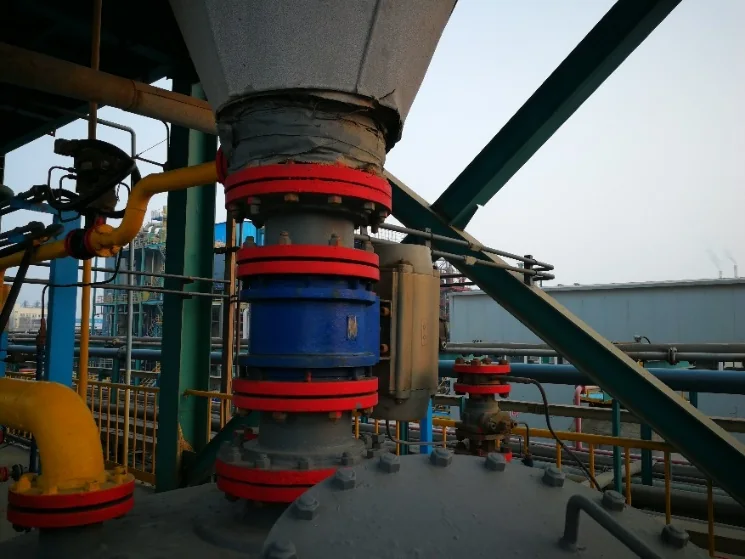
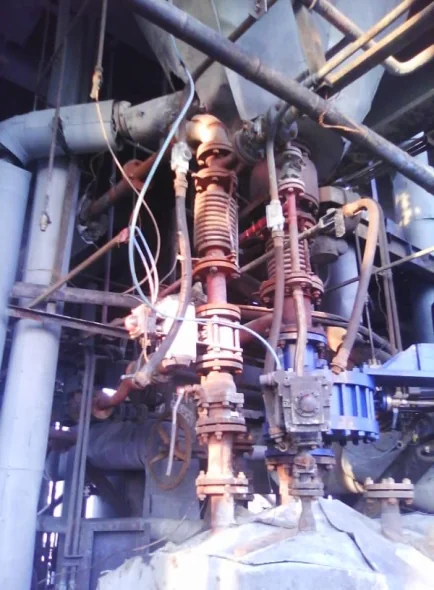
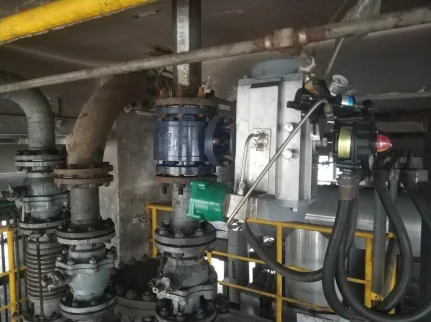
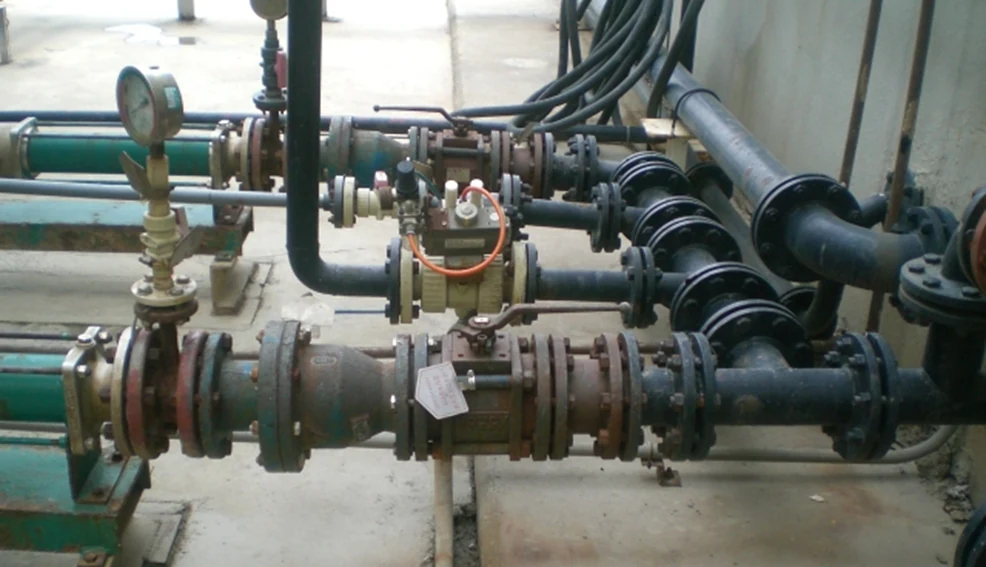
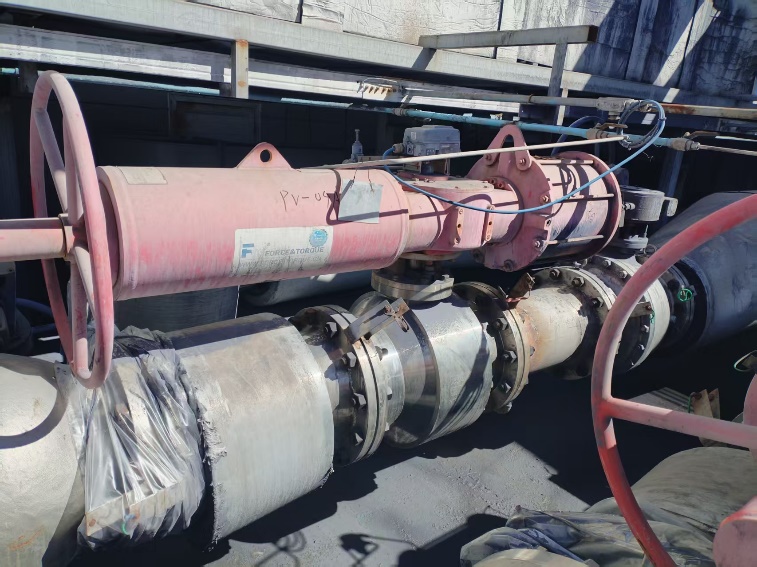
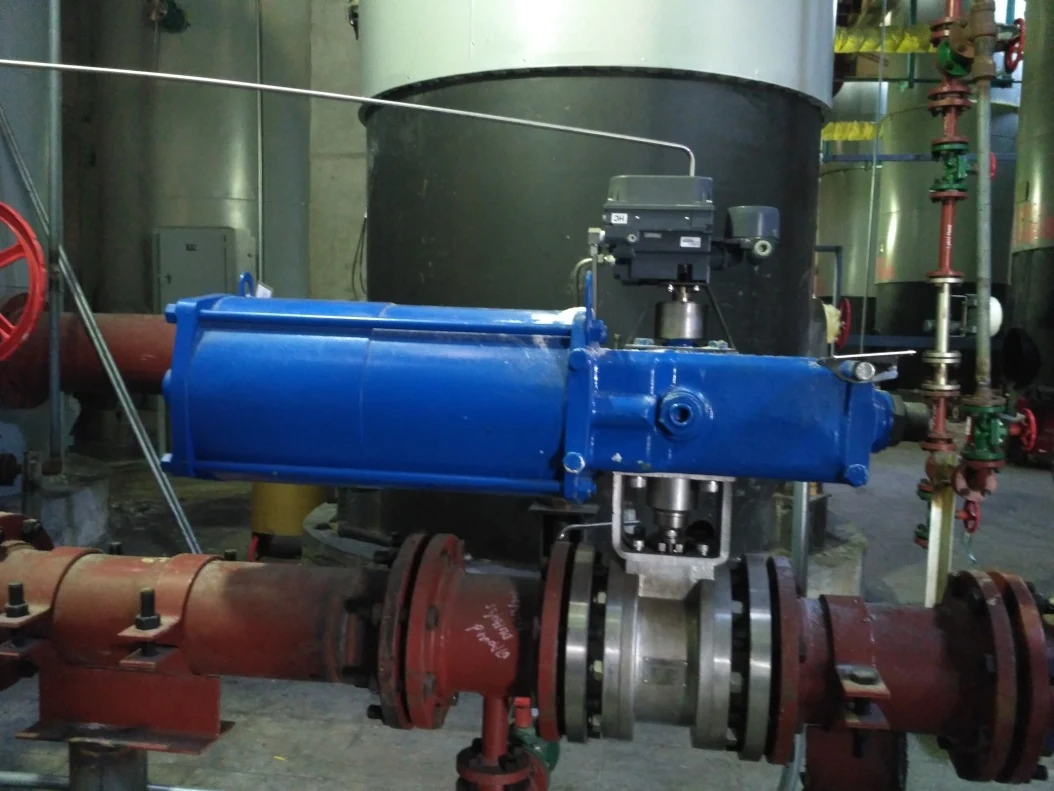
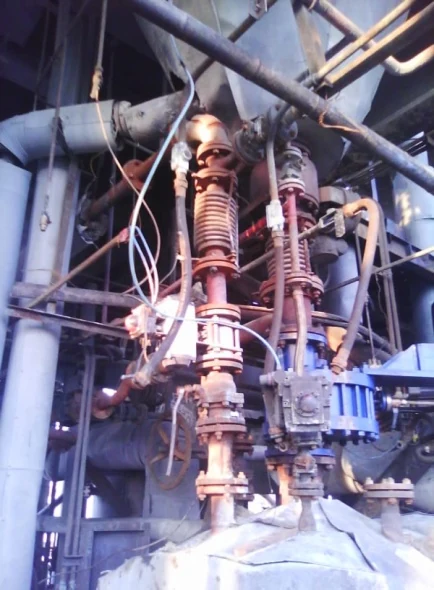
Trichlorosilane Synthesis: site photographs
End Users
- Zhejiang Xinan Momentive Performance Materials Co., Ltd., China, since 2017
- Inner Mongolia Hengyecheng Silicones Co., Ltd., China, since 2017
- Shandong Dongyue Silicone Material Co., Ltd., China, since 2017
- Jiangxi Bluestar Xinghuo Silicones Co., Ltd., China, since 2014
- Tangshan Sanyou Silicon Industry Co., Ltd., China, since 2018
In trichlorosilane synthesis for polysilicon production, silicon powder is the principal feedstock. Because its hardness is comparable to that of many metallic hard-sealing materials, rapid abrasive wear occurs. Conventional metal hard-seated valves therefore have very short service lives
Limited by the performance of metallic sealing materials, service life could not be significantly improved. To reduce costs, domestic manufacturers attempted to replace imported metal hard-seated valves with locally produced alternatives. However, based on a two-year replacement cycle, this approach delivered little real cost saving
Ceramic valves provide substantially longer service life than metal hard-seated valves. When calculated over the complete operating life, the valve cost per service cycle is reduced to approximately 25% or less of that of comparable metal hard-seated valves, excluding the additional costs of shutdowns, maintenance labour and production losses
Conclusion
Actual service life: Control valves ≥3 years; on/off valves ≥5 years
Commonly Used Products
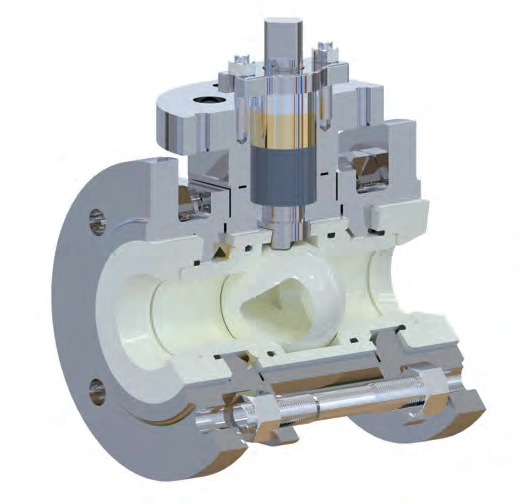
FCCV1
Standard Ceramic Ball Valve
The FCCV1 series is the standard model in the ceramic ball-valve range. It is designed for highly corrosive and severely abrasive service at temperatures up to 180°C and differential pressures up to 2.0 MPa
- Wide sealing surfaces and scraper-type valve seats provide reliable shutoff and extended service life
- The ball and valve-seat sealing surfaces are match-lapped to ensure tight sealing
- The stuffing box incorporates live loading that maintains a constant packing load even after substantial wear, extending packing service life
- The symmetrical valve design provides bidirectional sealing with no flow-direction restrictions
- Wide ceramic flange-sealing surfaces protect the metal flanges from erosion and corrosion by the process medium
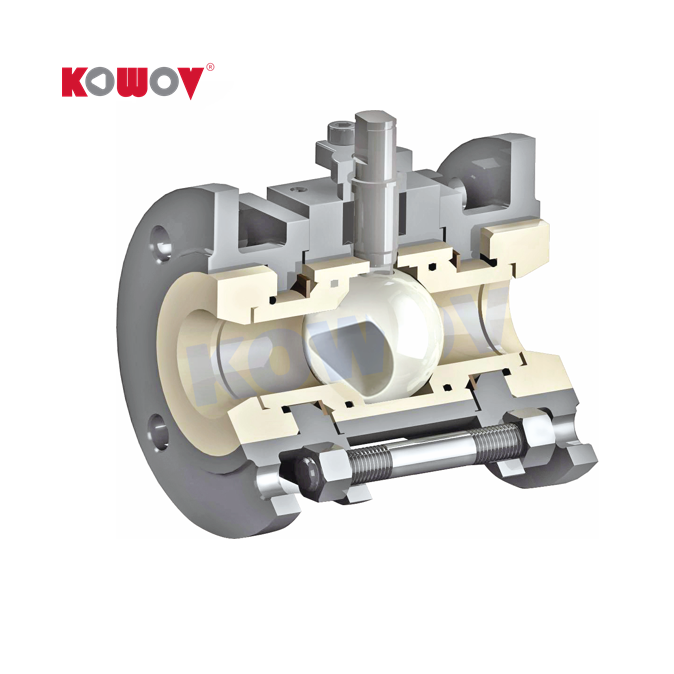
ELCV
Economical Ceramic Ball Valve
The ELCV uses essentially the same basic structural design as the FCCV1 but does not include a top mounting platform. Materials can be selected flexibly according to the operating conditions, providing a more economical ceramic-valve solution, although overall reliability is slightly lower than that of the FCCV1
| Parameter | Specification |
|---|---|
| Valve design | Floating-ball construction |
| Flange standards | ASME B16.5 / HG / DIN / JIS |
| Pressure rating | PN10-PN50 / ASME Class 150-300 |
| Operating temperature | −40°C to 180°C |
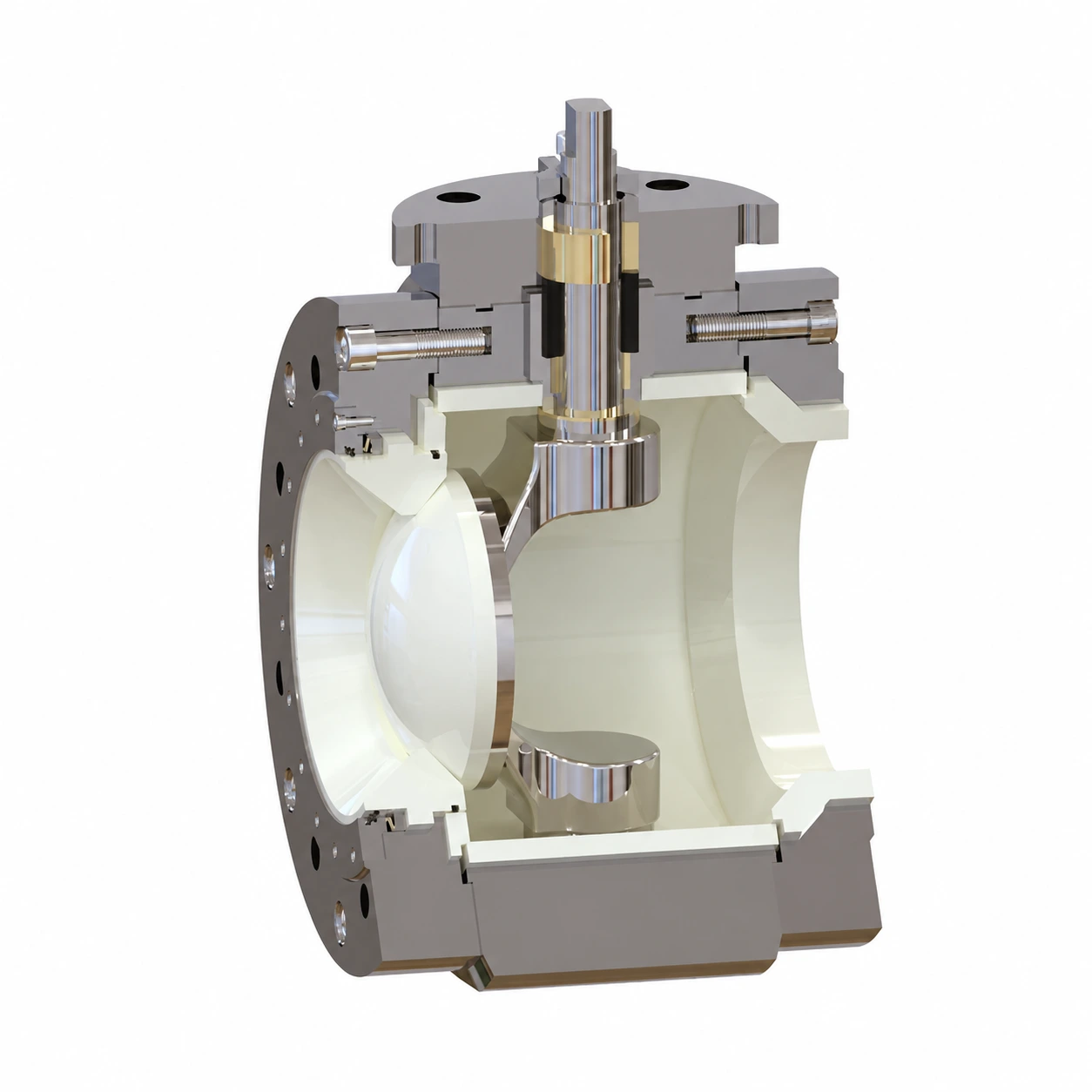
FCRV
Ceramic C-Ball Valve
The valve features a special C-shaped design. Its ball consists of a C-shaped metal support and a one-piece ceramic ball segment mechanically connected and securely embedded together. The ceramic segment protects the metal support from direct erosion by the process medium
The concentric design keeps the ceramic ball segment in continuous contact with the seat during operation, allowing it to scrape away deposits adhering to the sealing surfaces and maintain reliable shut-off performance. It is particularly suitable for media prone to crystallization, scaling, agglomeration, high solids loading and valve jamming. Its cavity-free design minimizes material accumulation inside the valve
Size range: DN50-400
View FCRVContact Us
Talk to our team about your trichlorosilane synthesis application
Discuss your application