Ceramic valves in Indonesia’s nickel industry
The materials and operating conditions behind KOWOV’s work in Indonesian wet-process metallurgy
On this page
Nickel processing in Indonesia creates several different valve duties within the same project. An acidic slurry line, a neutralization circuit and a high-pressure process position can require different material combinations and valve constructions.
KOWOV's work in Indonesian nickel projects is best understood through those local duties. Broad statements about the country's mineral reserves or a project's total production capacity do not explain why a particular valve was selected.
Locate the valve within the process
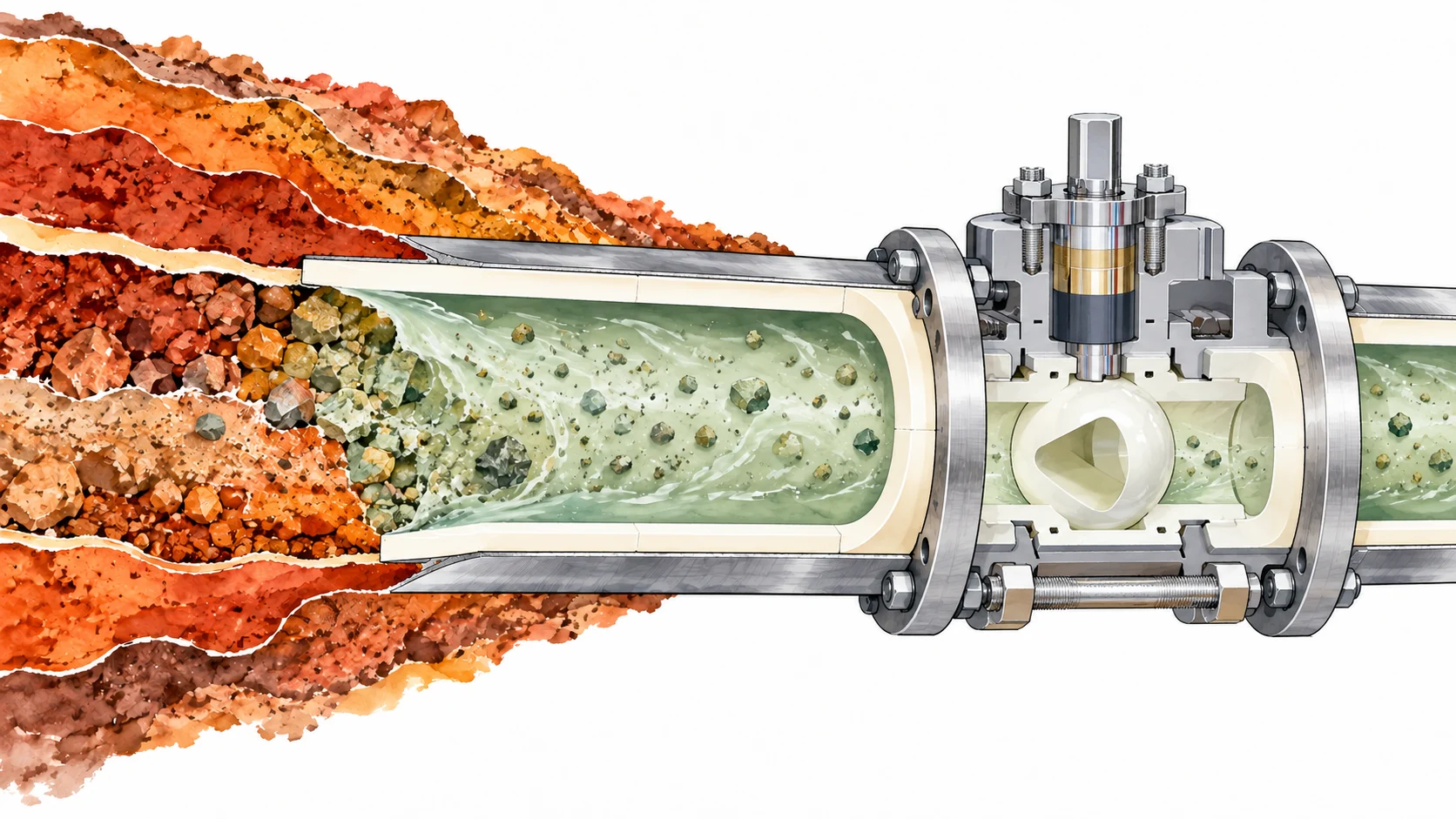
Hydrometallurgical processing brings liquid chemistry and solid particles into the same flow path. Depending on the position, the valve may encounter abrasive slurry, corrosive process water, precipitated solids or changing pressure conditions.
“HPAL project” describes a plant context, not the operating conditions of every valve inside it. A downstream neutralization valve must be assessed using its own temperature, pressure and medium. A model suitable there should not be assumed suitable for the autoclave circuit.
Two records give the story substance
KOWOV's July 2021 delivery account records the manufacture and delivery of ceramic valves for Indonesian nickel projects, following supplier evaluations. It documents a project-delivery milestone.
A separate laterite nickel application story describes ceramic valves initially used for slurry transportation, followed by a trial in the tailings neutralization system in January 2022 and further adoption later that year. That account concerns operating experience and a subsequent replacement decision.
Keeping the records separate matters. The delivery story does not establish the service condition of every valve, and the operating account should not automatically be attributed to every Indonesian project KOWOV supplied.
What ceramic construction can contribute
Suitable ceramic wetted parts provide a route for resisting abrasion and compatible chemical attack. Their usefulness depends on where the ceramic is placed, how the sealing surfaces move and which secondary materials remain exposed to the medium.
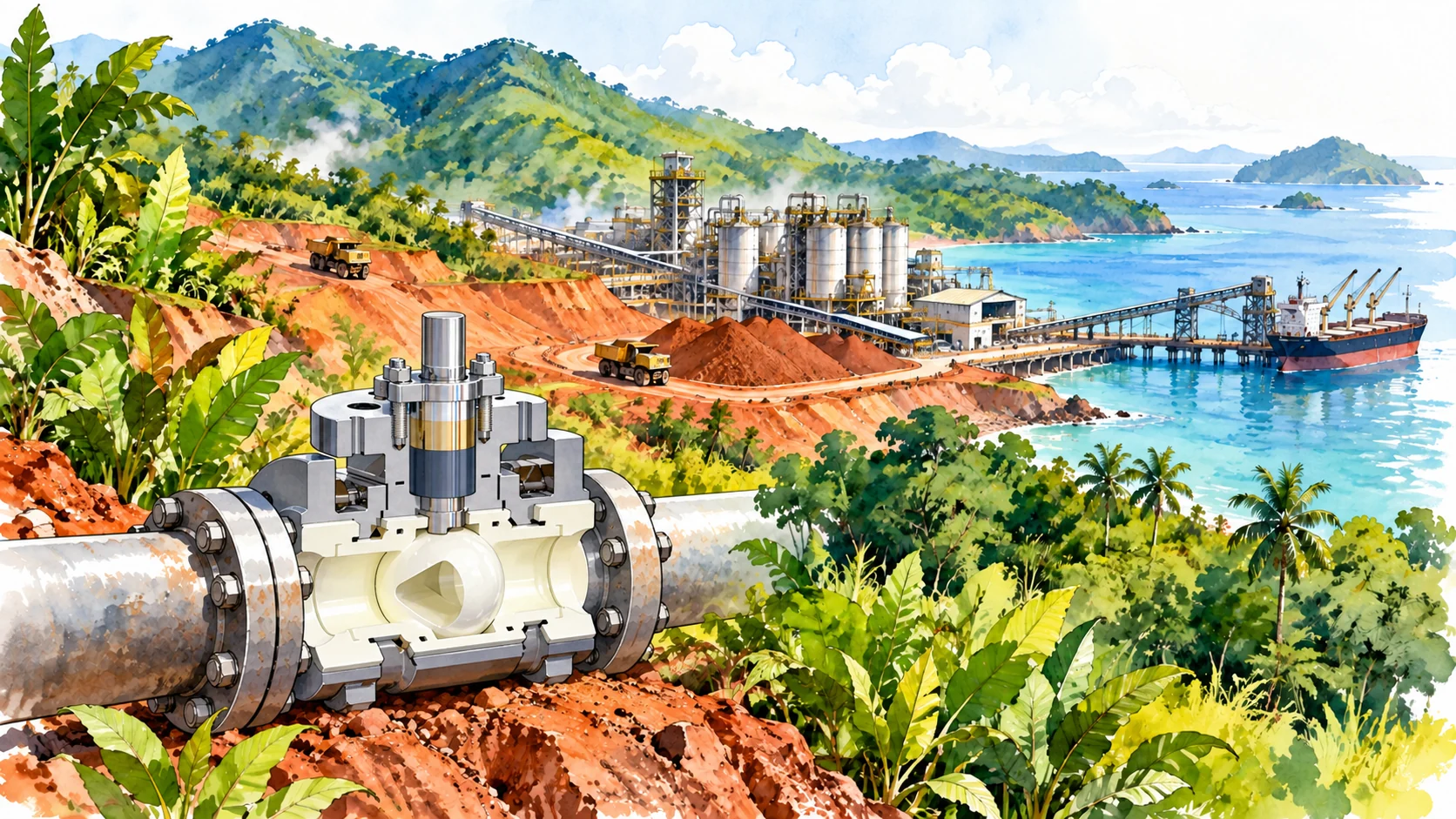
For an initial construction review, the FCCV1 ceramic ball valve covers suitable abrasive and corrosive service. The FCCV8 double-lining valve combines a ceramic-lined passage with a PTFE lining. These designs have different material schedules and operating limits; neither is a universal nickel-process selection.
Prepare the project enquiry by position
Provide a valve list that identifies each stream, function, line size, pressure class and actual temperature and pressure conditions. Include acid concentration, other dissolved species, solids content and particle characteristics where available.
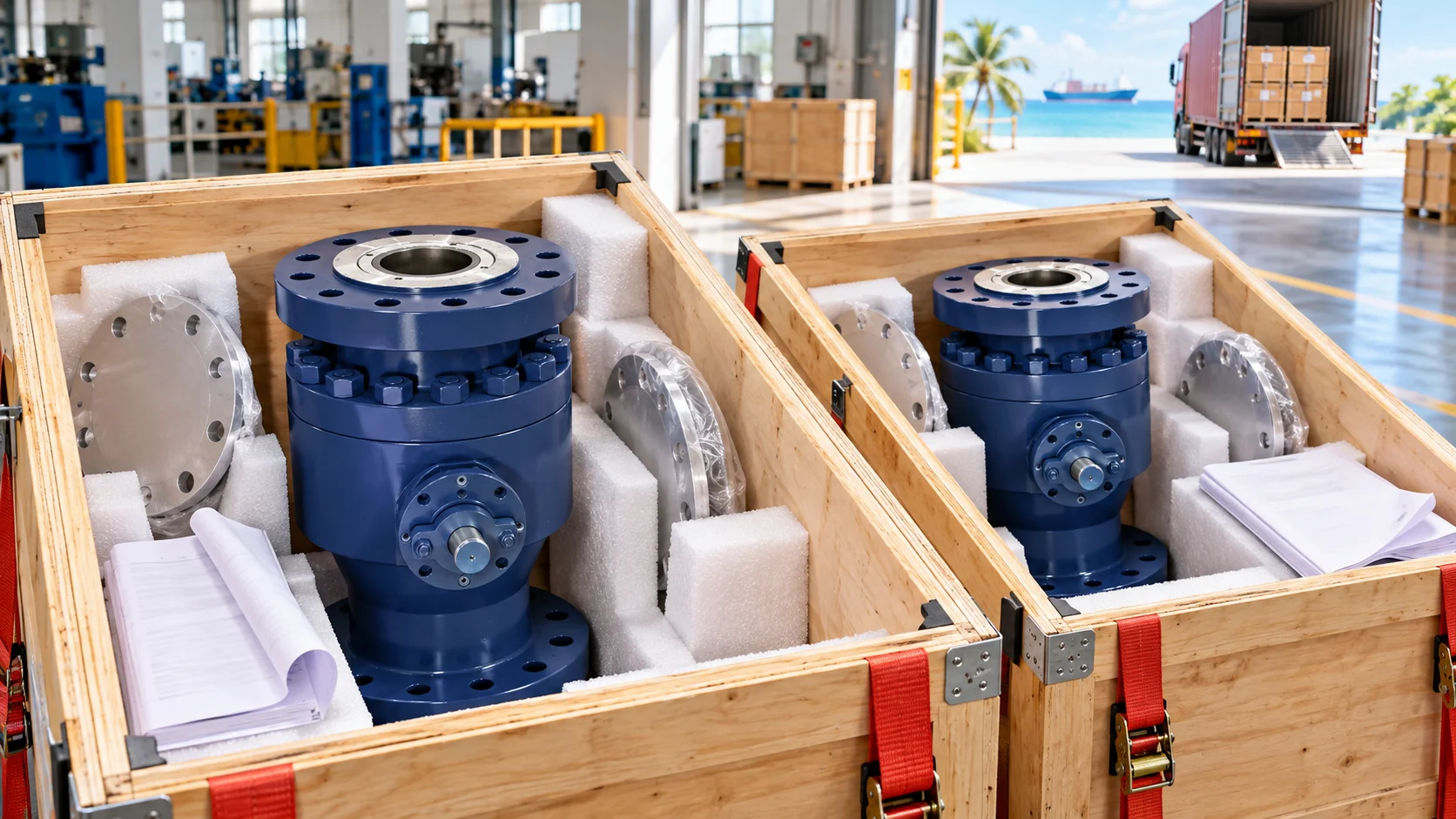
For overseas delivery, add the required inspection documents, spare-parts scope, destination and project schedule. KOWOV can then connect the technical selection with a quotation and delivery plan for the specified equipment.
Discuss your application
Send the valve schedule and local process conditions for your nickel project