The valve challenge in fertilizer production
Phosphoric acid, suspended solids and scale meet at the control valve. A look at the duty behind a fertilizer plant’s material change
On this page
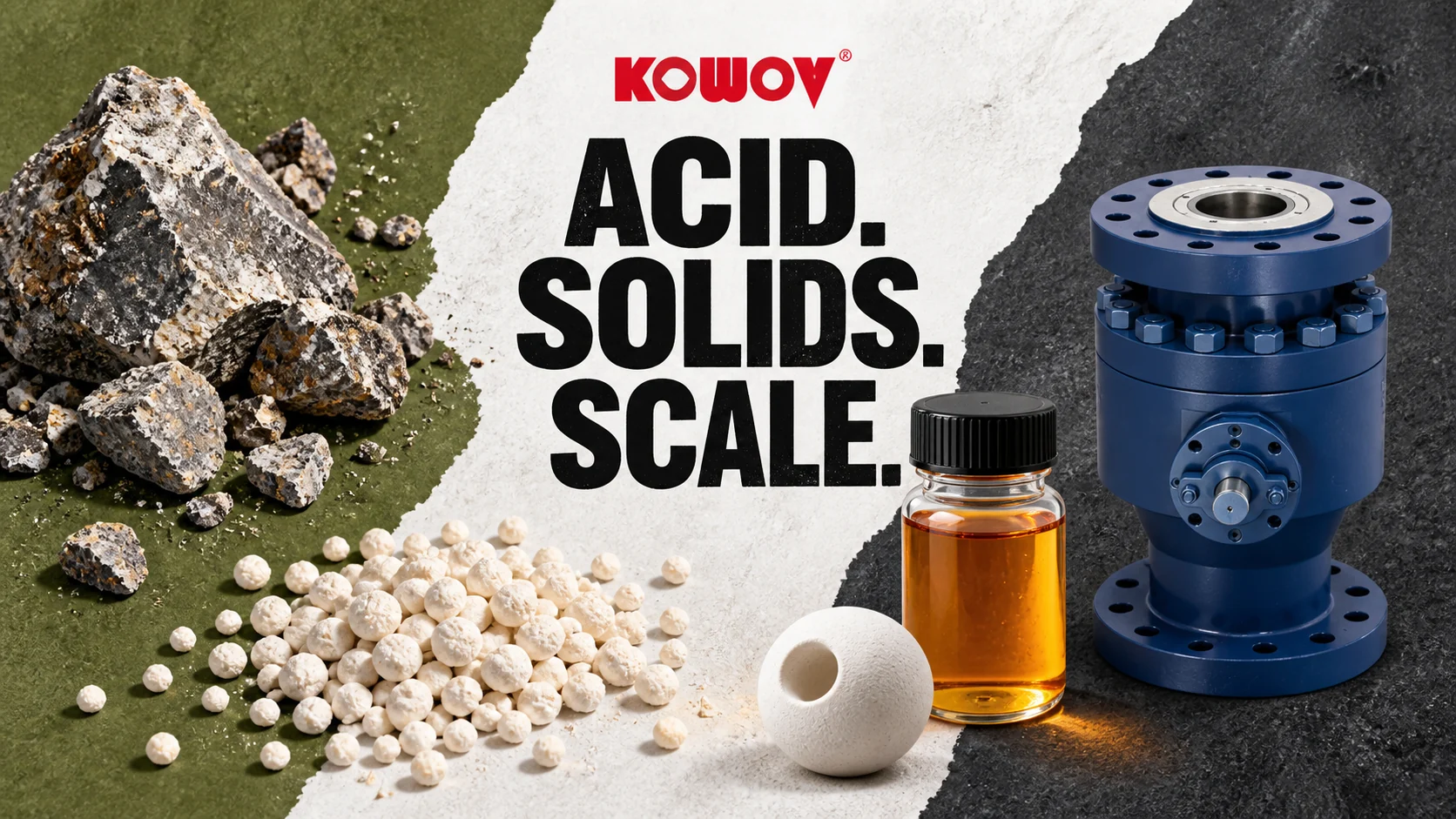
At the outlet of a phosphoric-acid circulation pump, a valve has to regulate a liquid that may also carry abrasive solids and form deposits. Choosing an alloy for the acid addresses only part of that duty. The particles and the places where slurry slows down can determine how quickly the trim loses its sealing surface.
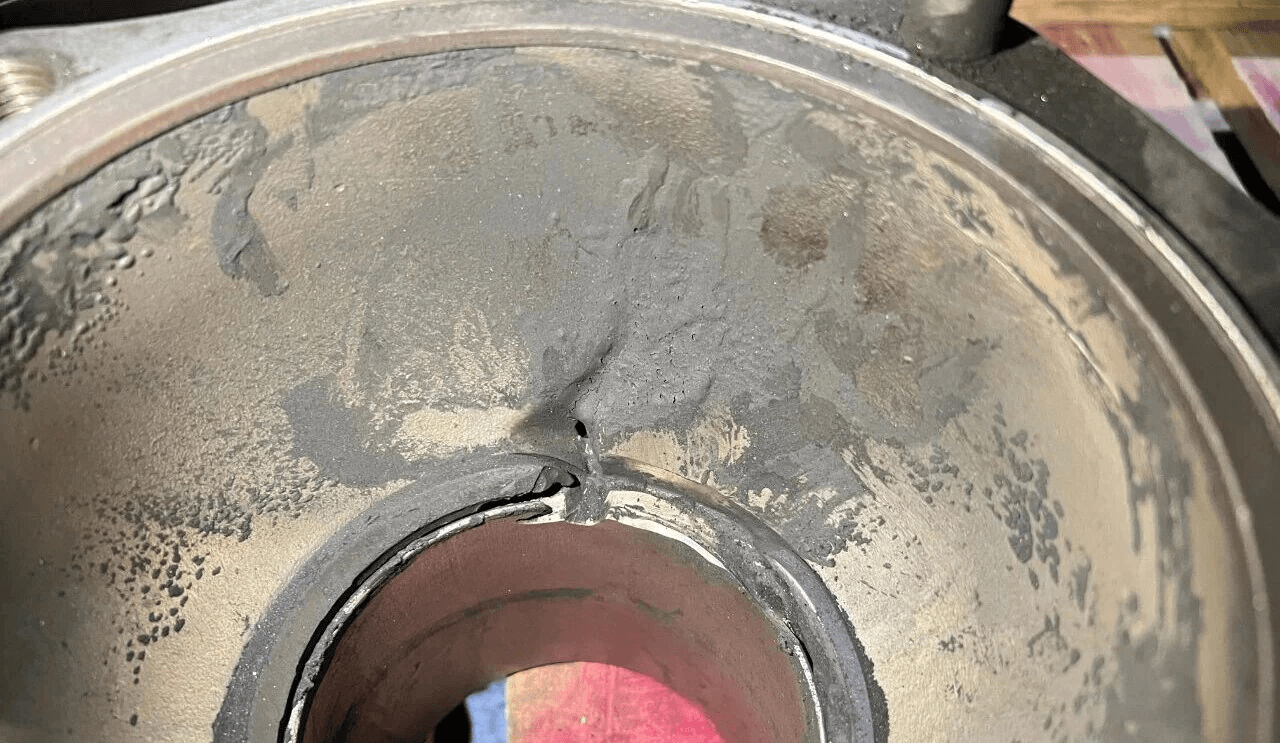
KOWOV's fertilizer application account describes a DAP plant with repeated damage to a 316L control valve at this position. The original report records erosion and pitting, short replacement intervals and disruption to process control. It is a useful starting point for understanding what the replacement valve needs to change.
Read the slurry as a mixture
Wet-process phosphoric acid can contain residual acid species, dissolved impurities and suspended mineral particles. The original account discusses a stream containing 43% phosphoric acid, along with fluorosilicic acid, residual sulfuric acid and solids. These constituents should be reviewed together when selecting wetted materials.
Solids concentration is only one part of the description. Particle size, hardness and settling behavior influence abrasion and accumulation. Concentration and temperature influence chemical compatibility. A material selection made from the words “phosphoric acid” alone leaves too much of the operating duty unspecified.
Scale adds another dimension. Deposits can reduce the available passage, alter control response or interfere with movement. A valve that resists surface wear still needs a geometry that suits the slurry and the plant's cleaning practice.
What the replacement account reports
The published case records a service interval of approximately two to three months for the original 316L valve and more than twenty-four months after the change to ceramic. The plant also reported improved sealing and steadier operation. At a position requiring frequent intervention, that extended interval was the practical benefit of the material change.
The important comparison is the condition of the same duty over a documented interval. Was the valve controlling over the same flow range? Did the chemistry or solids loading change? Was the end of service caused by erosion, leakage or a planned process modification? Those details determine whether another plant can use the result as a meaningful reference.
Match the geometry to the deposit problem
The FCCV1 ceramic ball valve is one starting point for abrasive, corrosive slurry service within its specified envelope. For material that crystallizes or accumulates inside the valve, review the FCCV6 single-seat construction and the FCRV ceramic C valve as distinct alternatives.
For a new installation, the model choice follows the medium and the flow duty. KOWOV can review the current constructions against the actual pressure, temperature and control range before proposing the wetted materials and actuator.
For regulation, provide the minimum, normal and maximum flow conditions. A valve selected only to match the pipe diameter may spend too much time near a small opening, concentrating the wear in a narrow area.
Make the next inspection useful
Before a trial, record the existing valve's leakage behavior, trim condition and maintenance interval. At the agreed inspection, compare the same surfaces and operating symptoms. Photographs, operating hours and a record of the actual slurry conditions make the result easier to interpret.
A quotation should include the proposed ceramic grade, the remaining wetted materials, required shutoff performance and the intended control range. The phosphorus-processing article explores the combined erosion and corrosion mechanism in a related neutralization duty.
Discuss your application
Send the acid composition, solids and flow range for your fertilizer application