A material change in laterite nickel processing
Acidic water and corrosive process media prompted a closer look at the wetted parts of a nickel project’s valves
On this page
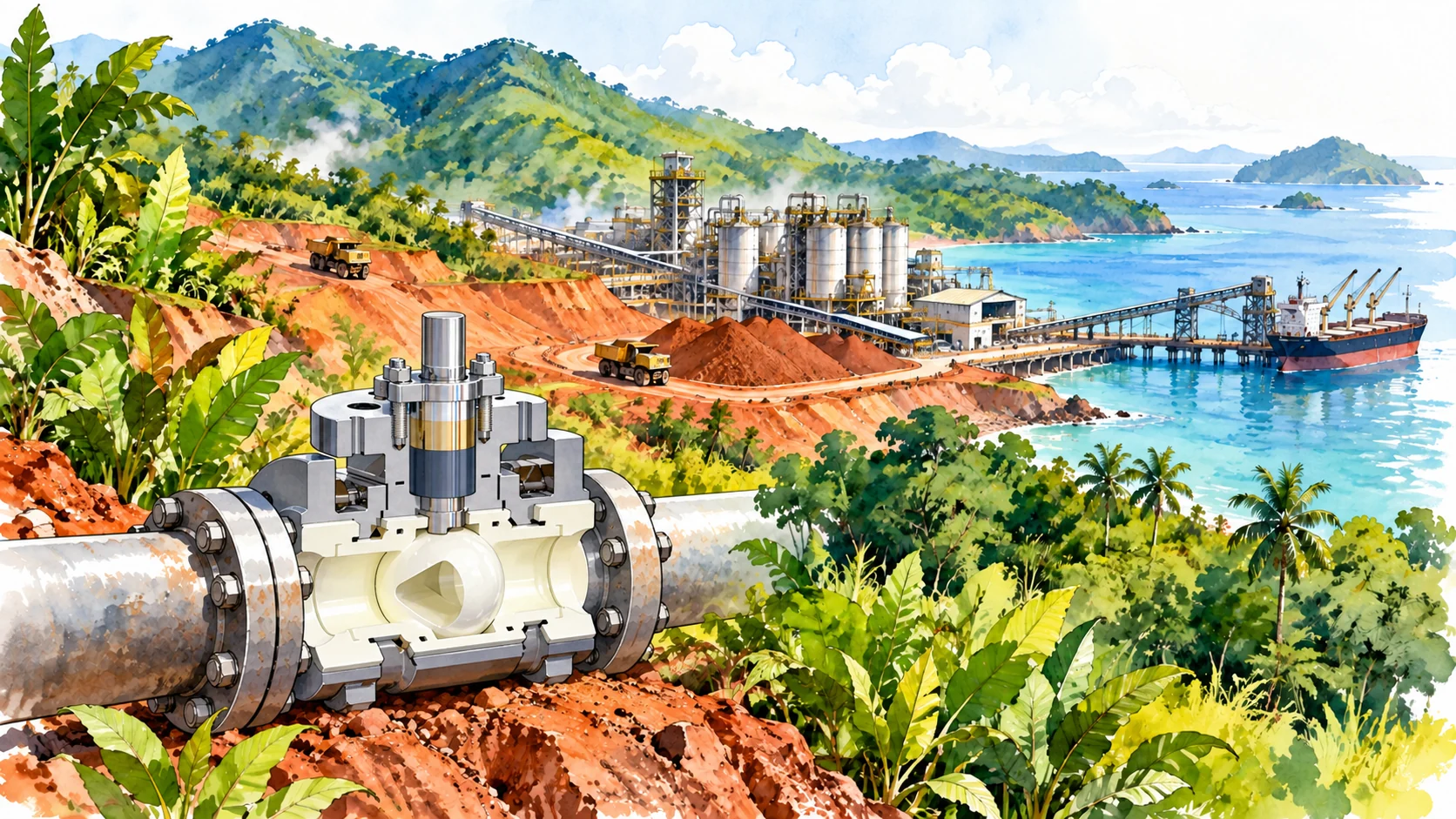
The ceramic valves were already working in one part of the project. The next question was whether a similar material approach could improve the tailings neutralization duty, where the metal valves were leaking after a short service interval.
KOWOV's laterite nickel account follows that progression from initial slurry transportation to a separate control-valve trial and wider adoption.
The medium changes through processing
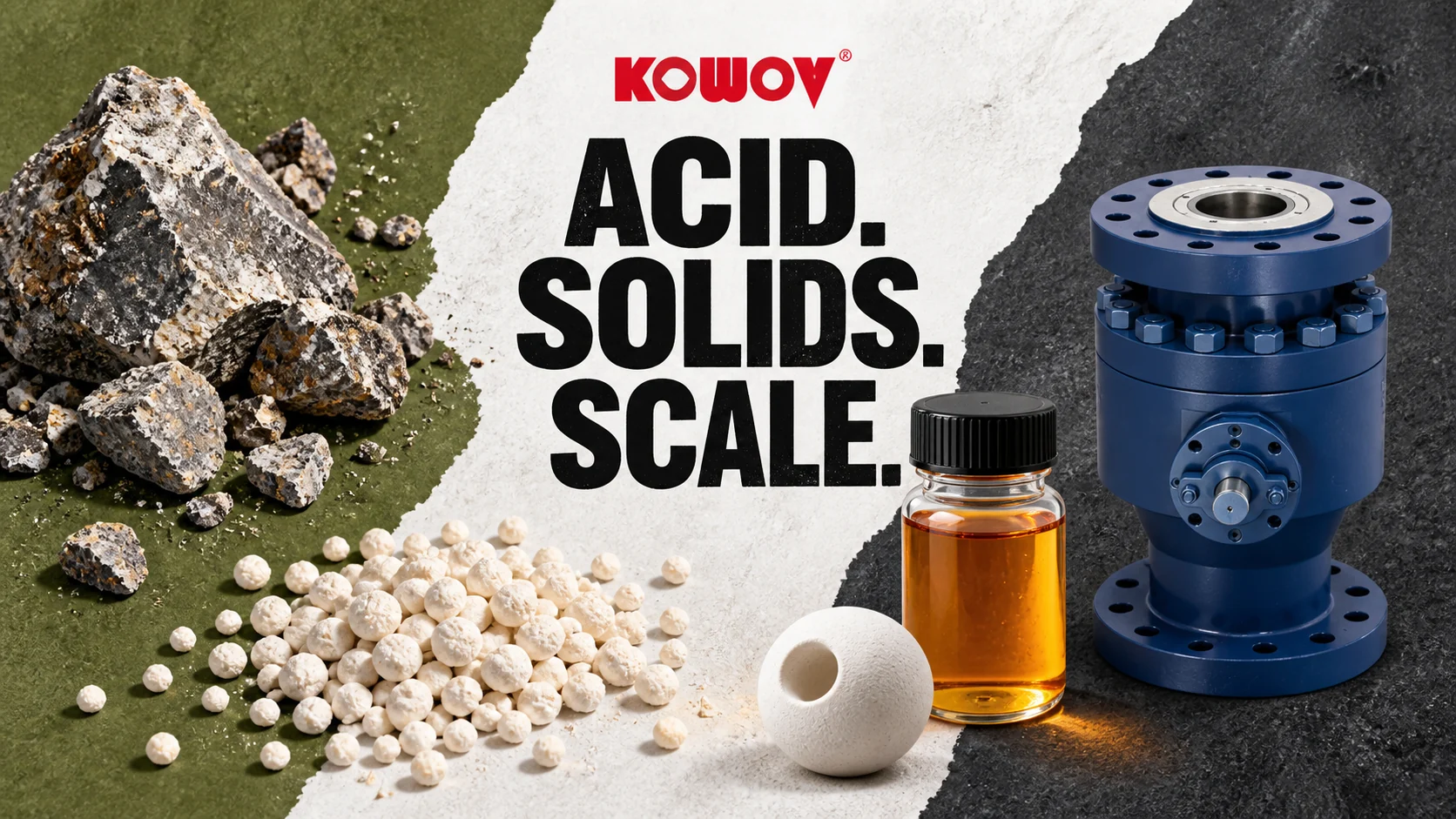
Hydrometallurgical nickel processing can involve acidic liquids, suspended solids and precipitated material. The chemistry and particle behavior change between leaching, separation and neutralization.
The neutralization valve therefore needs its own material review. A reference to sulfuric acid elsewhere in the process does not establish the acid concentration or operating conditions at this position. Temperature, dissolved constituents, solids and flow conditions must be specified locally.
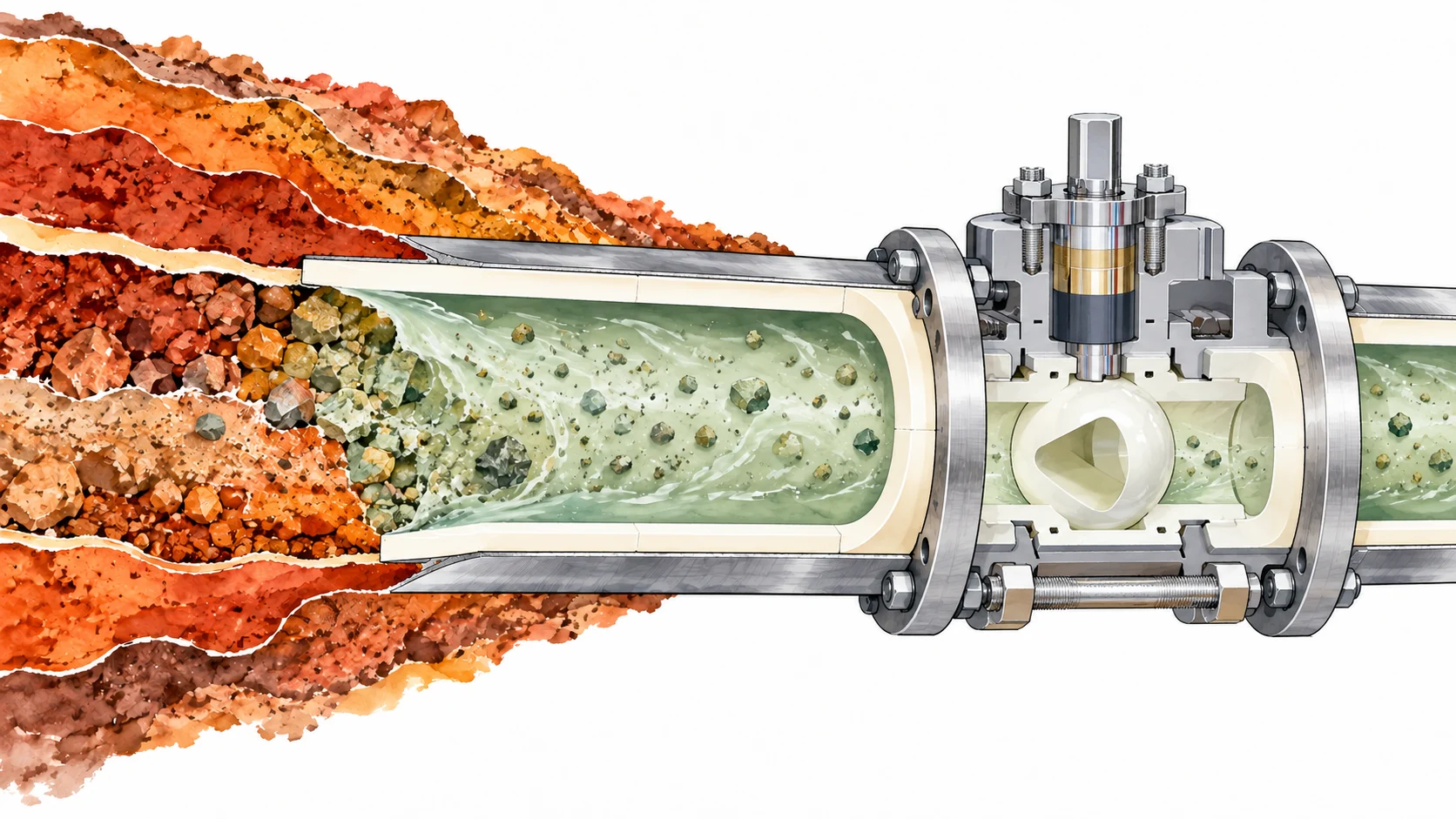
Where coatings are damaged by particle erosion, the underlying material may become exposed to the liquid. Ceramic wetted components offer a different construction to review, with the remaining seals and interfaces included in the compatibility assessment.
The initial installation and later trial
The account records a purchase of 26 KOWOV ceramic ball valves in 2020 for slurry transportation. It reports eighteen months of service without customer complaints before the discussion turned to another part of the plant.
In the tailings neutralization system, the earlier metal-seated valves reportedly developed internal and external leakage within about two months. The customer returned to KOWOV for a technical consultation.
Two DN150 ceramic control valves entered a trial in January 2022. Following satisfactory results, the customer began further replacements in November of the same year. The published follow-up records more than 160 KOWOV ceramic valves at the site.
That installed total covers successive purchases. It should not be treated as an identical service interval for every unit or as a statement about every valve duty in the project.
Review the whole wetted construction
The FCCV1 ceramic ball valve provides a starting point for suitable abrasive and corrosive service. Where the protection of the metal boundary requires a different lining arrangement, review the FCCV8 double-lining valve. If deposits dominate, the FCCV6 single-seat construction is another route to discuss.
The historical article does not identify the model codes of every supplied valve. These are relevant current product options, subject to the actual duty and configuration.
Build the cost comparison from the service record
The original account describes a higher initial purchase cost for ceramic valves and lower replacement demand. A useful lifecycle comparison records the same operating period, parts, labor and causes of shutdown. It should distinguish scheduled maintenance from valve failure.
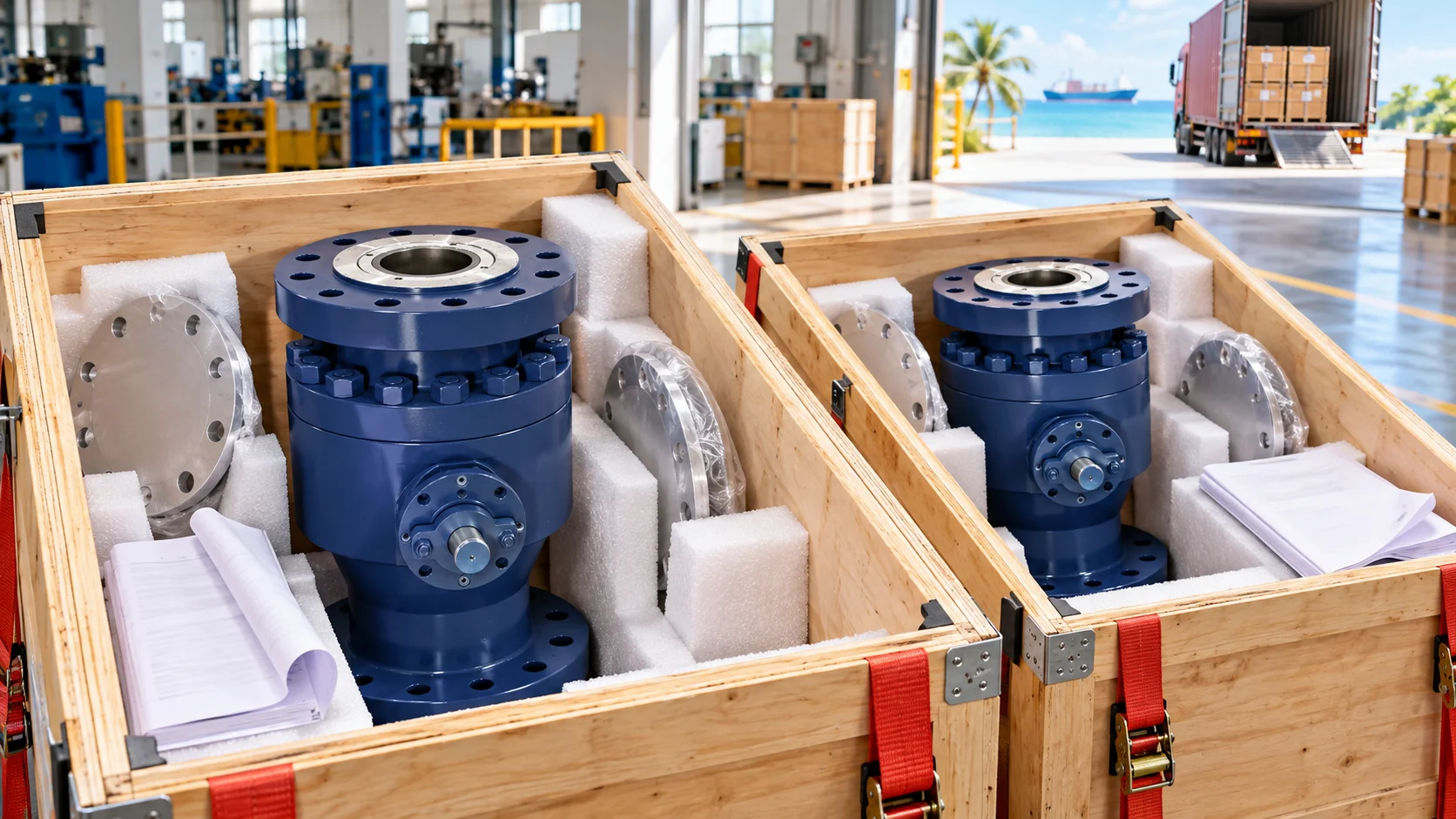
For a quotation, send the medium composition, solids, flow range, pressures and temperature for each position. Add the required control and leakage performance. The Indonesian project-delivery story describes the separate work of evaluating a supplier and preparing an overseas valve package.
Discuss your application
Review the neutralization stream, solids and current leakage problem