Ceramic valves in the FCC catalyst circuit
Three refining application accounts examine the combination of catalyst wear, process heat and valve reliability
On this page
Hot catalyst particles make valve selection in an FCC circuit highly specific to the position. Temperature, particle loading, pressure difference and deposits vary across the reaction, regeneration and associated process systems. A useful replacement account identifies the local failure rather than attributing every problem to the brand of the previous valve.
KOWOV's published FCC article brings together three refining application accounts. Read together, they show how service interval, procurement and maintenance support enter the decision.
The trim sees both particles and operating position
Fluid catalytic cracking circulates catalyst between reaction and regeneration. Valves associated with those systems can encounter abrasive solids, heat and deposits. A valve held partly open may concentrate erosion differently from a valve used mainly for isolation.
The body rating, trim materials, seat arrangement and actuator therefore need to be reviewed as one configuration. Ceramic construction can be relevant where wear limits the existing valve's useful life, but the process temperature and thermal cycle remain essential selection inputs.
Three application accounts
In the first account, a Sinopec refining subsidiary reported repeated erosion, internal damage and sticking with a metal-seated valve. KOWOV's report describes a service interval below one year before replacement and approximately three years after ceramic valves were introduced.
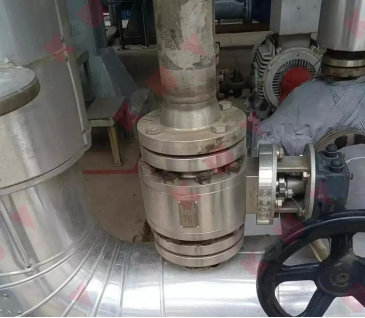
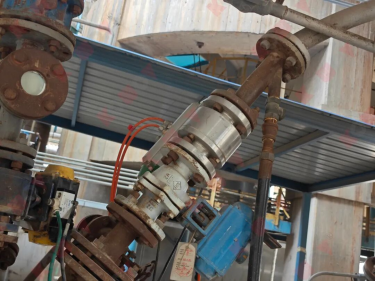
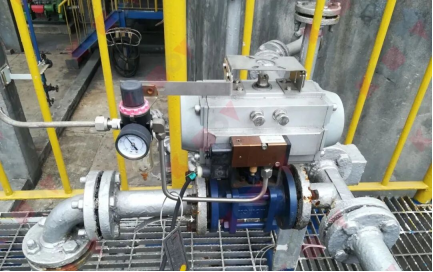
The second account concerns an energy and chemical company in Shaanxi. Its comparison recorded more than eighteen months of service for both the imported ceramic valve and KOWOV's ceramic valve. The commercial decision then included procurement cost, delivery and spare-parts support.
In this application, the useful change was an alternative supply with a comparable reported service interval. Purchasing teams could evaluate the replacement and maintenance arrangement without first requiring a longer operating life.
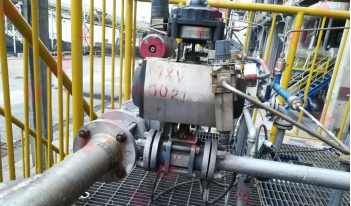
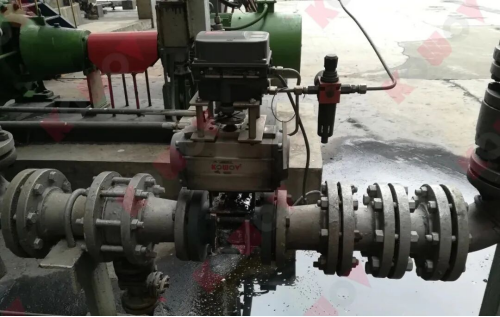
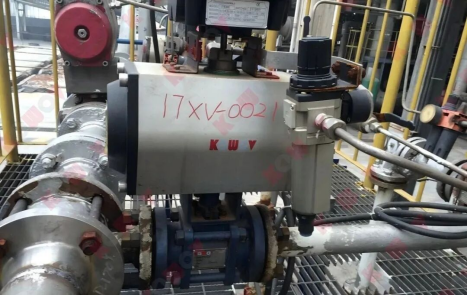
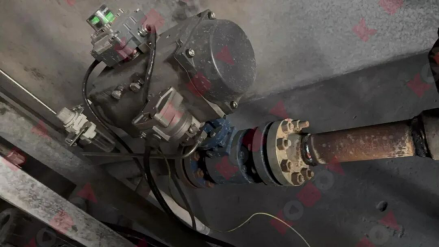
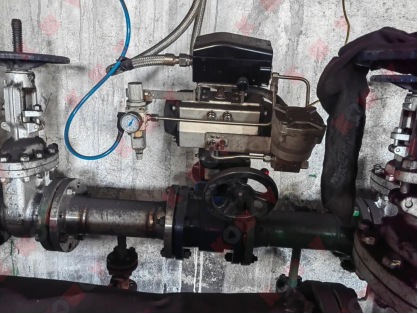
The third account describes another refining base introducing KOWOV ceramic valves in selected FCC-related positions. The published story emphasizes purchasing and maintenance benefits, but does not give a complete duty schedule or a model-by-model service record.
Match the current product to the actual position
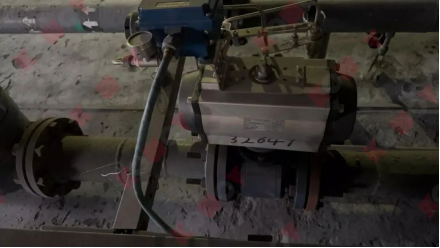
For a current demanding particle-bearing duty, review the FCCV5 high-temperature, high-pressure ceramic ball valve. Selection begins with the particular FCC-related valve position, rather than treating all three plant accounts as a single model specification.
Provide the medium, temperature range, upstream and downstream pressures, expected particle loading and operating cycle. For regulation, add minimum, normal and maximum flow. Include any coking, torque increase or changes in movement observed before the existing valve failed.
Compare support on a defined basis
A procurement comparison should use the same valve scope: body and trim configuration, actuator, inspection documents, spare parts and delivery destination. Compare quoted lead times for that order rather than treating a historical delivery interval as a standing promise.
For lifecycle assessment, retain the actual replacement dates and maintenance work. Separate planned changes from failures and compare like operating periods. KOWOV can then use the duty evidence to propose a trial with specific control, leakage and inspection criteria.
Discuss your application
Review the catalyst-bearing duty and the required valve configuration