Controlling lime slurry in ammonia evaporation
A soda ash producer’s move from repeated valve maintenance to a different ceramic trim design
On this page
The control valve in an ammonia-evaporation line has to do more than close against lime slurry. It must move predictably while hard particles pass through it, then maintain the process response as the trim accumulates operating hours.
At a Shandong soda ash producer, KOWOV's application account describes a replacement project focused on precisely that combination: erosion resistance, shutoff and control accuracy in hot lime milk.
The duty behind the replacement
| Item | Reported condition |
|---|---|
| Medium | Lime milk containing hard particles |
| Temperature | 90–120 °C |
| Pressure designation | PN16 |
| Function | Flow regulation with a demanding shutoff requirement |
PN16 is a pressure designation, not a statement of the pressure difference at the control position. A replacement assessment also needs the actual upstream and downstream pressures, normal flow and required operating range.
The plant reported erosion, lining damage and unsatisfactory control behavior with the earlier valve arrangement. The combination made maintenance expensive and complicated the operating team's work.
From the site visit to a C-type trial
KOWOV's team visited after the 2019 Spring Festival with samples and material proposals. The discussions focused on the medium and the operating duty before a trial configuration was agreed.
The first ceramic C-type control valve entered trial operation in April 2020. According to the published account, it exceeded one year of service and produced steadier regulation over subsequent operating cycles. The customer later expanded its use of C-type ceramic trim and silicon-carbide ceramic control configurations.
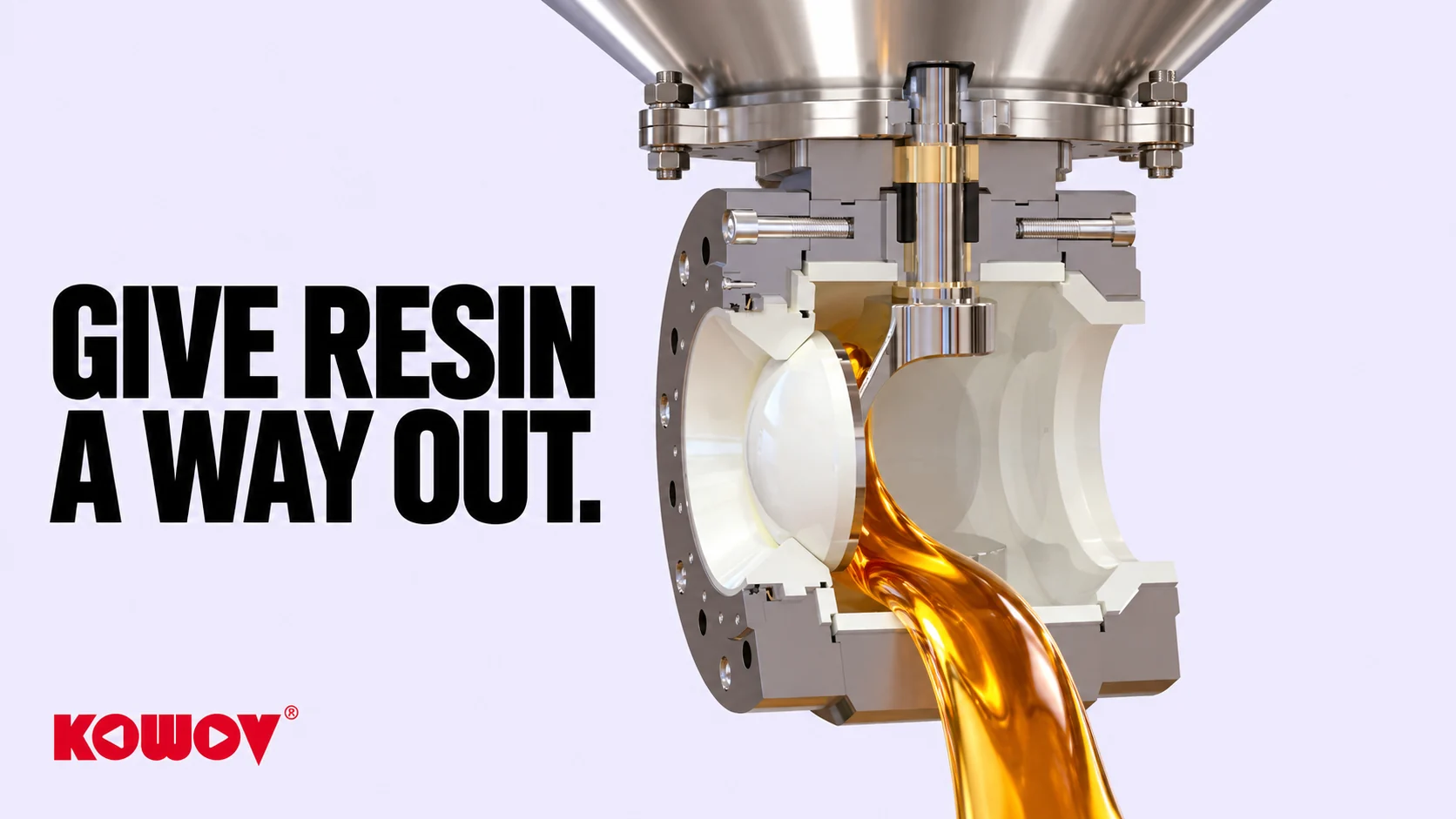
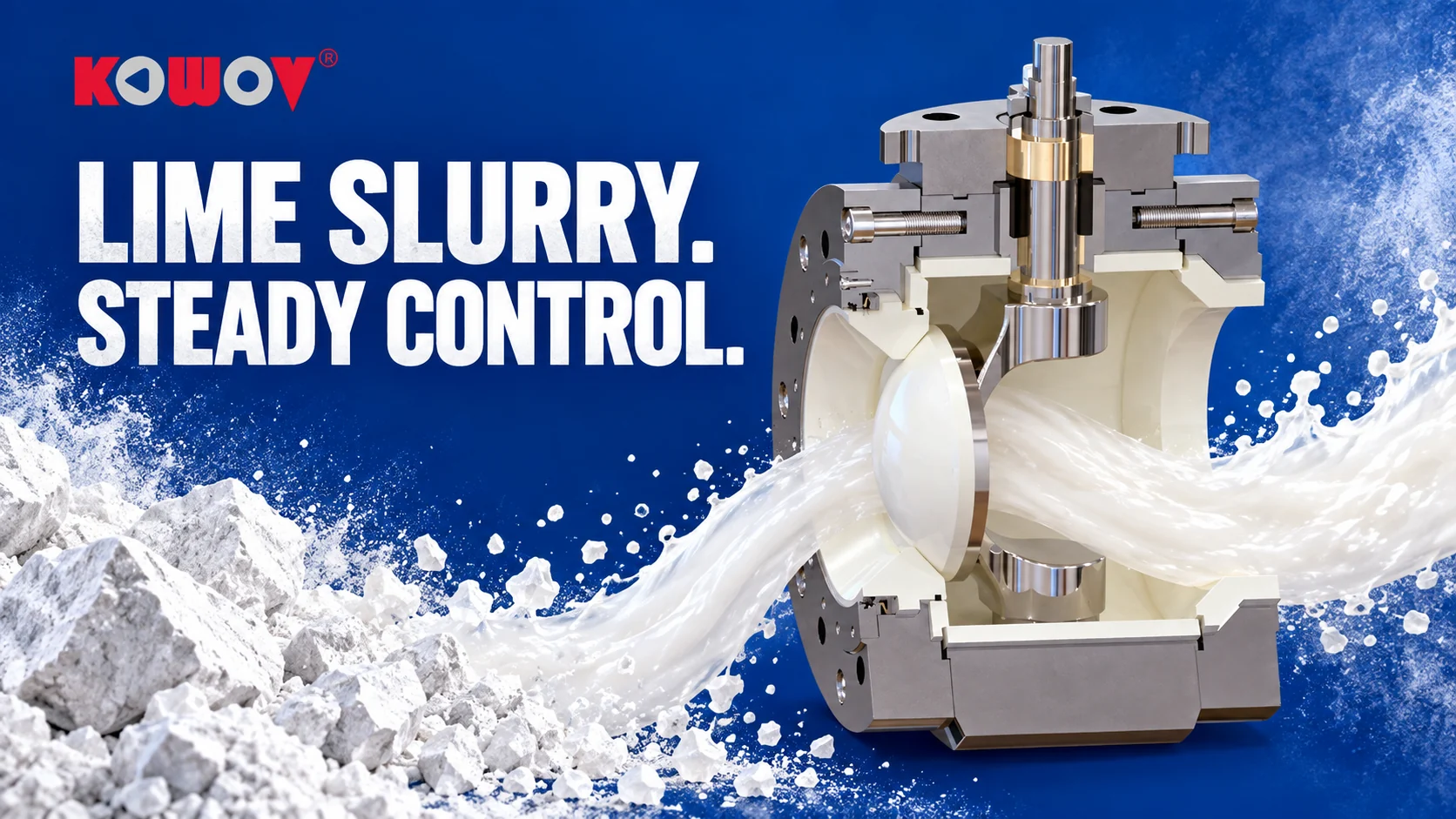
The current FCRV ceramic C valve uses a C-shaped rotor supported above and below. Its geometry is intended for difficult particles, scaling and crystallization, while keeping the stem out of the primary erosion path at small openings. Those features explain why it is relevant to the lime-slurry discussion.
Judge the control response at operating conditions
A useful trial compares the relationship between valve movement and process response over the normal operating range. It should record whether the valve follows a command smoothly, whether the control loop settles and whether manual intervention becomes necessary.
Shutoff performance needs its own acceptance conditions. A leakage class is meaningful only with the applicable test method and configuration; it should not be substituted for a promise of zero leakage through every operating condition.
The old case also records savings and industry recognition. For a purchase decision, the more transferable evidence is the installation date, service interval, inspected condition and behavior of the control loop. Those can be compared directly with the next plant's requirements.
Prepare a lime-slurry enquiry
Provide the solids content and particle size, temperature range, minimum and maximum flow, both pressure readings and the required shutoff performance. Include photographs of deposits or damaged lining, along with actuator and positioner information.
For a wider view of the same industry, the carbonation-tower trial follows two ceramic ball valves from an initial sales discussion through scheduled inspection and later service.
Discuss your application
Match the C-valve construction to your lime-slurry control range