Sand in the mash: an alcohol plant’s valve problem
A filter-press feed valve handling cassava mash required attention to the sand, the flow range and the trim geometry
On this page
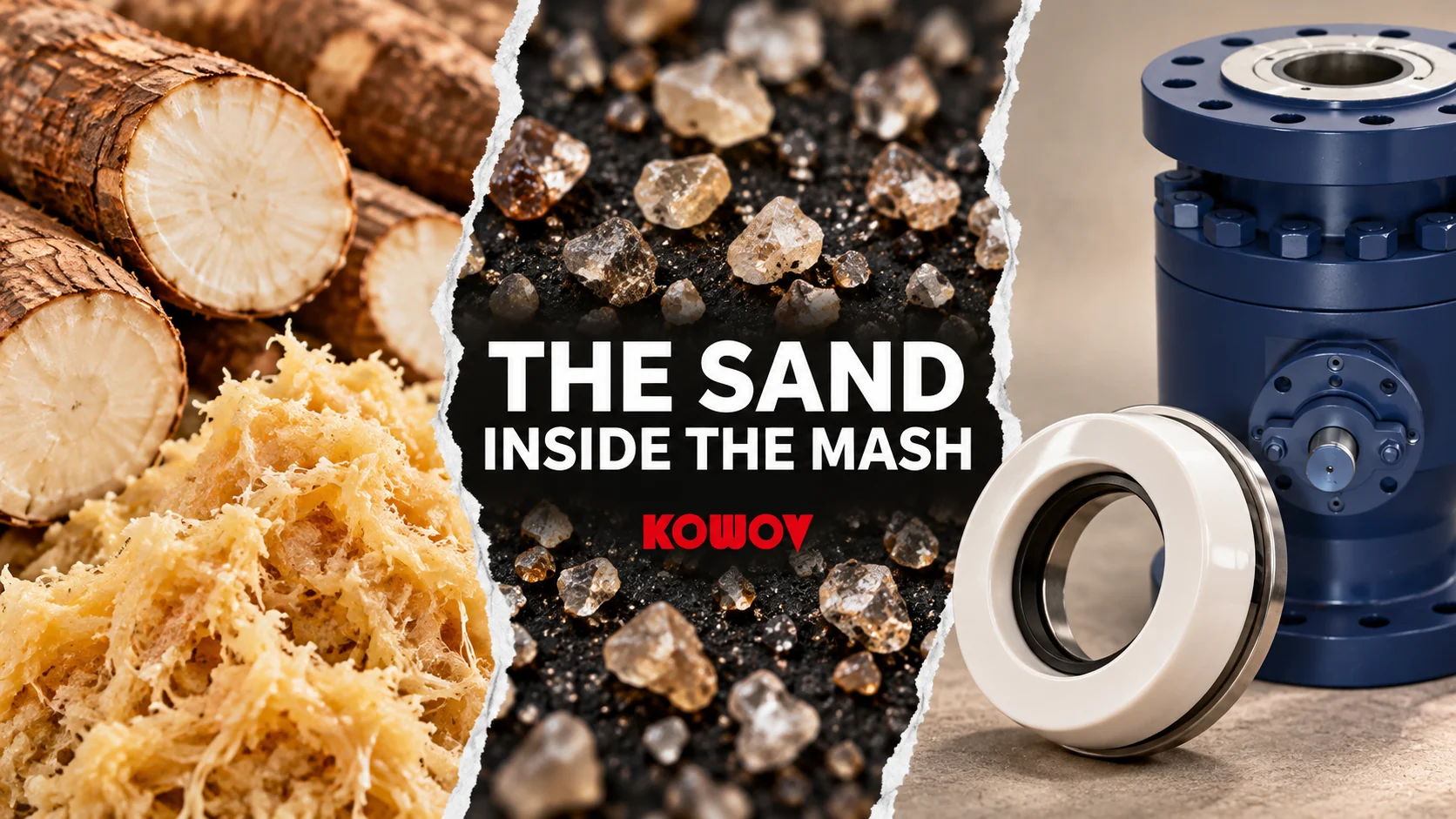
The liquid was cassava mash. The wear problem came from the sand inside it. At an alcohol-production unit, a filter-press feed valve had to regulate the mash over a broad flow range while abrasive particles crossed the trim.
KOWOV's account identifies the application at a COFCO production unit. It follows an FCCV1 trial on filter press No. 9 and the inspections that supported a later replacement decision.
The duty was more specific than “slurry”
| Item | Reported condition |
|---|---|
| Medium | Liquefied cassava mash containing sand |
| Temperature | Below 85 °C |
| Inlet / outlet pressure | 0.72 / 0.70 MPa |
| Flow | 3 m³/h minimum, 30 m³/h normal, 51 m³/h maximum |
| Valve size | DN80 |
At the listed operating point, the pressure difference is approximately 0.02 MPa. The flow range and the abrasive solids therefore deserve close attention alongside the pressure rating.
The site reported erosion, jamming and fractured trim with earlier valve arrangements. Photographs and the location of damage helped distinguish particle wear from obstruction or an excessive mechanical load during movement.
Why the FCCV1 was proposed
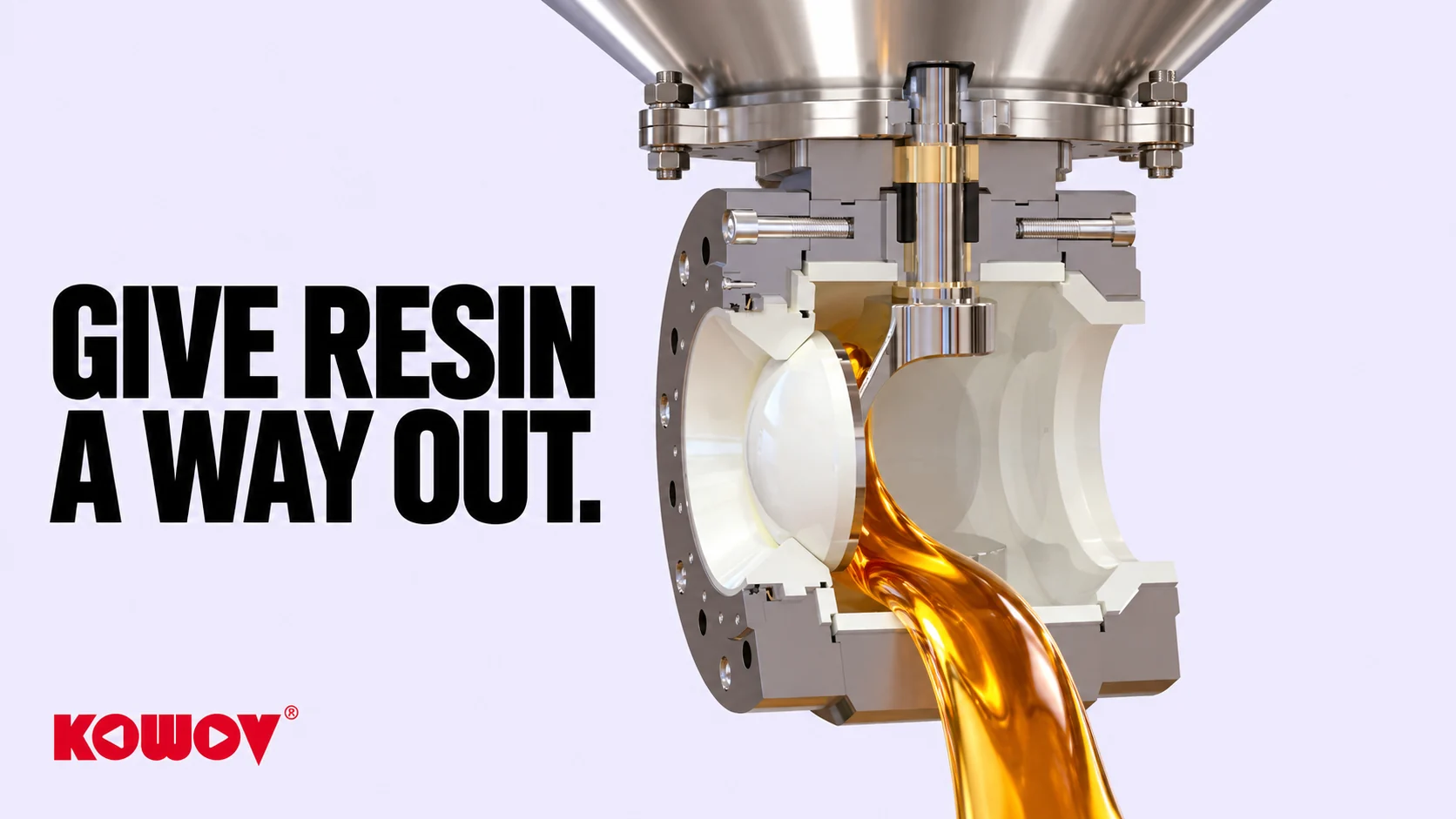
The FCCV1 ceramic ball valve uses ceramic wetted components and a precision-finished sealing arrangement for suitable corrosive and abrasive duties. The proposal addressed the sand-bearing stream and the required regulation, rather than relying on the nominal temperature rating alone.
The customer agreed to a three-month trial with a six-month warranty. The valve was selected through the customer's procurement process and installed in July 2022.
The selected flow direction and maintenance procedure must match the approved valve arrangement. During inspection, check where sand has accumulated and which parts of the sealing pair show wear.
The inspection sequence
The first inspection, on 17 August 2022, reported no visible wear. Further inspections on 21 September and 5 December recorded satisfactory condition after approximately five months of use.
A July 2024 follow-up reported that the valve remained in operation, extending the record from the early inspections to approximately two years of service.
What another mash application should establish
Send the solids and sand description, temperature, full flow range and both pressure readings. Include startup and filter-press cycle information, since the normal condition may not represent every part of the operation.
At trial inspection, examine the ball, seats and lining, and record whether the valve has required manual intervention. The foundry sand case provides a related example of particle characteristics changing the design decision.
KOWOV can use those details to prepare an FCCV1 assessment and quotation with a defined valve, actuator and acceptance scope.
Discuss your application
Assess the sand-bearing mash and filter-press flow range