Ceramic Valve Solutions for Salt Chemical Thickeners
Reliable underflow, overflow and slurry control for chloride-rich brine, salt mud, lime slurry and scaling solids
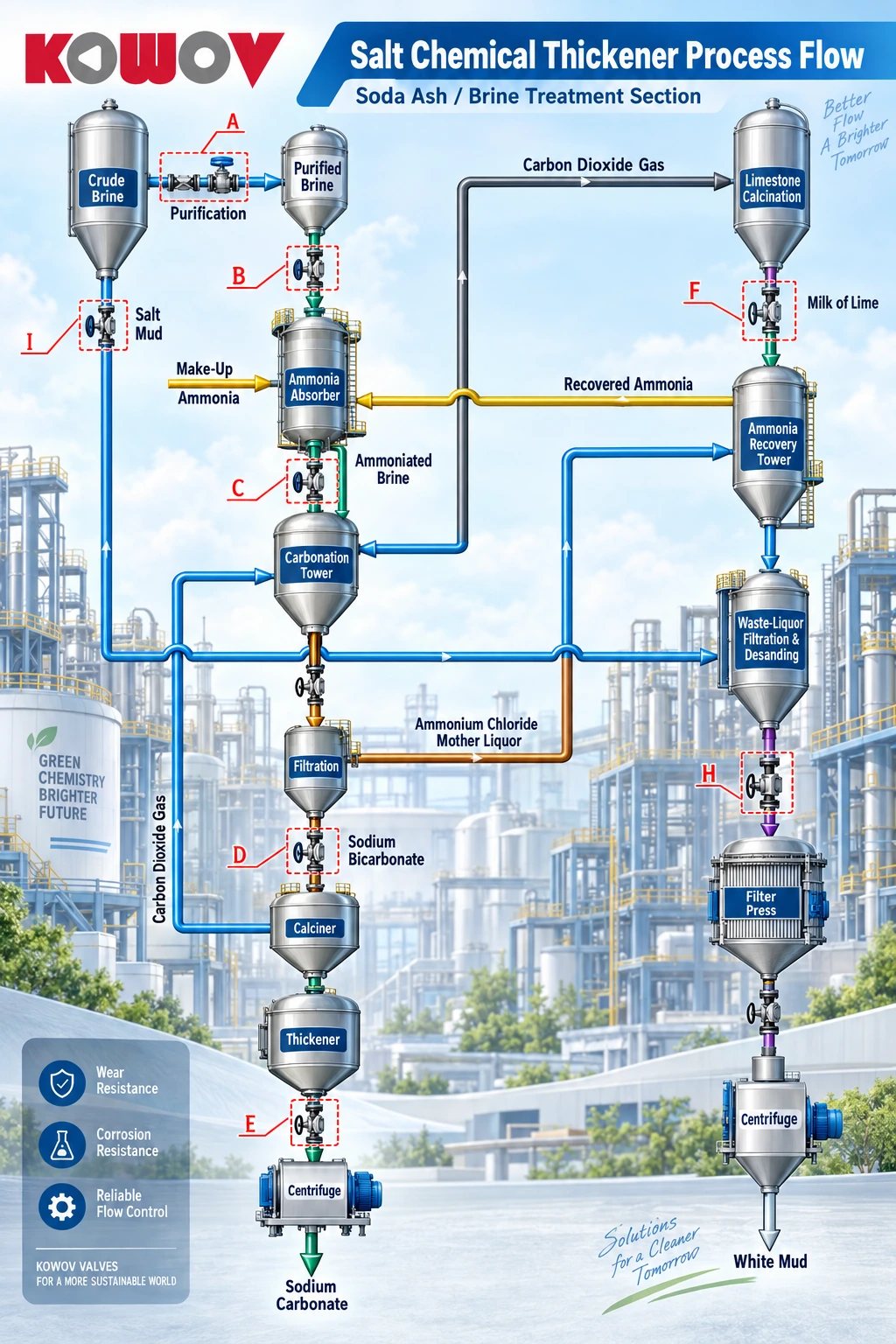
A thickener, also known as a settling thickener, and commonly referred to as a clarifier or pre-liming tank in the soda ash industry, is a gravity-based solid-liquid separation unit closely integrated with the lime slurry process. Lime slurry participates in chemical reactions that generate large quantities of flocculent precipitates, including Mg(OH)₂ and CaCO₃. The thickener concentrates the suspended slurry and separates the clarified liquid, making it a critical settling unit in brine purification and ammonia distillation processes
Operating Conditions
Thickeners, also referred to as clarifiers or pre-liming tanks, serve as the principal gravity-settling equipment within brine systems. They are installed in the three main process sections of brine purification and filtration, lime-slurry/mother-liquor reaction, and wastewater treatment, where they perform solid-liquid separation, slurry thickening, and impurity retention
| Parameter | Value | Classification | Specification / Characteristics |
|---|---|---|---|
| Medium | Quicklime/ammonium chloride slurry | Liquid-solid two-phase | Corrosive and abrasive |
| Pressure range | 6-16 bar | Pressure class | Class 150 / PN16 |
| Differential pressure | ≤6 bar | Nominal diameter | DN25-DN200 |
| Temperature range | <100°C | - | No thermal shock |
| Medium Property | Details |
|---|---|
| Chemical composition | Ammonium chloride, sodium chloride, calcium chloride, quicklime, and other precipitates |
| Corrosive components | High chloride-ion concentration (Cl⁻) and ammonium-ion corrosion |
| Corrosiveness (pH) | pH 8-10 |
| Solids content | 15%-20% |
| Particle size | 20-80 μm |
| Particle hardness | Approximately Mohs 2.5-3 |
Special Operating Conditions
Chemical Corrosion
The medium contains relatively high concentrations of chloride ions (Cl⁻), organic acids, heavy metals, and other corrosive substances. Under high-salinity conditions, typically 3%-8% or even higher, conventional carbon steel and standard stainless-steel equipment are highly susceptible to severe chloride-induced pitting and stress-corrosion cracking
Physical Abrasion
The medium contains large quantities of hard solid particles, such as silica and carbonates. During high-velocity flow and pumping, these particles continuously erode pipelines, valves, pump bodies, and other flow-path components. Materials with high hardness and excellent wear resistance are normally required
High Viscosity with a Strong Tendency to Crystallize and Block
The medium is a high-viscosity paste. During dehydration or drying, evaporation of water causes the material to enter a plastic state, sharply increasing surface adhesion and allowing the material to accumulate on production equipment
Crystallization and Scaling
Scaling is not caused merely by physical adhesion. It results from the combined effects of chemical conversion through carbonation, physical expansion caused by supersaturation and precipitation, and composite fouling. This mechanism develops rapidly and generates intense expansive stress, making it a major cause of frequent unplanned shutdowns, equipment wear, and failure of protective coatings in the chlor-alkali and environmental-treatment sectors
Equipment Hazards
The medium is mildly alkaline and readily absorbs carbon dioxide (CO₂) from the air or process gas, triggering carbonation and producing calcium carbonate precipitates. These deposits have relatively high mechanical strength, approximately Mohs 3, and strong adhesion
Engineering Hazards: During shutdowns, calcium carbonate can crystallize within pipelines, valve clearances, and micropores in protective coatings, forming dense, hard scale. This progressively reduces the internal flow diameter or can completely seize the equipment. Volumetric expansion during crystallization may also crack and detach protective coatings, compromising equipment sealing integrity
Keywords: Chlor-Alkali Industry | Soda Ash Industry | Brine Purification | Ammonia Distillation | Carbonation Reaction | Thickener | Lime-Slurry Distributor | Distillation Column
Process Pain Points and Key Opportunities
Existing Valve Materials and Types
Commonly used valves include butterfly valves made of cast iron, HT200 gray cast iron, or WCB cast steel; metal hard-seated ball and globe valves with WCB bodies; and conventional rubber-lined butterfly valves using natural or hard-rubber linings
Problems with Existing Valves
- External leakage: Corrosion may perforate the valve body, while packing failure allows brine or lime slurry to escape
- Internal leakage: Incomplete valve shutoff allows thickener underflow slurry to enter the clarified-overflow line, increasing downstream brine turbidity
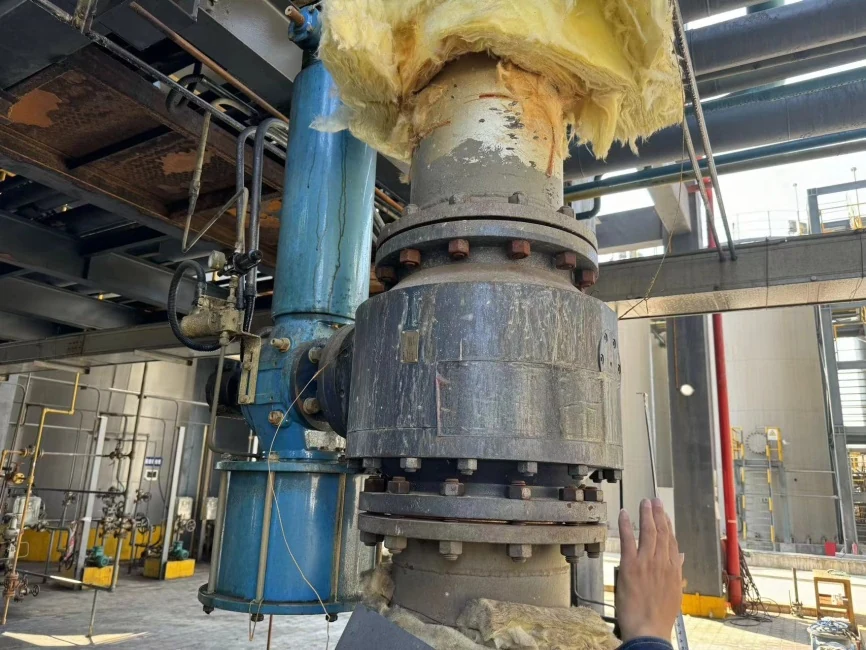
- Operating failure: Crystallized scale causes the valve to stick and prevents opening or closing, often requiring manual hammering on site
- Frequent blockage: Drain valves become obstructed, preventing proper discharge and causing excessive sludge loading at the thickener cone bottom and overloading the rake mechanism
Replacement Cycle and Service Life of Existing Valves
Valves handling thickener underflow slurry typically last only 3-6 months, while valves in clarified-overflow pipelines generally last 8-12 months. Frequent maintenance and replacement result in high operating costs. Valve failure may cause turbid overflow from the thickener and allow salt sludge to enter the purified-brine system, directly affecting the stability of brine purification, the critical front-end process
Losses Caused by Unplanned Shutdown Maintenance
- Direct maintenance costs: Emergency spare-parts procurement, urgent labor, system cleaning, and disposal of hardened deposits
- Production-capacity losses: As brine purification is the upstream process, valve failure may force load reduction or shutdown. Additional time is required after maintenance to restore brine-feed capacity, directly reducing soda ash output
- Material and energy losses: Crystallized salt and ammonia-containing materials may be scrapped, while steam and electricity continue to be consumed ineffectively during shutdowns
- Downstream process losses: Turbid thickener overflow allows calcium and magnesium impurities to pass downstream, causing scaling in distillation columns and pipelines, accelerating corrosion and abrasion, and increasing ammonia and steam consumption
- Safety and environmental losses: Media leakage creates safety hazards, increases solid-waste and wastewater-treatment volumes, and disrupts production schedules
Why Choose Ceramic Valves?
Superior Wear Resistance
Structural ceramics achieve a hardness above HRA 87, providing approximately 266 times the wear resistance of manganese steel and 172 times that of high-chromium cast iron. Their exceptional hardness withstands the continuous erosion and abrasion of solid particles, prevents media leakage, and substantially reduces valve replacement frequency
Excellent Corrosion Resistance
Structural ceramics are inorganic, non-metallic materials with exceptional chemical inertness. They resist corrosion from acids, alkalis, chlorides, and other salts, making them suitable for most corrosive media encountered in chlor-alkali and soda ash plants
Smooth Surface and Low Adhesion
Structural ceramics possess inherent lubricity and self-cleaning surface properties, effectively reducing material adhesion and accumulation. Their hardness of up to HRA 90 withstands continuous particle erosion and helps maintain precise feed-flow control
Improved Process Quality
The high mechanical strength and smooth surface of structural ceramics reduce the adhesion, abrasion, crystallization, and scaling of calcium and magnesium salts. Highly precise sealing surfaces provide close contact between the valve ball and seats, preventing media leakage. Even after prolonged operation, the valve can maintain reliable sealing and improve product quality consistency between production batches
Conclusion: Ceramic ball valves and ceramic C-port valves provide reliable protection for the safe, stable, and continuous operation of chlor-alkali and soda ash plants, significantly reducing shutdowns and maintenance requirements
Commonly Used Products
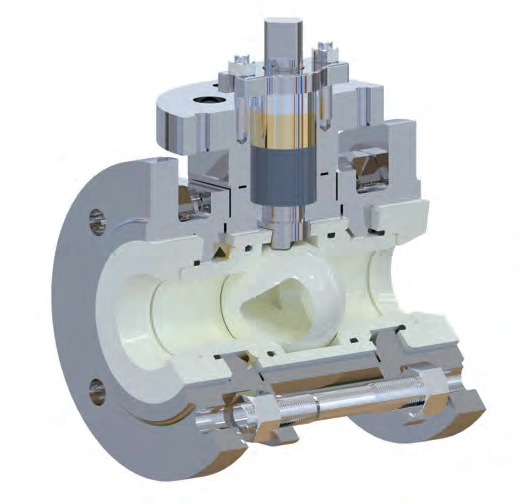
FCCV1
Standard Ceramic Ball Valve
A proven and versatile ceramic ball valve with a classic design, suitable for both on/off and flow-control service. It can be used in most applications with operating temperatures up to 180°C and pressures up to 5.0 MPa, and is particularly effective for corrosive media containing abrasive solids
- Size range: DN15-250 (½″-10″)
- Shut-off class: Class IV or higher
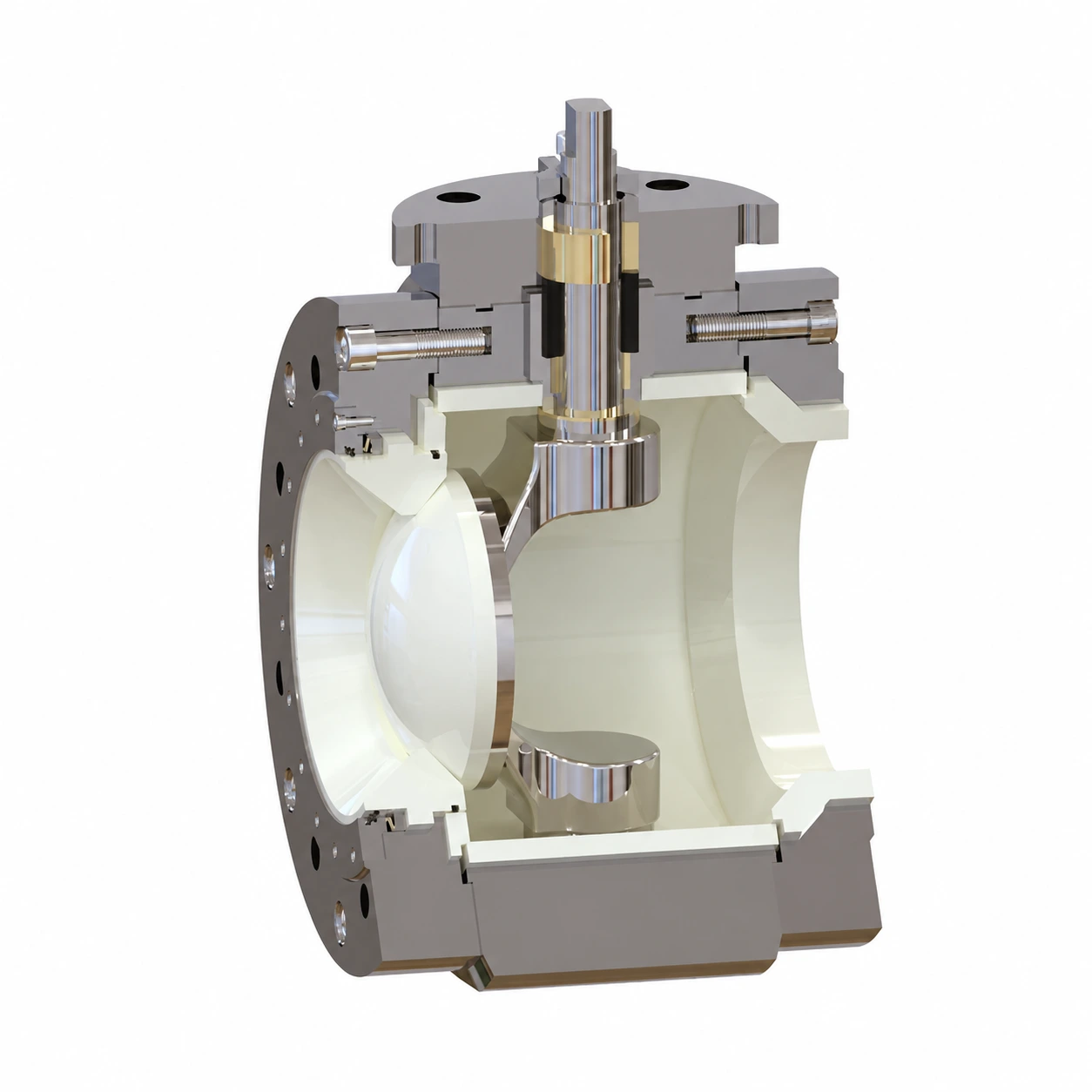
FCRV
Ceramic C-Ball Valve
The valve features a special C-shaped structure. Its ball consists of a C-shaped metal support mechanically connected and securely fitted to a one-piece ceramic ball segment. The ceramic segment protects the metal support from direct erosion by the process medium
The concentric design keeps the ceramic ball segment in continuous contact with the seat during operation, allowing it to scrape deposits from the sealing surfaces and maintain reliable shut-off. It is particularly suitable for media prone to crystallization, scaling, agglomeration, high solids loading and valve jamming. Its cavity-free construction minimizes material accumulation inside the valve
- Size range: DN50-400
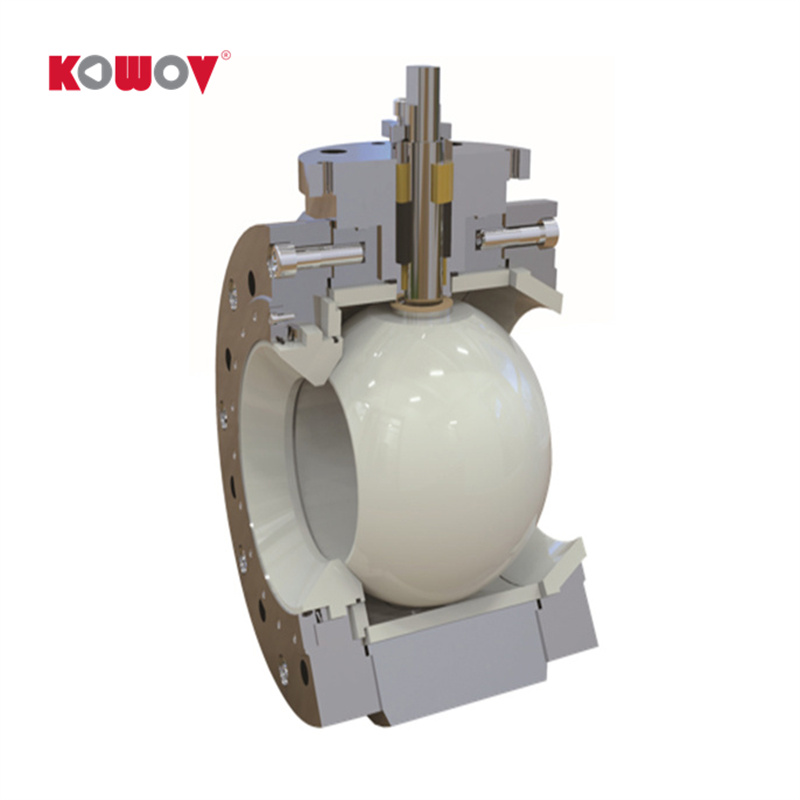
FCCV6
Single-Seat Ceramic Ball Valve
This cavity-free ceramic ball valve is designed for reliable control of highly viscous, crystallizing, scaling and agglomerating slurries and mineral slurries. Its unrestricted internal flow path supports smooth, stable, long-term plant operation
The scraping-action valve seat cleans deposited material from the ceramic ball during every opening and closing cycle,
View FCCV6Contact Us
Talk to our team about your salt chemical thickeners application
Discuss your application