Ceramic Valve Solutions for TiO2 Acid Digestion and Settling
Reliable isolation and slurry control for hot sulfuric acid, titanium-bearing mineral particles, acidic titanium liquor and concentrated settling sludge
Ceramic Ball Valve for Titanium Liquor
Ceramic Valve for Ilmenite Slurry
Titanium Slag Digestion Slurry Valve
Black Titanium Liquor Valve
Acid Digestion Tank Discharge Valve
Titanium Liquor Clarifier Valve
Settling Sludge Discharge Valve
Ceramic Valve for Concentrated Sulfuric Acid Slurry
Abrasion-Resistant Titanium Ore Slurry Valve
Corrosion-Resistant Titanium Liquor Valve
Pressure Filter Feed Slurry Valve
Cavity-Free Valve for Acidic Sludge
Ceramic C Valve for Settler Underflow
Valve for Sulfate-Process TiO2 Production
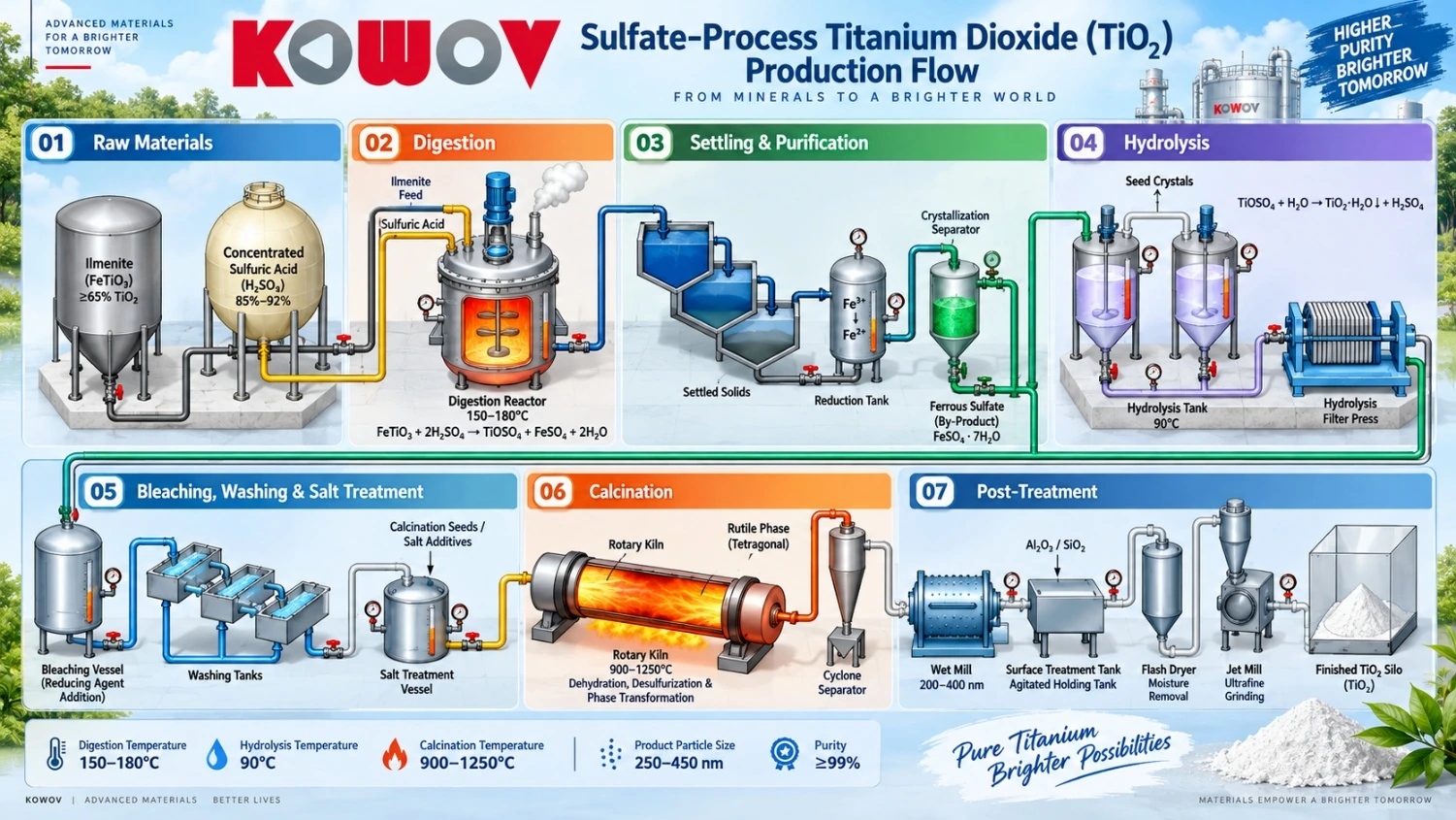
Digestion and Settling
Units: Digestion Settling Tank · Slurry Settling Tank
The digestion stage is the first critical process in sulfate-process titanium dioxide production. Its primary function is to convert solid titanium-bearing feedstock into a liquid titanium solution, providing the feedstock required for subsequent hydrolysis and TiO₂ production
In the settling section, insoluble impurities and colloidal particles are removed from the digestion product, known as black titanium liquor, by gravity settling
Operating Conditions
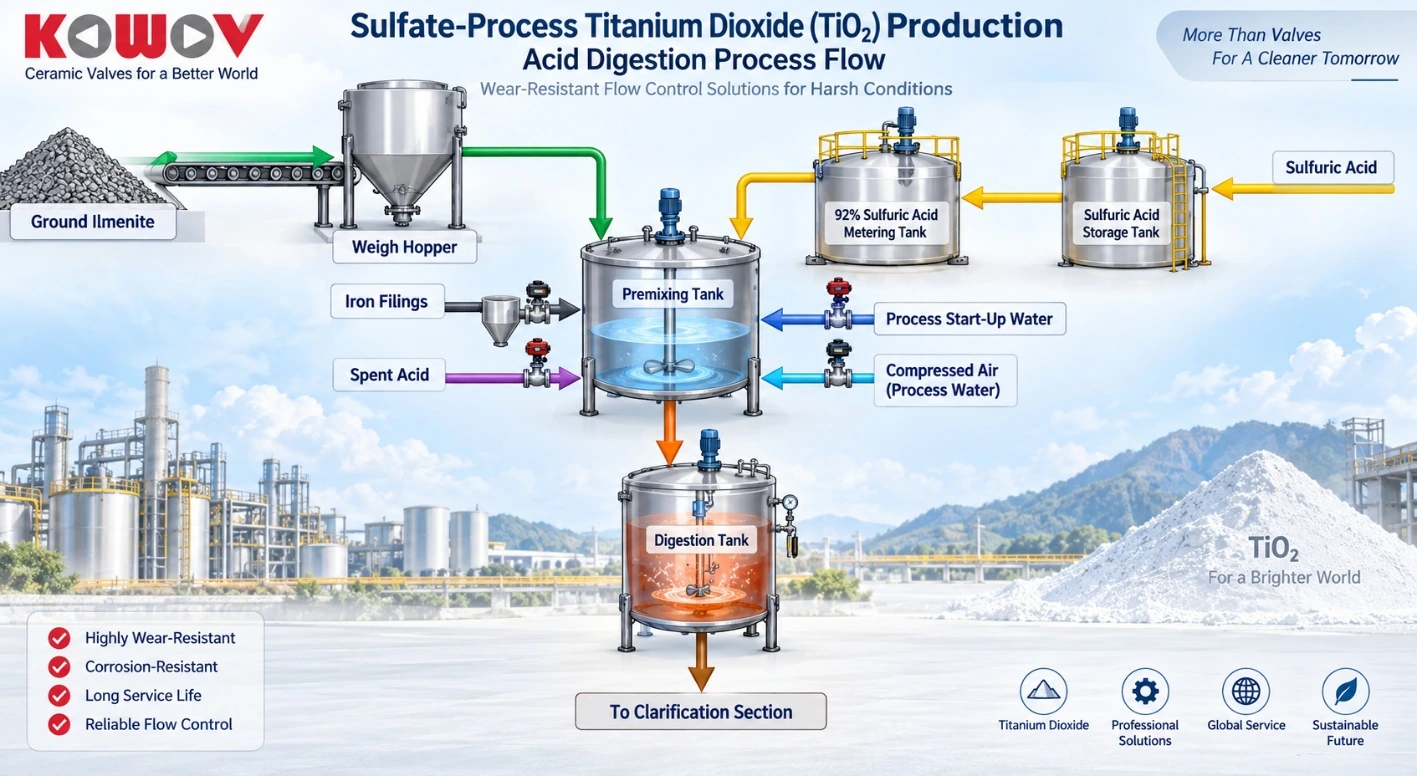
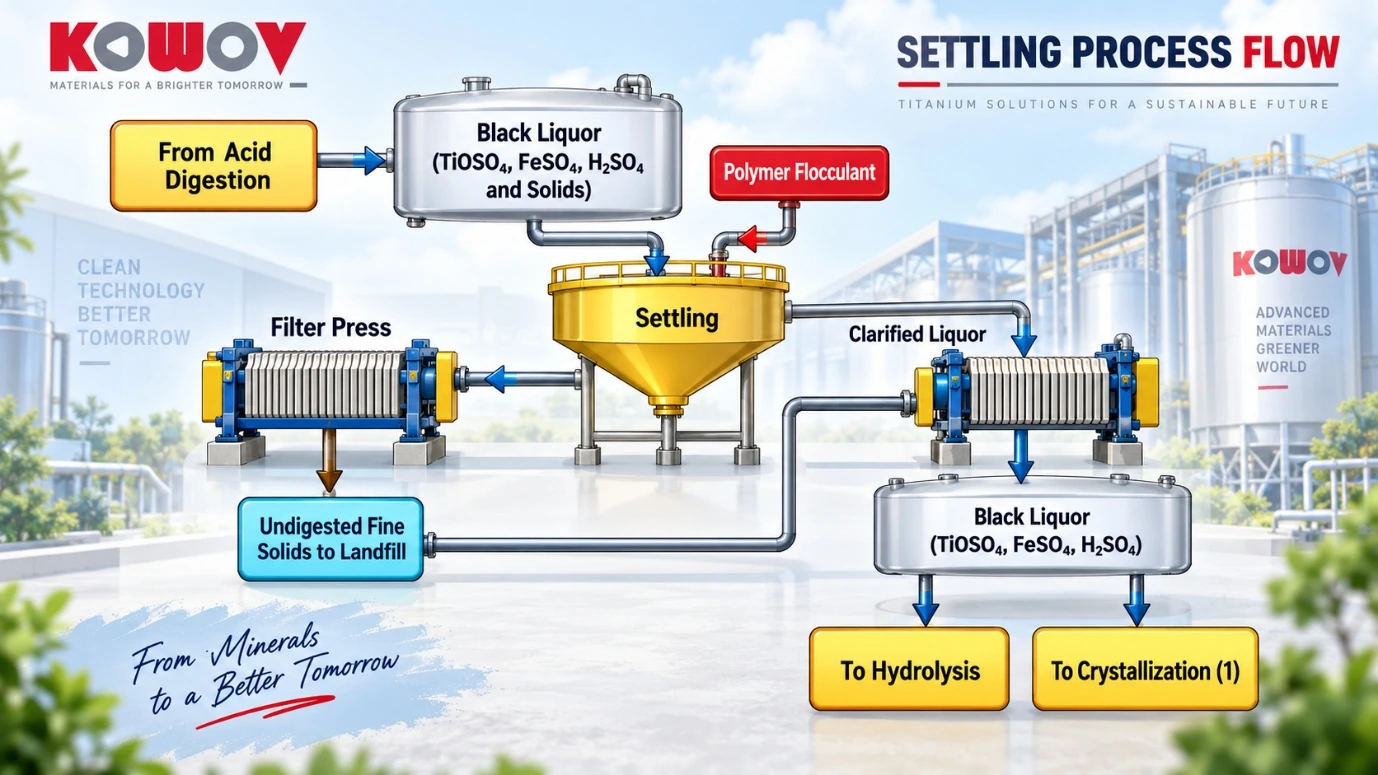
The digestion section presents an extremely severe corrosion environment, combining high-temperature concentrated sulfuric acid, solid-particle erosion, and thermal cycling. The settling section serves as a buffer between digestion and crystallization/hydrolysis. Although less corrosive than the digestion section, it still presents highly corrosive operating conditions
| Item | Value | State / Rating | Characteristics |
|---|---|---|---|
| Medium | Digestion slurry | Solid-liquid two-phase | Highly corrosive and highly abrasive |
| Operating Pressure | 6-16 bar | Pressure Rating | Class 150 / PN16 |
| Differential Pressure (ΔP) | ≤6 bar | Nominal Size | DN25-DN250 |
| Operating Temperature | ≤120°C | - | No thermal shock |
Medium Details
| Parameter | Description |
|---|---|
| Chemical Composition | 93%-98% concentrated sulfuric acid at 150-180°C |
| Corrosive Component | 93%-98% concentrated sulfuric acid |
| Corrosiveness | Approx. pH −1.57; molar concentration approximately 18 mol/L |
| Solids Content | 30%-40% |
| Particle Size | D50 >15 μm |
| Particle Hardness | Mohs hardness: approximately 5.5-6.0 |
Special Operating Conditions
Chemical Corrosion
Chemical corrosion: Concentrated sulfuric acid at 50-180°C places extremely demanding requirements on the materials used for the valve body, trim, and sealing surfaces
Physical Abrasion
The titanium-bearing solution after digestion contains unreacted ore particles and insoluble residues, which readily settle inside the valve cavity and cause stem seizure
Solid particles from the ore and reaction products erode the sealing surfaces during valve operation and media flow. Abrasive wear becomes especially severe when the valve is operating in a throttling position
Thermal Cycling
In batch operation, valves repeatedly cycle between ambient temperature and a reaction temperature of 180°C. Differences in the coefficients of thermal expansion among the valve materials may change the sealing clearances, resulting in internal or external leakage
Synergistic Acceleration of Corrosion and Wear
Once the corrosion-resistant linings of the digestion vessel and its associated piping are damaged, leakage of high-temperature concentrated sulfuric acid may rapidly intensify corrosion and force an unplanned shutdown
Equipment Hazards
The digestion section is the first critical stage in sulfate-process titanium dioxide production. Its valves must simultaneously withstand:
High-temperature concentrated sulfuric acid corrosion + solid-particle abrasion + intermittent thermal cycling
The most severe conditions occur at the feed inlet of the digestion vessel, where high solids concentration and frequent temperature fluctuations are present. Failure is primarily caused by severe solid-particle abrasion and high-temperature acid corrosion
Keywords: Sulfate Process · Digestion Section · Digestion Slurry · Blockage · Pneumatic Conveying · Digestion Settling Tank
Process Pain Points and Key Opportunities
Existing Valve Materials and Types
The valves commonly used on site are metal-seated ball valves and Hastelloy valves
Problems with Existing Valves
Material accumulation inside the valve cavity, valve-stem seizure and difficult operation, wear-induced internal leakage, valve-body perforation, blocked flow passages, guide-component sticking or complete seizure, and leakage of the process medium
Replacement Interval and Service Life
Valve service life is typically only about six months. Frequent valve failures in the digestion section result in repeated inspection and replacement and high maintenance costs
Losses Caused by Unplanned Shutdowns
Digestion is the front-end stage and production source of the entire sulfate-process line. Once this section shuts down, all subsequent processes, including leaching, settling, hydrolysis, and calcination, lose their feed supply and must stop production
A valve failure in the digestion section can cause:
High-temperature acid leakage and personnel injury + Shutdown of the entire production line due to feed interruption + Scrapping of semi-finished products + Extended maintenance periods
This makes the digestion section one of the most concentrated sources of safety and economic risk in sulfate-process titanium dioxide production
Case Study
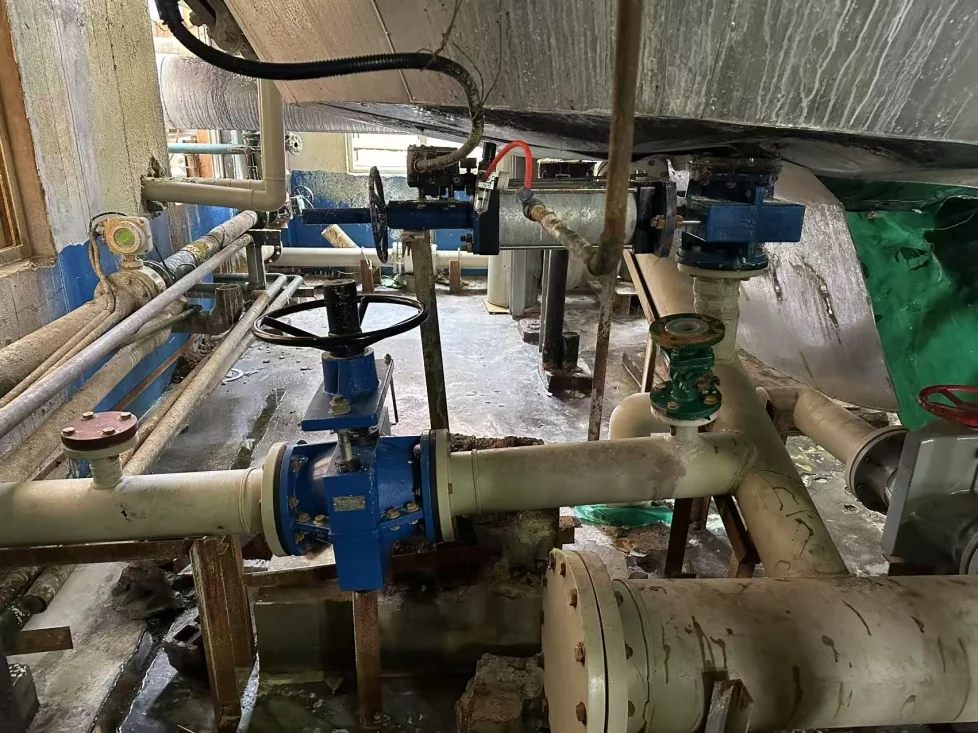
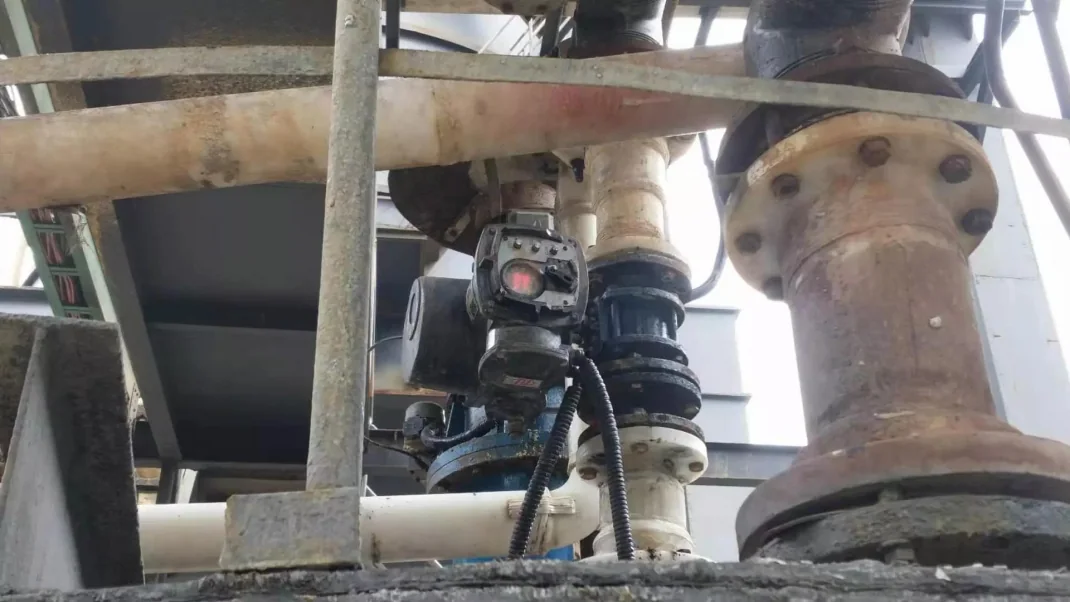
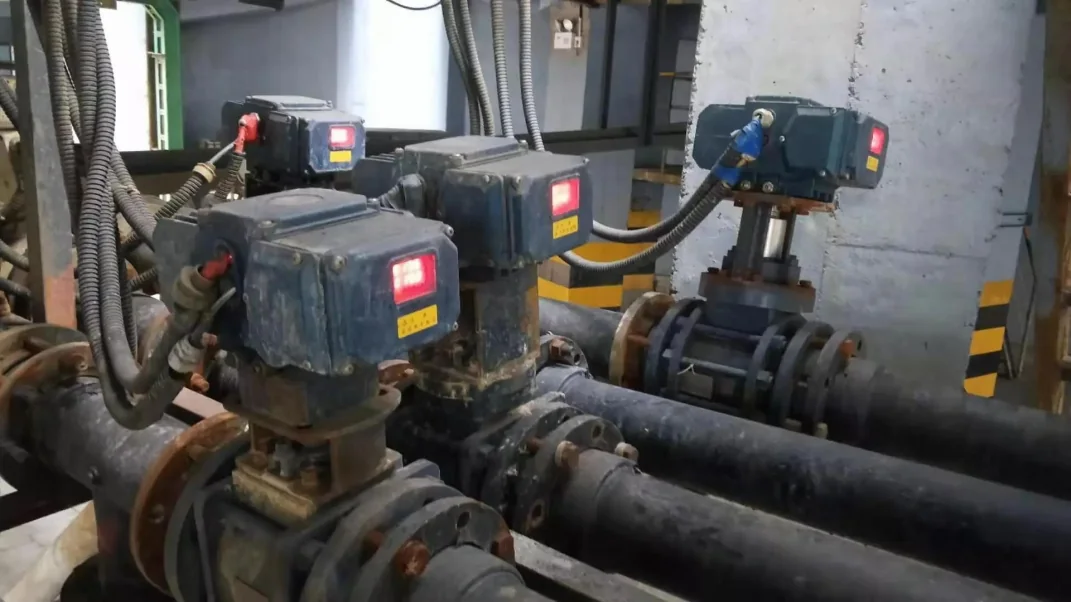
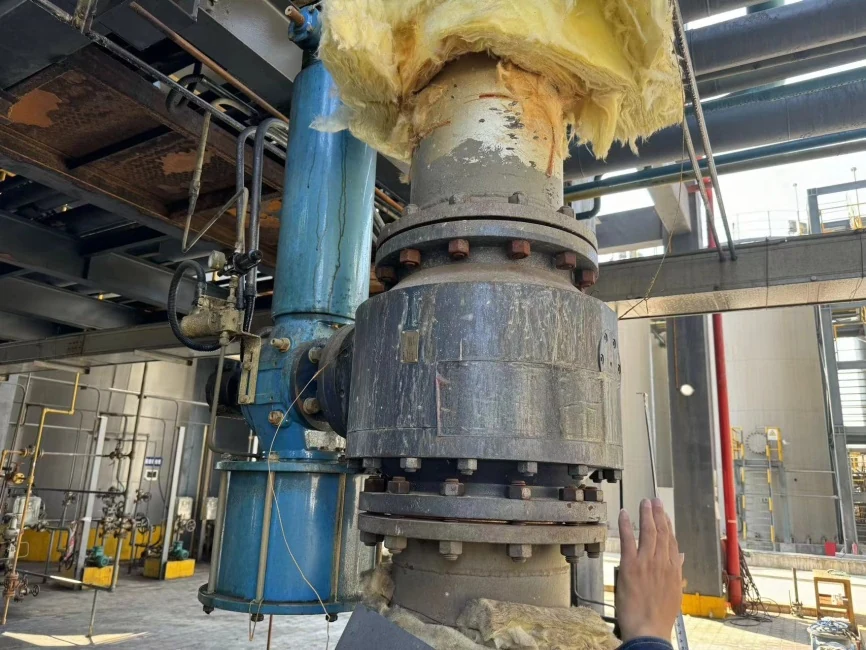
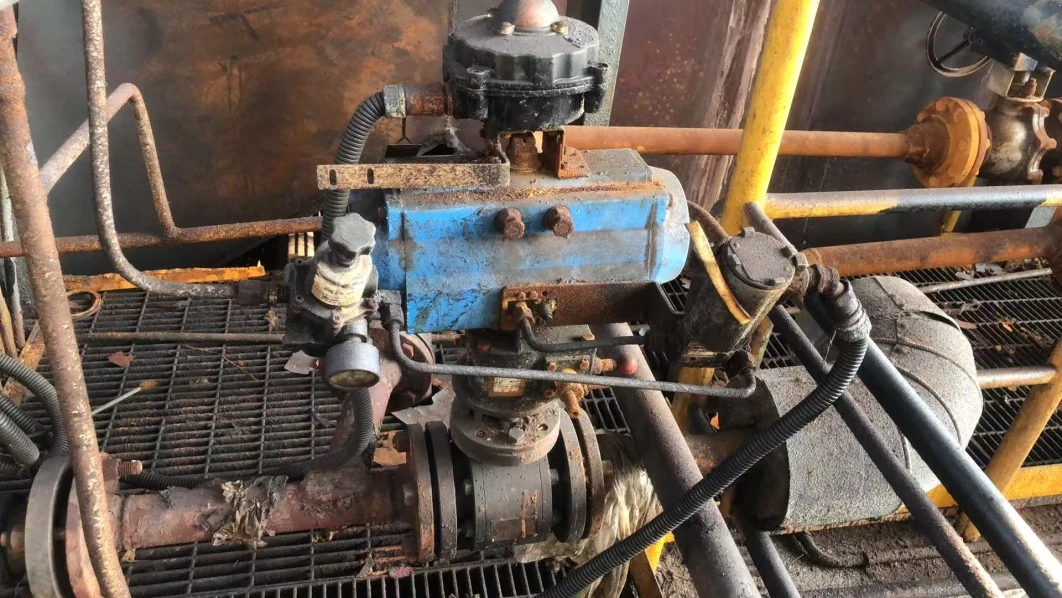
TiO2 Acid Digestion and Settling: site photographs
End Users
- LB Sichuan Titanium Industry Co., Ltd., China, in service since 2018
- Guangzhou Huiyun Titanium Industry Co., Ltd., China, in service since 2020
- Anhui Annada Titanium Industry Co., Ltd., China, in service since 2024
During the digestion and settling processes, the medium is typically a digestion slurry containing high-temperature concentrated sulfuric acid. The reaction between ilmenite concentrate and concentrated sulfuric acid creates severe corrosion and abrasion during slurry conveying
Conventional valves often contain dead zones inside the valve body. Within only a few weeks, material accumulation may cause complete seizure, difficult operation, and reduced control accuracy. The valves must then be removed for cleaning or replaced, seriously affecting production efficiency and increasing the workload of on-site personnel
At one sulfate-process titanium dioxide plant, corrosion-resistant alloy valves and metal-seated valves were originally used. Because these valves could not simultaneously withstand corrosion and abrasion, their sealing surfaces suffered frequent corrosion and wear, while crystalline deposits accumulated inside the valve cavities. Their service life was only 3-6 months
After replacement with KOWOV ceramic ball valves, performance improved significantly. The valves have remained in continuous, stable operation for nearly four years, eliminating the need for frequent replacement
Conclusion
Minimum Service Life
- On/Off Valves: ≥3 years
- Control Valves: ≥2 years
Why Choose Ceramic Valves?
Superior Wear Resistance
Structural ceramics have a Rockwell hardness above HRA 87. Their wear resistance is approximately 266 times that of manganese steel and 172 times that of high-chromium cast iron, far exceeding that of conventional metals and fluoropolymer-lined valves
They withstand continuous erosion from ilmenite particles and solid residues, helping prevent internal leakage and significantly reducing valve replacement frequency
Excellent Corrosion Resistance
Structural ceramics are inorganic, non-metallic materials with exceptional chemical stability. They provide excellent resistance to concentrated sulfuric acid and other highly corrosive media encountered in the digestion and settling sections of sulfate-process titanium dioxide production
Smooth Surface and Low Adhesion
Structural ceramics feature smooth, self-lubricating, and low-adhesion surfaces that effectively reduce slurry buildup and solid-particle accumulation
Their extremely high hardness enables them to withstand continuous particle erosion while maintaining stable and precise flow control
Improved Process Reliability
The high mechanical strength and smooth surface of sintered ceramics reduce the adhesion and accumulation of ore particles, reaction products, and insoluble residues. Ceramic valve internals resist erosion and material buildup, while precision sealing surfaces help prevent internal leakage and cross-contamination
This ensures stable process control and improves operational reliability throughout the digestion and settling stages
Conclusion
Ceramic ball valves and ceramic C-port valves provide reliable protection for the safe, stable, and long-term operation of titanium dioxide digestion and settling systems, significantly reducing shutdowns and maintenance requirements
Commonly Used Products
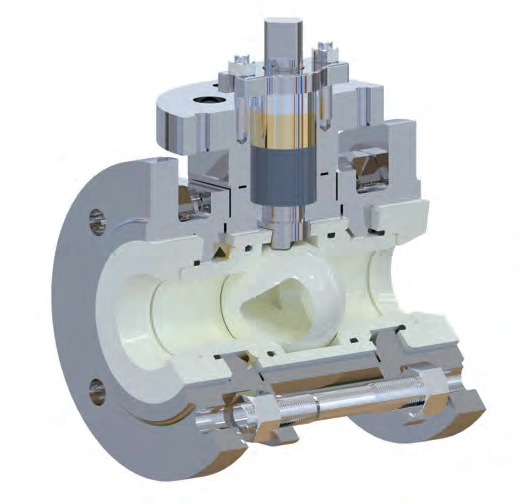
FCCV1
Standard Ceramic Ball Valve
A standard ceramic ball valve featuring a proven, versatile design. It is suitable for both on/off and modulating service and can handle operating temperatures up to 180°C and pressures up to 5.0 MPa
Its ceramic-to-ceramic sealing structure delivers excellent sealing performance, with particularly reliable shut-off in applications containing solid particles
- Size range: DN15-250 (½″-10″)
- Leakage Class: Class IV or higher
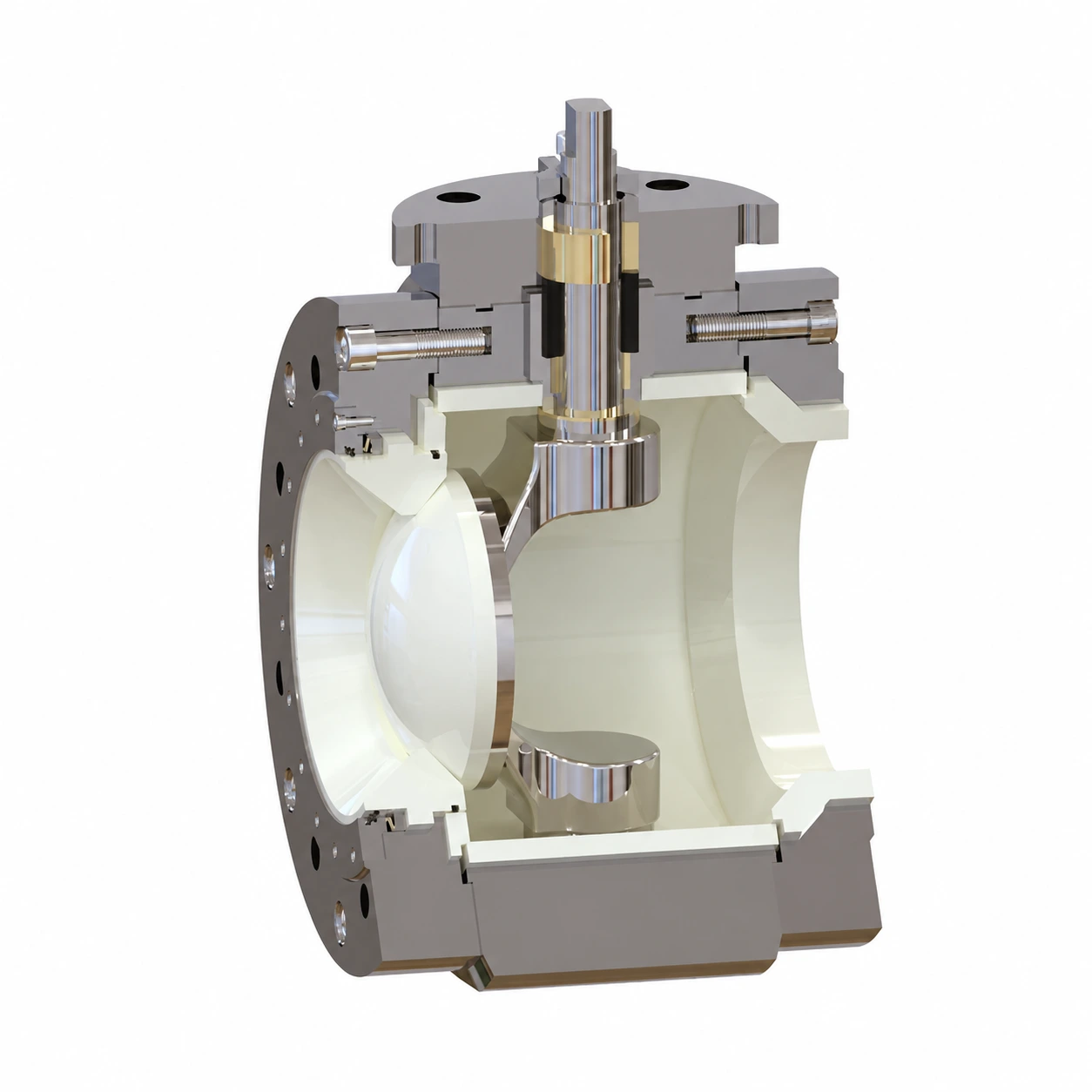
FCRV
Ceramic C Rotary Valve
This valve features a patented C-port design. The ceramic ball segment consists of a C-shaped support and a ceramic spherical crown joined through a mechanical interlocking connection. The spherical crown is manufactured as an integral ceramic component, protecting the C-shaped support from direct erosion by the medium
The valve incorporates an eccentric design. During opening and closing, the ceramic spherical crown remains in close contact with the seat, scraping away adhesive deposits from the sealing surfaces and ensuring reliable sealing performance
It is particularly suitable for media prone to adhesion, scaling, crystallization, high solids content, and sedimentation. Its cavity-free flow path prevents material accumulation inside the valve body
Size range: DN50-400
View FCRV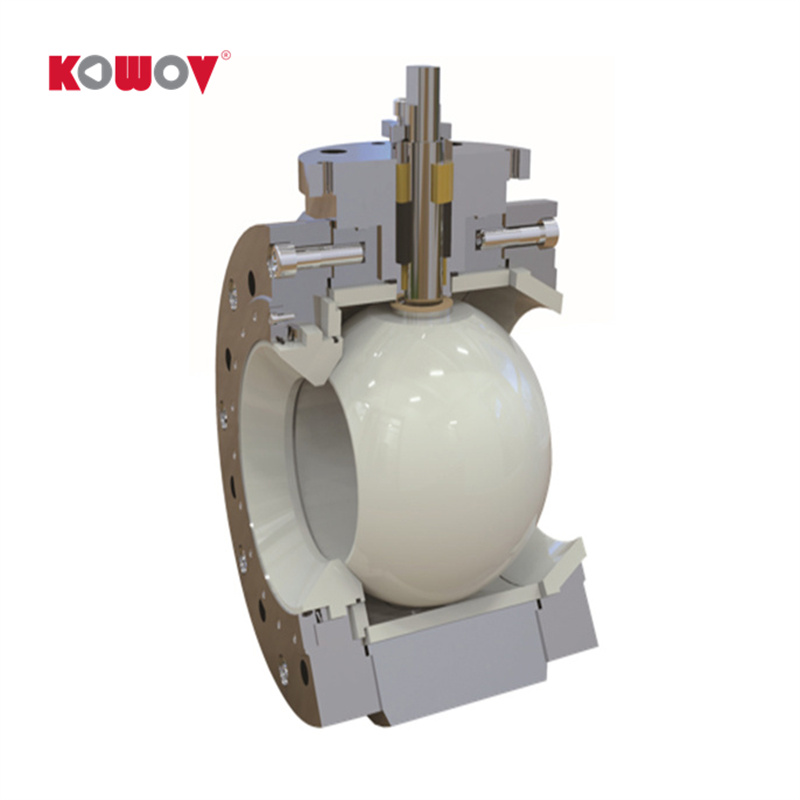
FCCV6
Single-Seat Ceramic Ball Valve
This cavity-free ceramic ball valve is designed for highly adhesive, crystallizing, scaling, and mineral-slurry applications
Its robust construction provides reliable, long-term performance and prevents material from entering and accumulating inside the valve cavity. Each opening and closing cycle allows the ceramic ball to scrape deposits from the sealing surfaces, helping maintain cleanliness and reliable shut-off
Size range: DN25-400
View FCCV6Contact Us
Talk to our team about your TiO2 acid digestion and settling application
Discuss your application