Ceramic Valve Solutions for Titanium Dioxide Post-Treatment
Reliable slurry isolation and control for wet grinding, dispersion, inorganic surface coating, washing and filtration processes
Titanium Dioxide Industry
Equipment: Coating Reaction Vessel · Slurry Tank
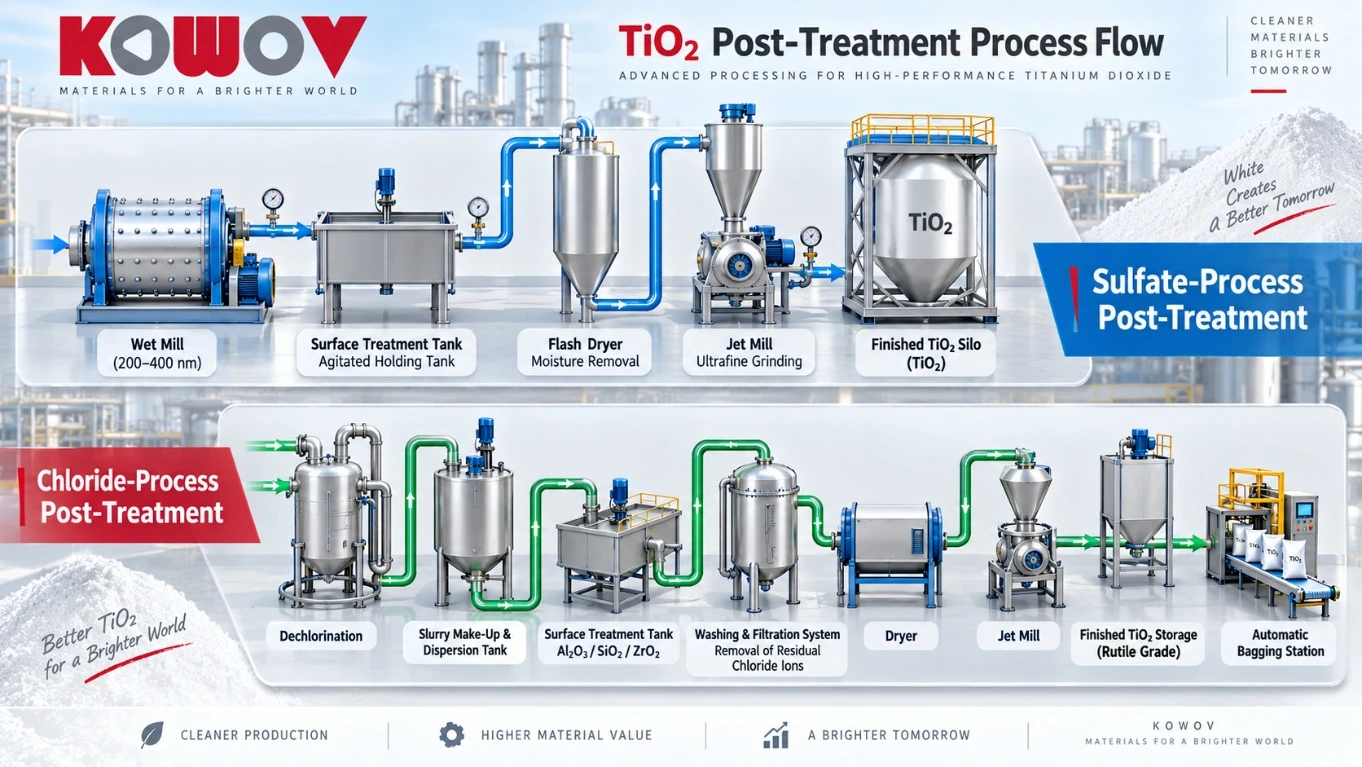
Post-treatment is the critical stage between the crude titanium dioxide produced by calcination or oxidation and the finished product. It directly determines the product’s application performance
Whether the production route is based on the sulfate process or the chloride process, post-treatment focuses on four key objectives:
Dispersing · Coating · Drying · Milling
These processes ensure that titanium dioxide pigments deliver high hiding power, excellent weather resistance, and broad applicability
Operating Conditions
Titanium dioxide post-treatment involves several process stages, including wet milling slurry, inorganic coating slurry, dried powder, and pneumatic conveying. The media present the following characteristics:
- High abrasiveness: TiO₂ particles have a Mohs hardness of 5.5-6.5
- Strong corrosiveness: The coating process involves acid and alkali adjustment, with pH varying from 2 to 12
- Prone to blockage: The slurry is highly viscous, and the powder tends to adhere
- High sealing requirements
| Item | Value | State / Rating | Characteristics |
|---|---|---|---|
| Medium | TiO₂ slurry, 30%-50% solids, containing dispersants | Liquid-solid two-phase | Corrosive, abrasive, and adhesive |
| Operating Pressure | 6-16 bar | Pressure Rating | Class 150 / PN16 |
| Differential Pressure (ΔP) | ≤6 bar | Nominal Size | DN25-DN200 |
| Operating Temperature | <100°C | - | No thermal shock |
Medium Details
| Parameter | Description |
|---|---|
| Chemical Composition | TiO₂ is chemically stable and does not directly cause chemical corrosion of metals |
| Solids Content | 30%-50% |
| Particle Size | >0.2-0.3 μm |
| Particle Hardness | Mohs hardness: approximately 6.0-6.5 |
Special Operating Conditions
Chemical Corrosion
Although the post-treatment stage is not as strongly acidic as upstream digestion or chlorination processes, its operating environment still combines moderate corrosiveness, high solids concentration, and simultaneous abrasion
Physical Abrasion
TiO₂ particles, with a Mohs hardness of 6-6.5, continuously scour the valve sealing surfaces during flow. This mechanically strips away corrosion products and passivation films, exposing fresh metal and accelerating corrosion
This corrosion-erosion synergy means that simply improving either corrosion resistance or wear resistance alone cannot solve the problem. Both requirements must be addressed simultaneously
High Viscosity and Susceptibility to Scaling and Blockage
Large viscosity fluctuations: The medium is a high-solids paste-like material. During dewatering or drying, moisture evaporation can cause the material to enter a “plastic zone,” significantly increasing viscosity and making it easy to adhere to metal surfaces
Consequences of the Three Combined Problems
Corrosion, abrasion, and viscosity do not occur independently during post-treatment. They interact and reinforce one another, causing severe damage to valve equipment
Sealing system failure
This is the most common valve failure mode in post-treatment applications. Corrosion weakens the sealing surface, abrasive particles accelerate surface wear, and slurry solids become trapped in sealing clearances, causing sticking. Together, these factors can reduce seal life far below expectations
Importance of Proper Valve Selection
The unique valve-selection challenge in post-treatment can be summarized as:
“Moderate corrosion + high abrasion + viscosity fluctuations” acting simultaneously on the same valve during the same operating period, creating a vicious cycle of sealing damage
This combined operating condition makes valve selection and maintenance the most challenging part of the titanium dioxide production process
Keywords: Sulfate Process · Chloride Process · Post-Treatment · TiO₂ Slurry · Washing · Bleaching
Process Pain Points and Key Opportunities
Existing Valve Materials and Types
Valves commonly used on site include
- Gate valves made of cast iron, HT200 grey cast iron, or WCB cast steel
- Metal-seated ball valves and globe valves made of WCB cast steel
- Conventional rubber-lined gate valves and butterfly valves lined with natural rubber or hard rubber
Problems with Existing Valves
- TiO₂ particles have a high hardness of Mohs 5.5-6.5, causing continuous erosion of metal valve internals
- The coating process involves repeated acid-alkali adjustment, with pH fluctuating from 2 to 12, resulting in rapid corrosion of conventional metal valves
- The slurry is highly viscous and the powder readily adheres, making conventional valves prone to sticking and seizure
Replacement Interval and Service Life
Under these operating conditions, conventional metal valves typically last only 3-6 months, resulting in frequent inspection and replacement and high maintenance costs
Losses Caused by Unplanned Shutdowns
Titanium dioxide production is a continuous process. A shutdown in the post-treatment section requires the entire production line, from digestion or chlorination through coating, drying, and pulverization, to be stopped simultaneously
When the post-treatment section shuts down:
- Slurry inside coating reactors
- Material being milled in the sand mill
- Semi-finished product remaining in pipelines
may all be scrapped due to process interruption
The coating process requires extremely precise control of reaction conditions, including pH, temperature, and agitation speed. Once interrupted, previously added coating agents, dispersants, and other auxiliary chemicals may be completely wasted
Damage to valve sealing surfaces and abrasive wear also generate additional maintenance costs, including spare parts, labor, and outsourced services
Case Study
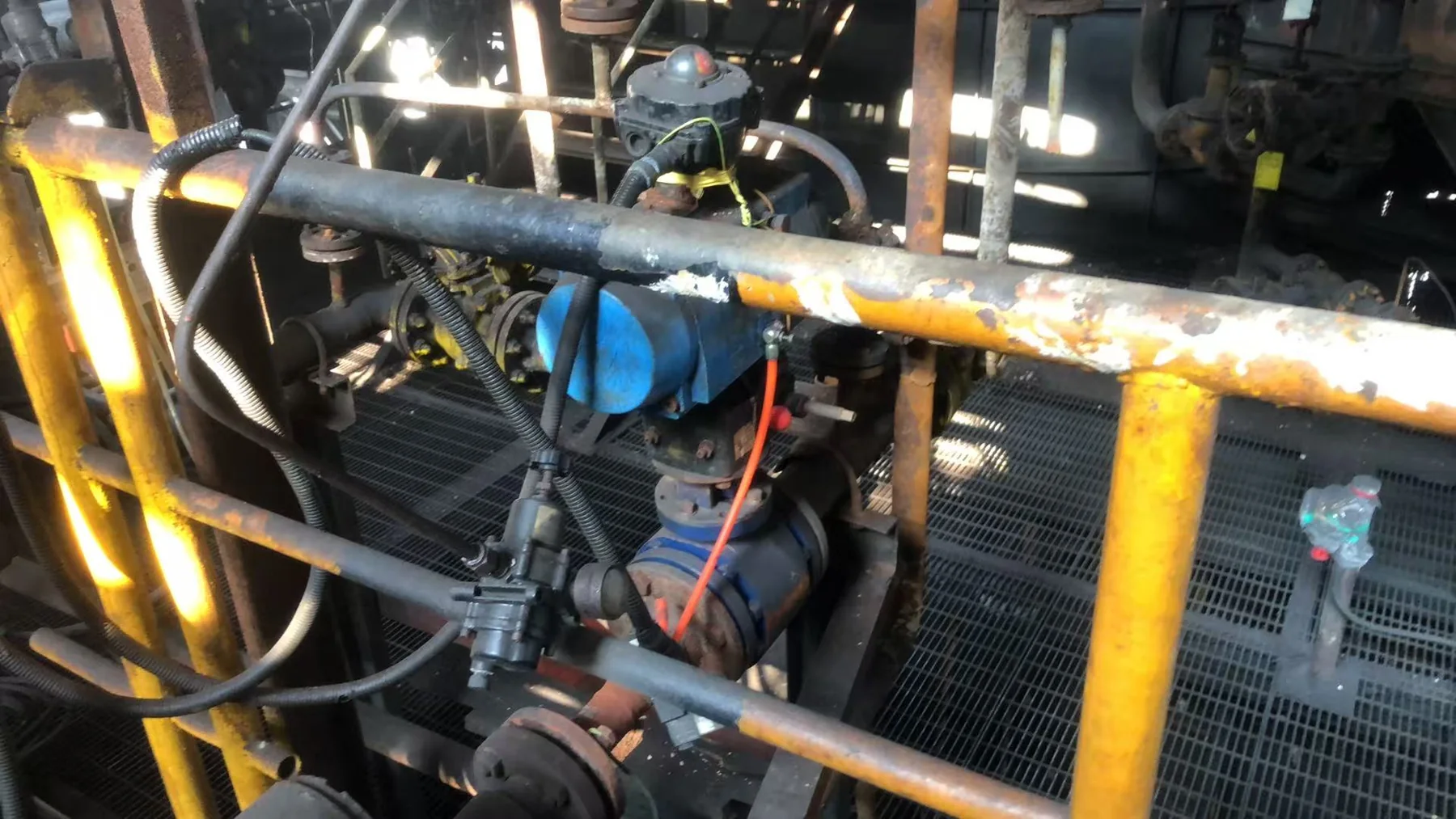
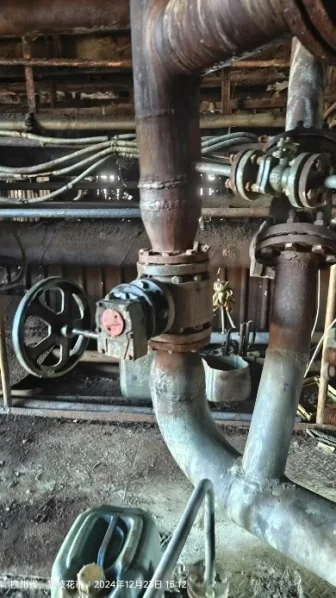
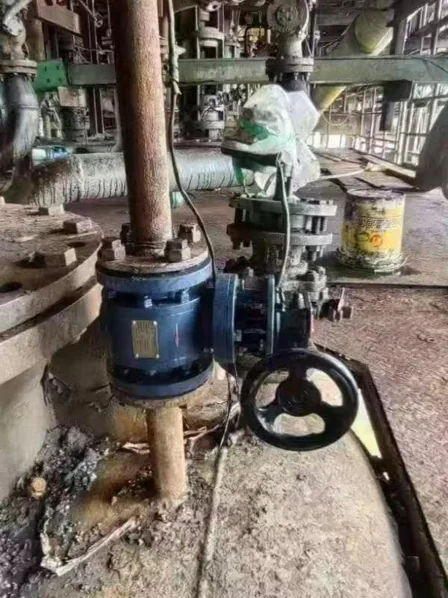
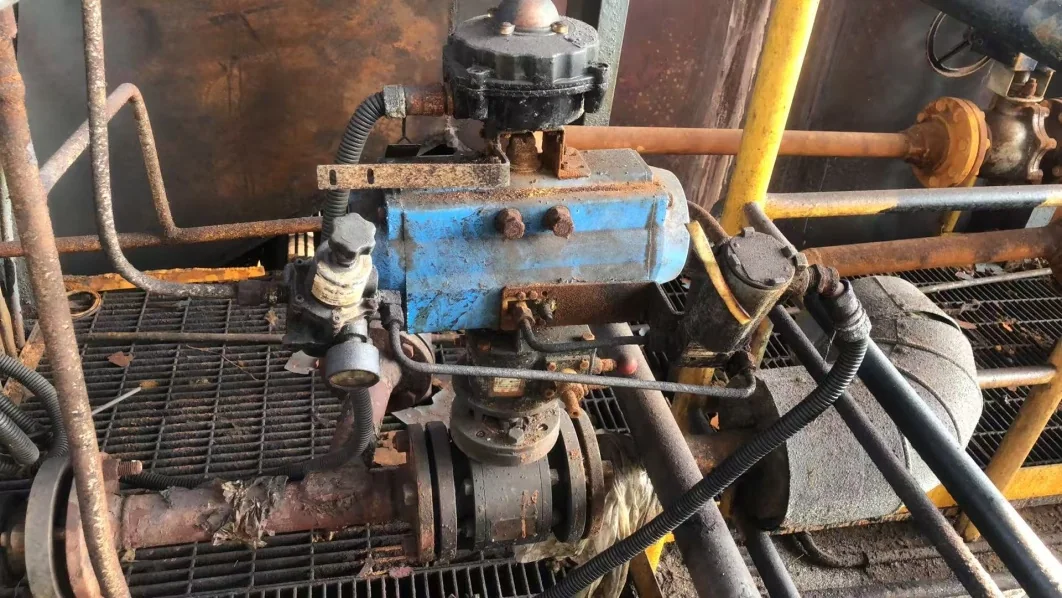
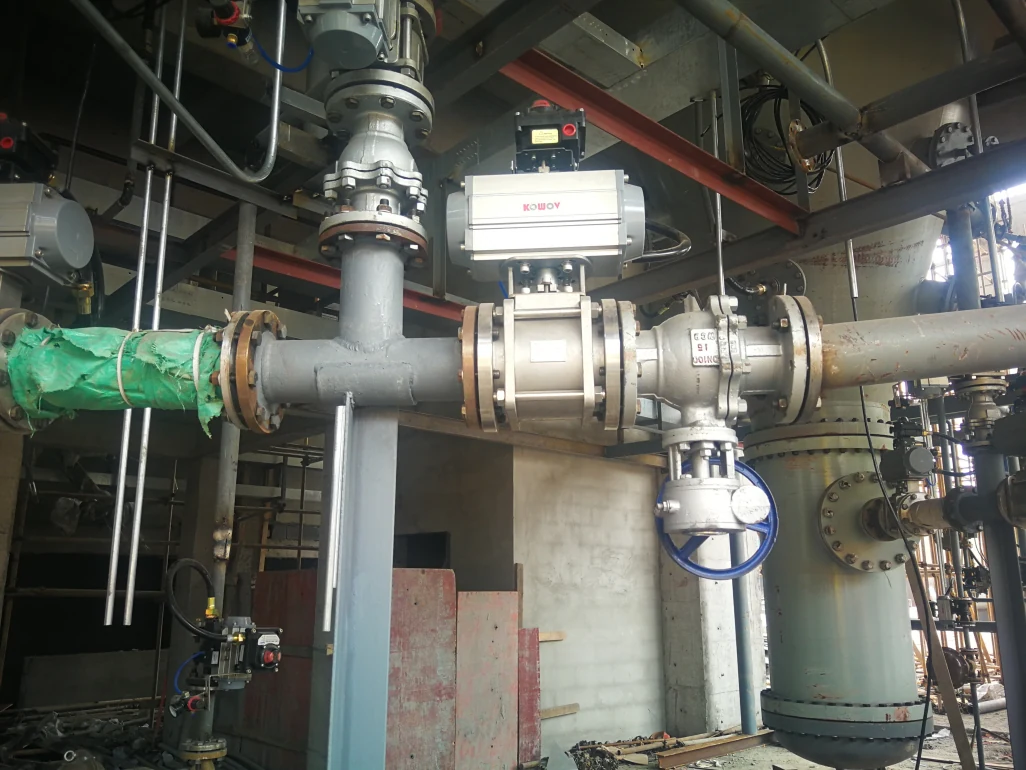
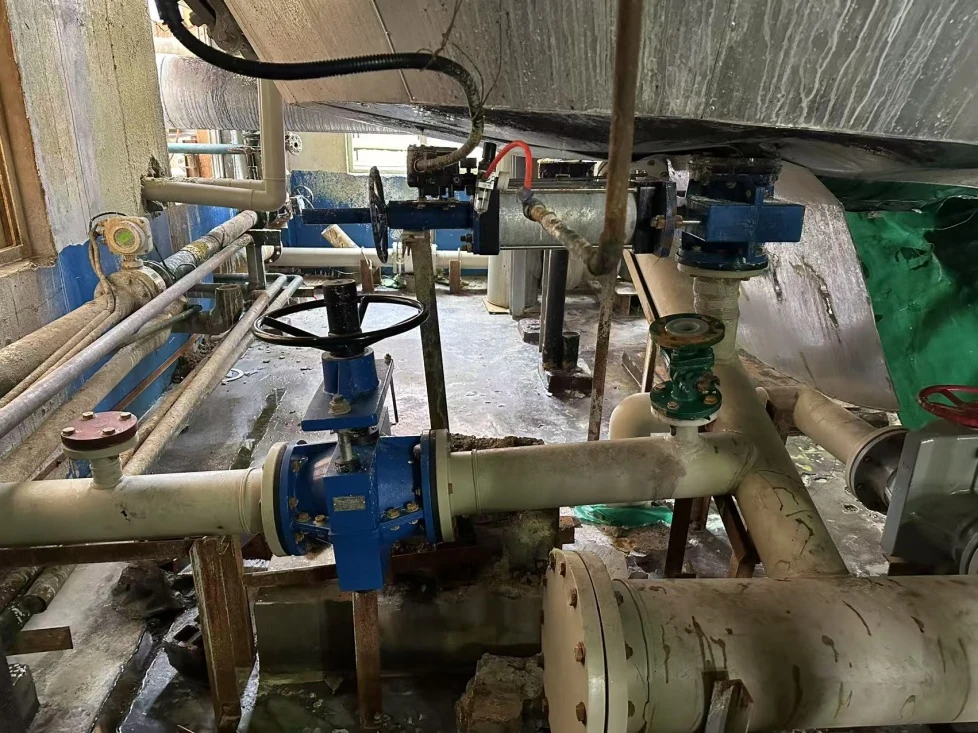
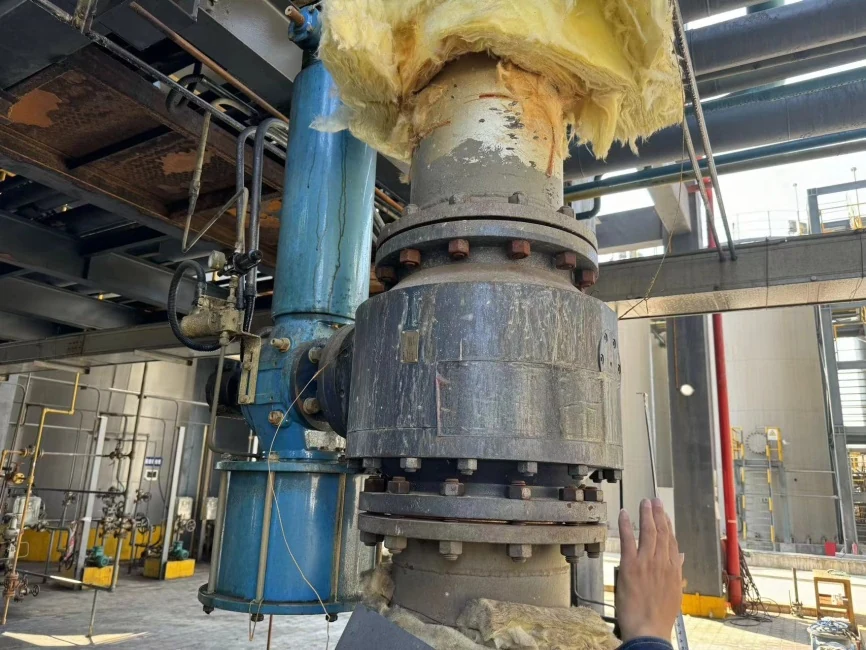
Titanium Dioxide Post-treatment: site photographs
End Users
- CITIC Titanium Industry Co., Ltd., China, in service since 2019
- Bengbu Guotai Nano Materials Co., Ltd., China, in service since 2022
- Pangang Group Titanium Industry Co., Ltd., China, in service since 2023
The post-treatment, or surface-treatment, stage is critical in determining the final application performance of titanium dioxide products. Whether the crude TiO₂ is produced by the sulfate process or the chloride process, it must undergo this treatment stage
The medium is typically a titanium dioxide slurry characterized by high solids content, fine abrasive particles, adhesion, scaling, and alternating acid-alkali corrosion. When passing through control valves, it behaves like “flowing sandpaper.”
Valve selection for these conditions must therefore focus on three essential requirements: anti-blockage performance, wear resistance, and corrosion resistance. During conveying, the combined effects of corrosion and abrasion are particularly severe
At one chloride-process titanium dioxide plant in Sichuan, conventional stainless-steel and fluororubber-lined valves were originally installed. Their soft sealing components were rapidly aged or torn by high-velocity particles, while conventional metal sealing surfaces quickly developed grooves and erosion damage
Internal leakage worsened progressively until the valves completely lost their shut-off function. Their service life was only about six months, resulting in frequent shutdowns and replacements and significantly increasing total lifecycle costs
After replacement with KOWOV ceramic valves, the leakage problem was substantially reduced. The valves have remained in continuous, stable service for nearly three years, eliminating the need for frequent replacement and maintenance
Conclusion
Minimum Service Life
- On/Off Valves: ≥3 years
- Control Valves: ≥2 years
Why Choose Ceramic Valves?
Superior Wear Resistance
Structural ceramics have a Rockwell hardness of over HRA 87. Their wear resistance is approximately 266 times that of manganese steel and 172 times that of high-chromium cast iron, far exceeding that of conventional metals and fluoropolymer-lined valves
They withstand continuous erosion and abrasion, helping prevent internal leakage and significantly reducing replacement frequency
Excellent Corrosion Resistance
Structural ceramics are inorganic, non-metallic materials with exceptional chemical stability. They resist corrosion from acids, alkalis, and salts, making them suitable for most corrosive acid-alkali media encountered in titanium dioxide production
Smooth Surface and Low Adhesion
Structural ceramics feature self-lubricating, smooth, and non-stick surfaces that effectively prevent material adhesion and buildup
With a hardness of up to HRA 90, they withstand continuous particle erosion while maintaining precise feed-flow control
Improved Product Quality
The high mechanical strength and smooth surface of sintered ceramics reduce the adhesion and accumulation of aluminum and sodium salt crystals. The valve trim resists erosion and material buildup, while the sealing surfaces maintain a precise fit to prevent internal leakage and cross-contamination
This helps ensure reliable sealing and improves product quality consistency between titanium dioxide production batches
Conclusion
Ceramic ball valves and ceramic C-port valves provide reliable protection for safe, stable, and long-term operation of titanium dioxide production lines, significantly reducing shutdowns and maintenance requirements
Commonly Used Products
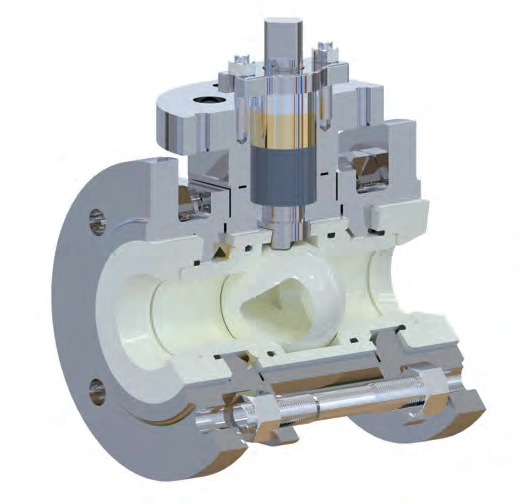
FCCV1
Standard Ceramic Ball Valve
A standard ceramic ball valve featuring a proven, versatile design. It is suitable for both on/off and modulating service and can handle operating temperatures up to 180°C and pressures up to 5.0 MPa
Its ceramic-to-ceramic sealing structure delivers excellent sealing performance, with particularly reliable shut-off in applications containing solid particles
- Size range: DN15-250 (½″-10″)
- Leakage Class: Class IV or higher
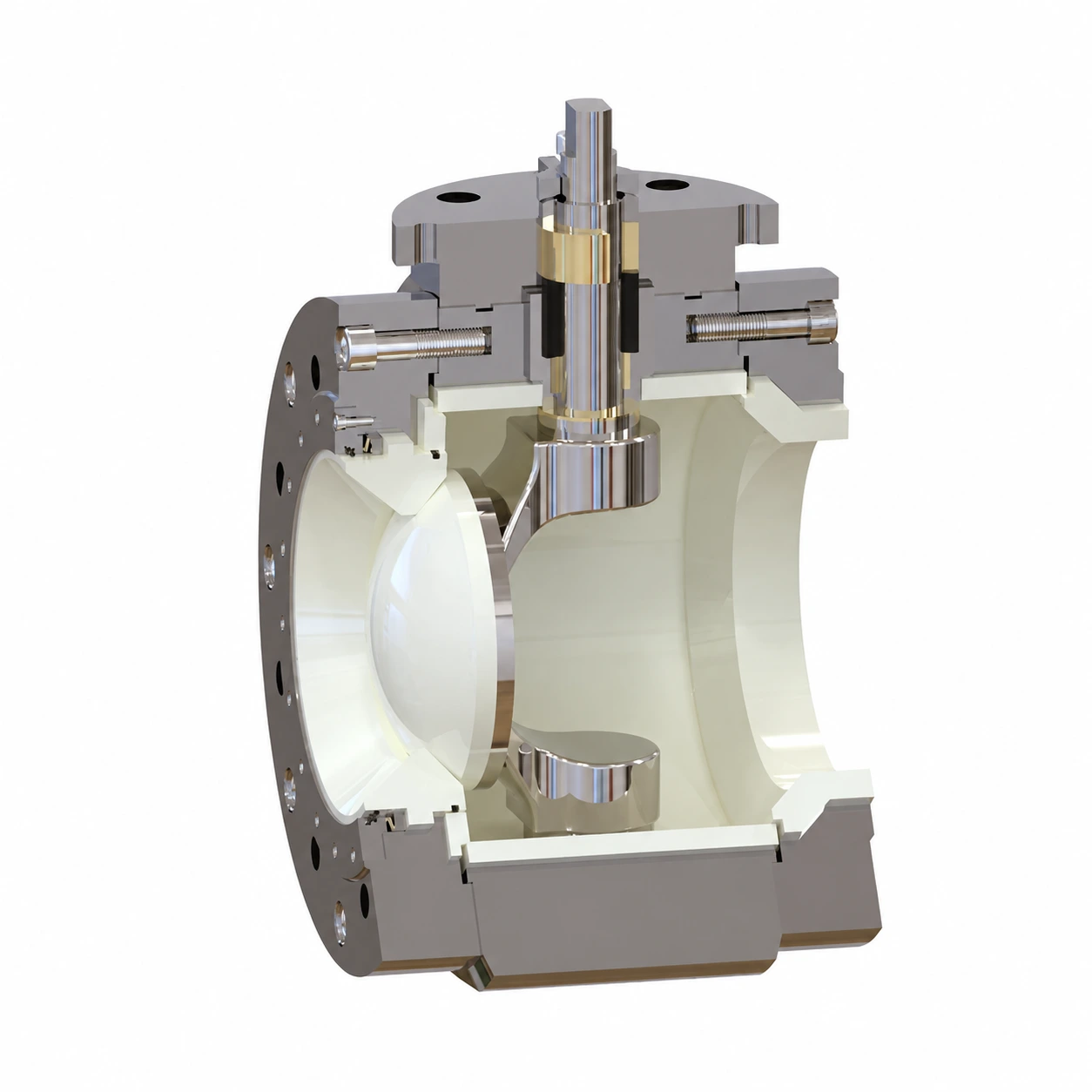
FCRV
Ceramic C Rotary Valve
This valve features a patented C-port design. The ceramic ball segment consists of a C-shaped support and a ceramic spherical crown joined through a mechanical interlocking connection. The spherical crown is manufactured as an integral ceramic component, protecting the C-shaped support from direct erosion by the medium
The valve incorporates an eccentric design. During opening and closing, the ceramic spherical crown remains in close contact with the seat, scraping away adhesive deposits from the sealing surfaces and ensuring reliable sealing performance
It is particularly suitable for media prone to adhesion, scaling, crystallization, high solids content, and sedimentation. Its cavity-free flow path prevents material accumulation inside the valve body
Size range: DN50-400
View FCRV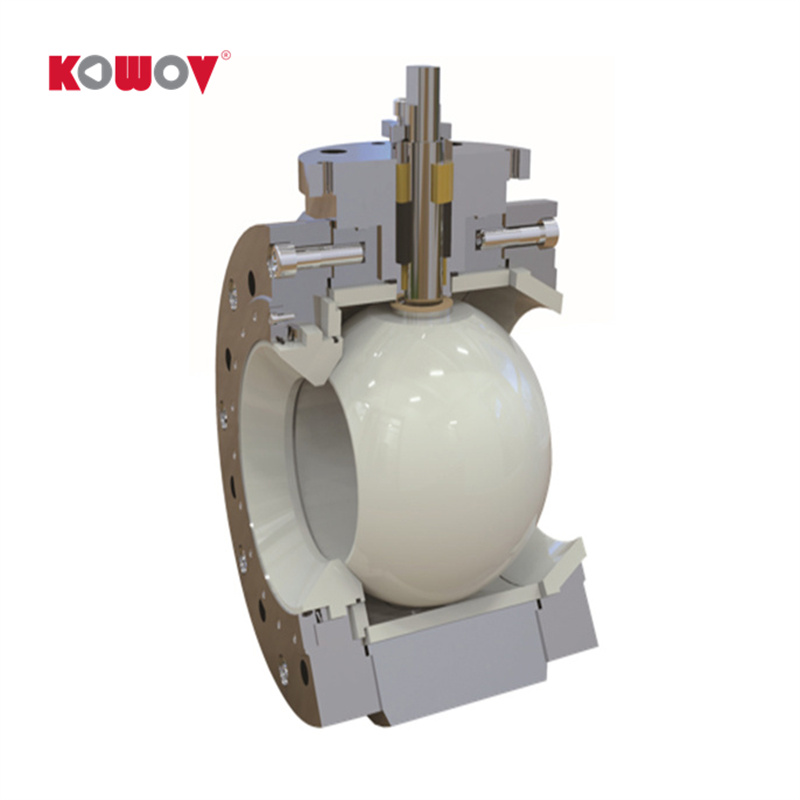
FCCV6
Single-Seat Ceramic Ball Valve
This cavity-free ceramic ball valve is designed for highly adhesive, crystallizing, scaling, and mineral-slurry applications
Its robust construction provides reliable, long-term performance and prevents material from entering and accumulating inside the valve cavity. Each opening and closing cycle allows the ceramic ball to scrape deposits from the sealing surfaces, helping maintain cleanliness and reliable shut-off
Size range: DN25-400
View FCCV6Contact Us
Talk to our team about your titanium dioxide post-treatment application
Discuss your application