Ceramic Valve Solutions for Titanium Tetrachloride Processing
Reliable isolation and slurry discharge for crude TiCl4 containing abrasive solids, corrosive chlorides and hydrolysis-prone deposits
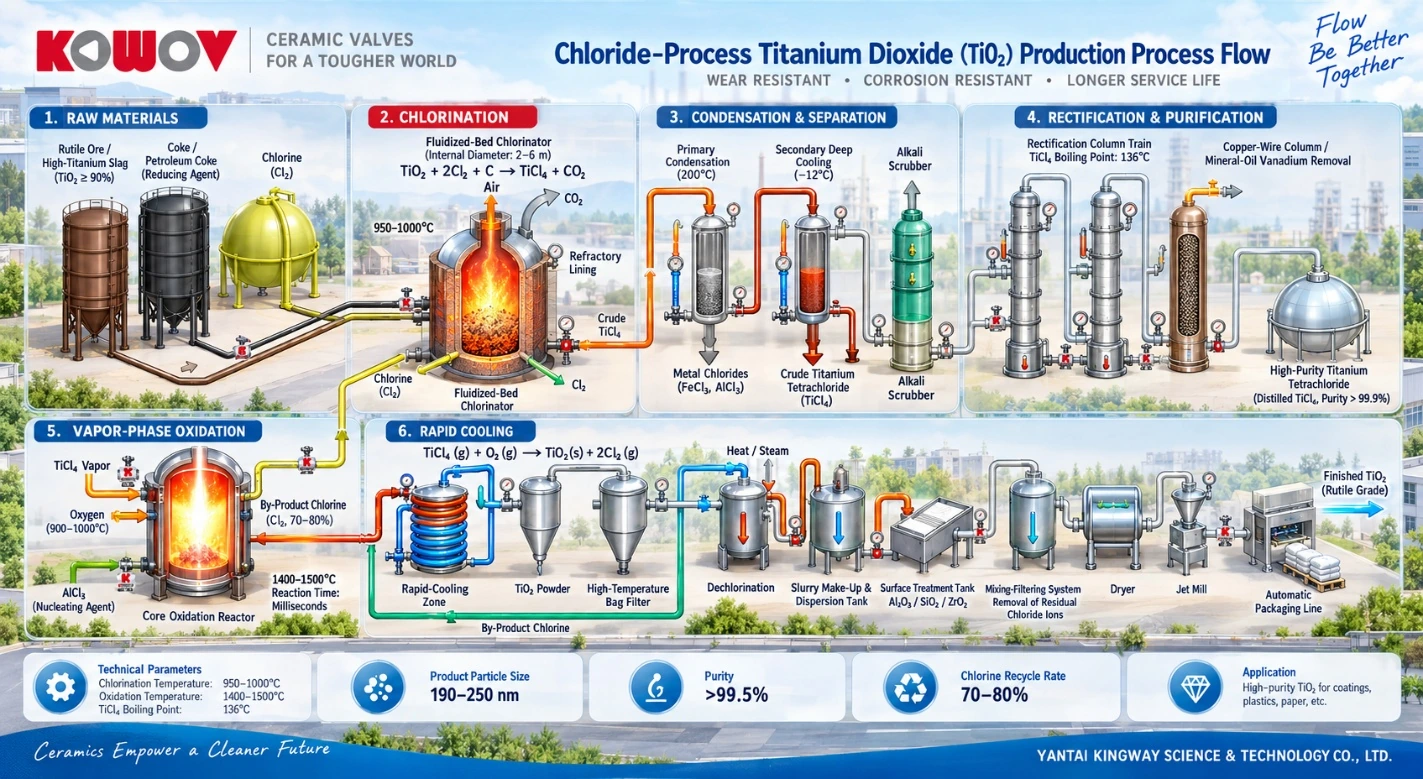
Chlorination and Crude TiCl₄ Treatment
Unit: Fluidized-Bed Chlorination Reactor
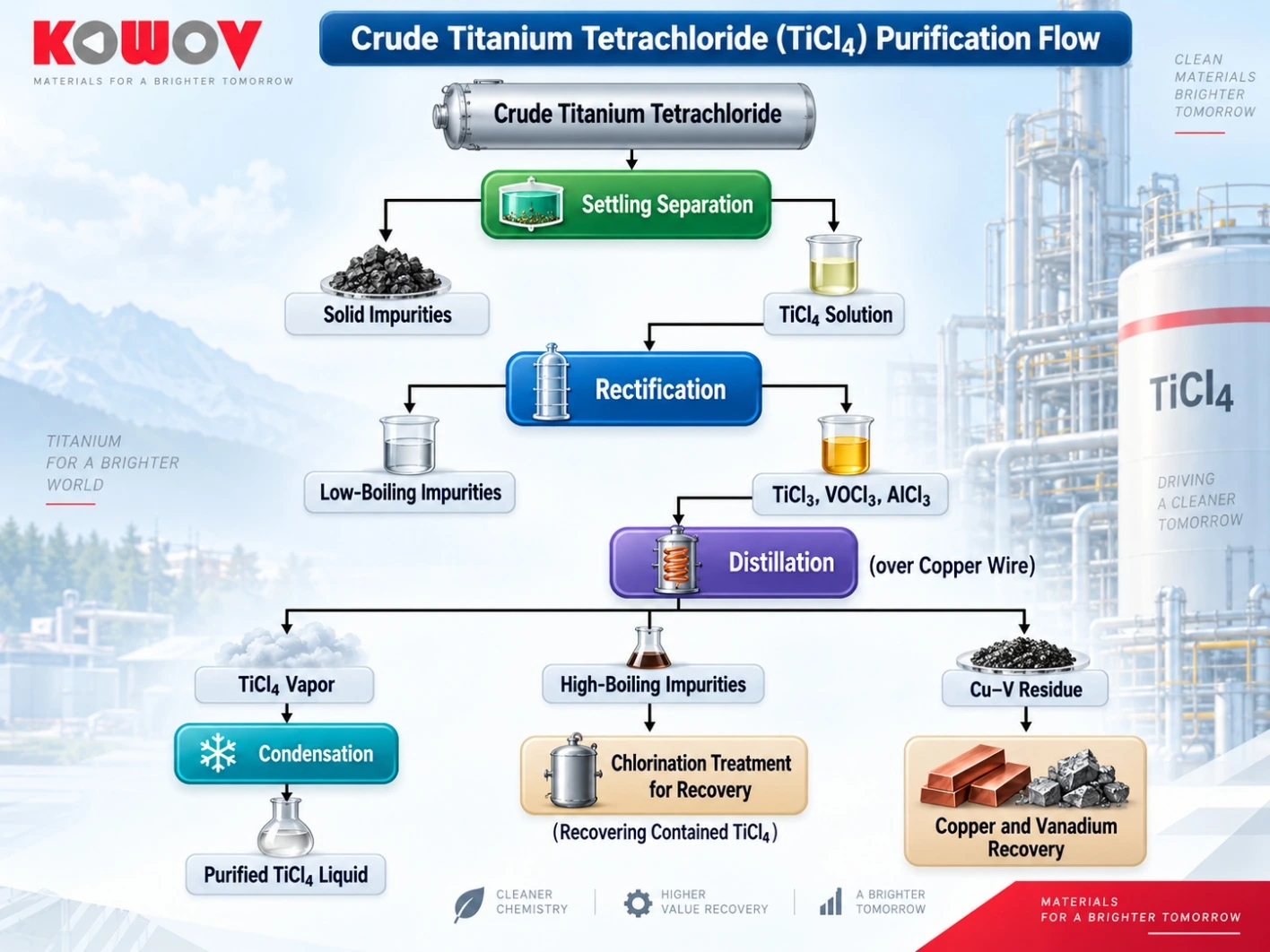
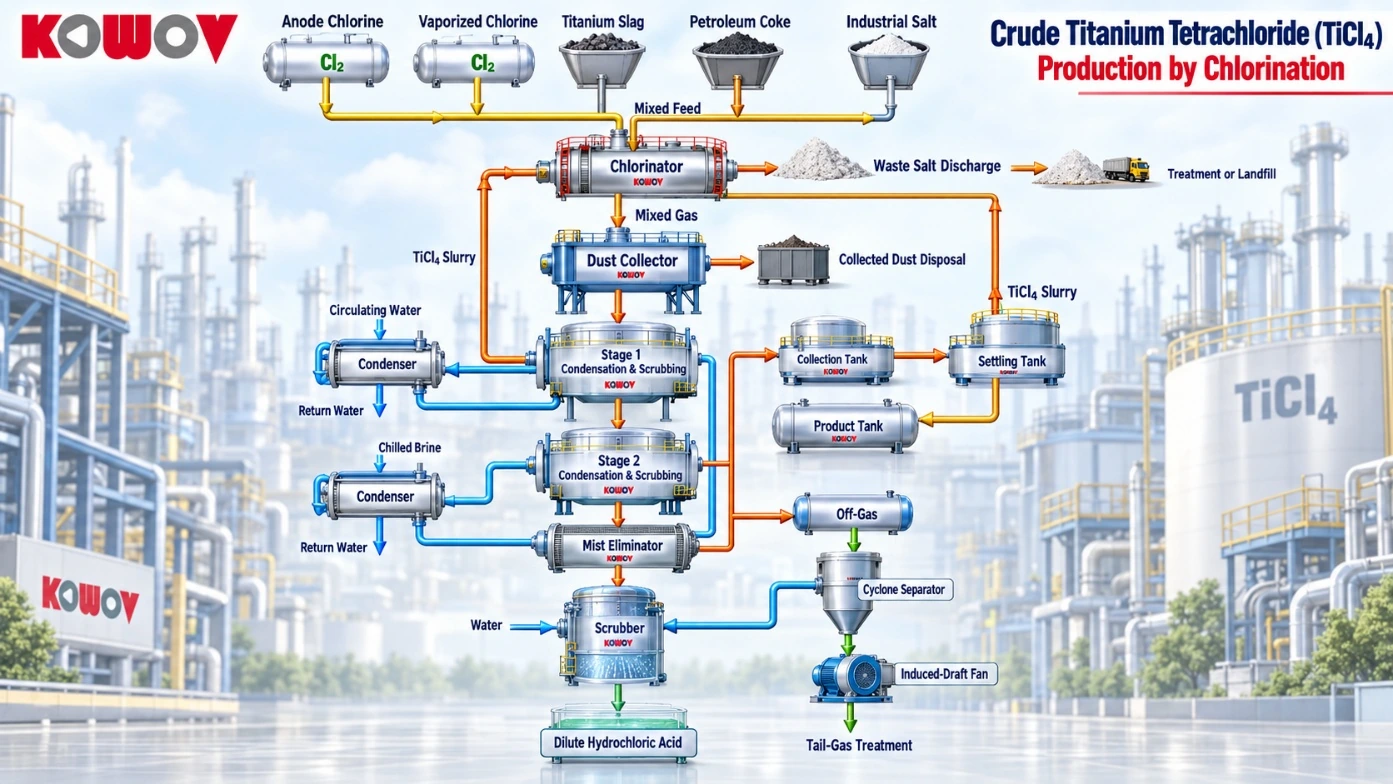
Chlorination and crude TiCl₄ treatment are the core connecting stages in chloride-process titanium dioxide production. The chlorination stage converts solid titanium-bearing feedstock into gaseous TiCl₄, while the crude TiCl₄ treatment stage removes impurities and purifies it to produce refined TiCl₄ with a purity of ≥99.99%, directly determining the quality of the product in the subsequent oxidation stage
Operating Conditions
Chlorination and crude TiCl₄ treatment serve as the two critical stages of feedstock conversion and deep purification in chloride-process titanium dioxide production. The principal challenges in the chlorination stage are fluidization control and the prevention of caking and blockage, while the primary challenge in crude TiCl₄ purification is the deep removal of VOCl₃
| Item | Value | State / Rating | Characteristics |
|---|---|---|---|
| Medium | Titanium tetrachloride slurry | Solid-liquid two-phase | Corrosive, abrasive, and prone to caking |
| Operating Pressure | 6-16 bar | Pressure Rating | Class 150 / PN16 |
| Differential Pressure (ΔP) | ≤6 bar | Nominal Size | DN25-DN250 |
| Operating Temperature | ≤120°C | - | No thermal shock |
| Parameter | Description |
|---|---|
| Chemical Composition | HCl + Cl₂ |
| Corrosive Components | Strong acidic corrosion caused by chloride ions, combined with strong oxidizing corrosion from dissolved chlorine |
| Corrosiveness (pH) | Approximately pH 2-3 |
| Solids Content | 30%-40% |
| Particle Size | D50 >15 μm |
| Particle Hardness | Mohs hardness: approximately 5.5-6.0 |
Special Operating Conditions
Chemical Corrosion
HCl and dissolved Cl₂ in the slurry continuously attack and corrode the valve materials
Physical Abrasion
Solid particles, including carbon particles, vanadium compounds, and iron and aluminum chlorides, strike the sealing surfaces at high velocity. This continuous particle erosion destroys the passivation layer on the material surface
Severe Interaction Between Particles and Hydrolysis
The slurry contains 30%-40% solids. Solid particles readily settle and accumulate in the valve cavity and at flow-passage dead zones. Over time, these deposits obstruct valve operation and prevent normal opening and closing, causing the valve to jam or seize completely
Residual liquid TiCl₄ in the slurry hydrolyzes immediately upon contact with trace moisture, producing gelatinous substances such as metatitanic acid (H₂TiO₃). These products adhere to the valve stem, packing, and sealing surfaces, sharply increasing operating torque and potentially causing complete valve seizure
Synergistic Acceleration of Corrosion and Wear
HCl and dissolved Cl₂ continuously corrode the valve material, while solid particles, including carbon particles, vanadium compounds, and iron and aluminum chlorides, continuously scour the sealing surfaces and destroy the protective passivation layer
The damaged surface allows the corrosive medium to penetrate deeper into the base material. Under this combined effect, valve degradation proceeds much faster than under corrosion-only or abrasion-only conditions
Equipment Hazards
Valve problems in crude TiCl₄ slurry service are among the most challenging equipment issues in chloride-process titanium dioxide production. This is because the service simultaneously combines strong corrosion, high abrasion, susceptibility to hydrolysis, and easy deposition and blockage
Engineering hazard: At locations with stagnant flow, leaking valves, or inadequate corrosion protection, hydrolysis products and crystals can form dense, hard deposits. These deposits may sharply reduce the effective pipeline diameter or cause complete blockage. Expansion stresses generated during deposit formation may also crack and detach protective coatings, compromising the equipment’s sealing integrity
Keywords: Chloride Process · Chlorination Section · Fluidized-Bed Chlorinator · Crude TiCl₄ · Caking and Blockage · Thick Slurry · Slurry Conveying
Process Pain Points and Key Opportunities
Existing Valve Materials and Types
The valves commonly used on site are metal-seated ball valves and Hastelloy valves
Problems with Existing Valves
Material accumulation inside the valve cavity, stem seizure and difficult operation, wear-induced internal leakage, valve-body perforation, blocked flow passages, guide-component sticking or complete seizure, and leakage of the process medium
Replacement Interval and Service Life
Valve service life is typically only about six months. Valves frequently fail in chlorination and crude TiCl₄ treatment service, resulting in repeated inspection and replacement and high maintenance costs
Losses Caused by Unplanned Shutdowns
When a valve fails, liquid TiCl₄ contained in the slurry may leak into the surrounding environment
The crude TiCl₄ slurry section is a critical node in the entire chloride-process production line, connecting the upstream fluidized-bed chlorinator with the downstream oxidation reactor
A valve failure and subsequent slurry-system shutdown may cause:
- The upstream chlorination furnace to lose normal discharge capacity, forcing a production-rate reduction or complete shutdown
- An interruption of TiCl₄ supply to the downstream oxidation section, causing the oxidation reactor to stop due to feed starvation
- A complete interruption of the production line and significant product losses
Case Study
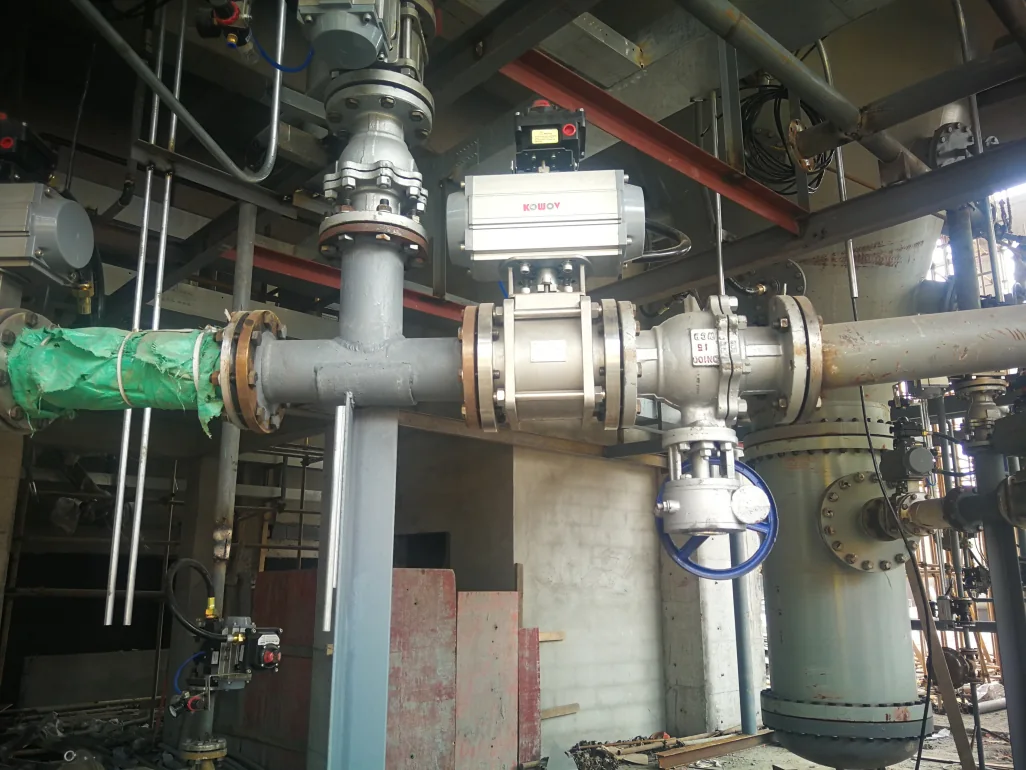
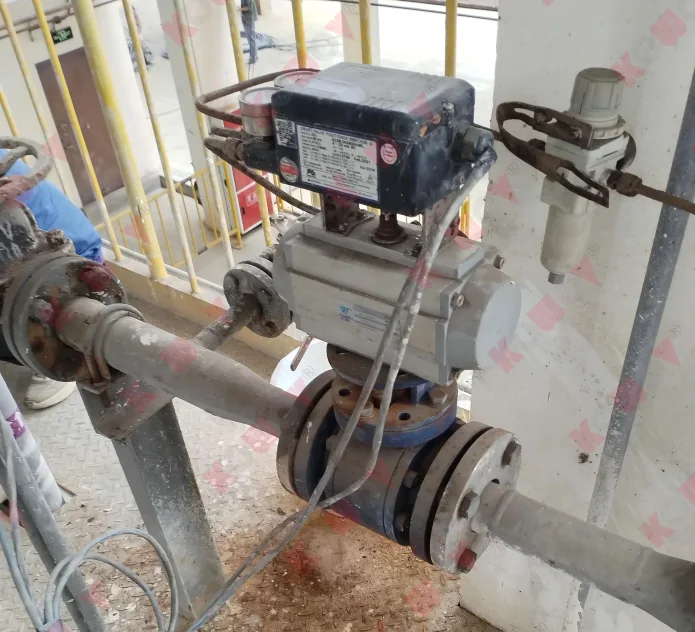
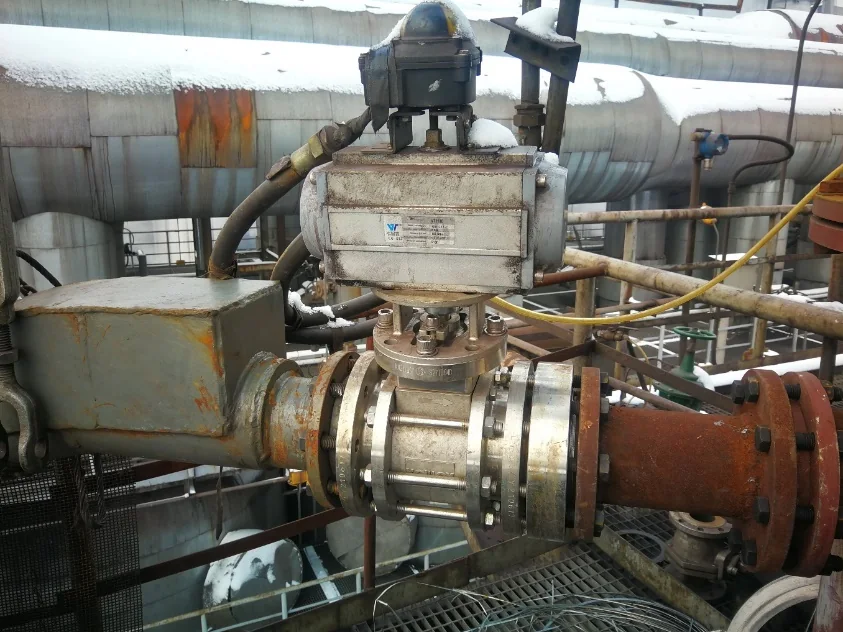
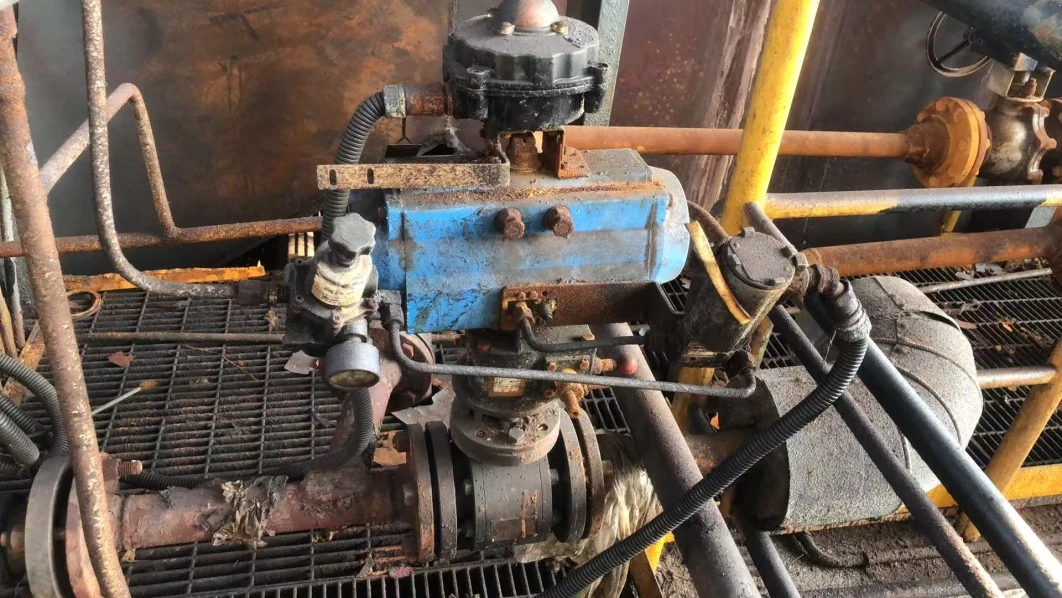
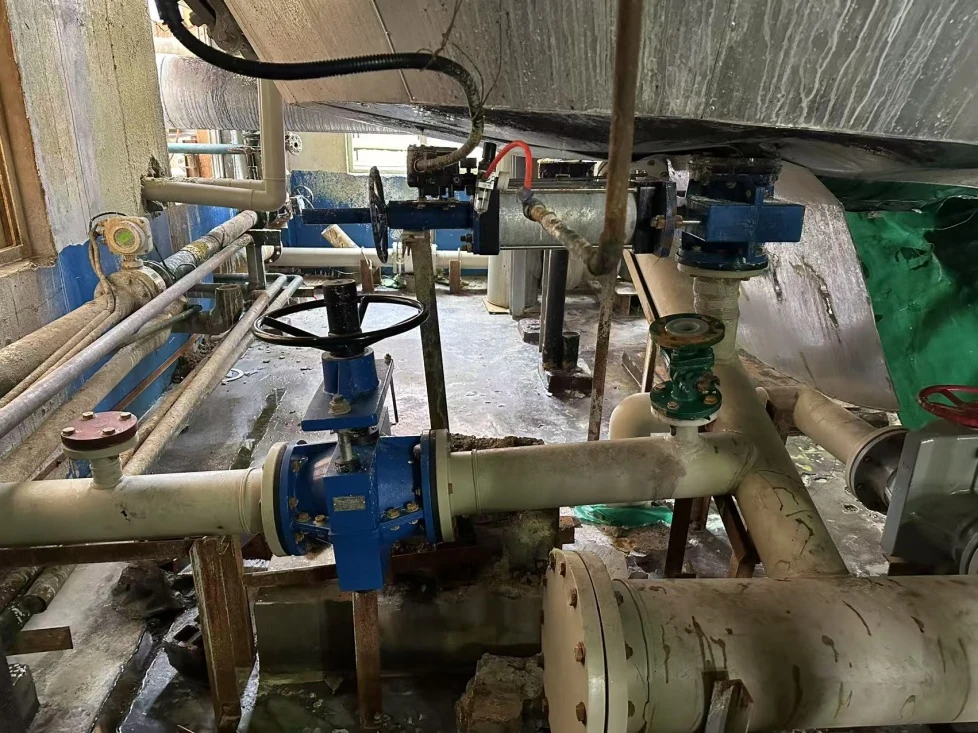
Titanium Tetrachloride Processing: site photographs
End Users
- Yibin Tianyuan Haifeng Hetai Co., Ltd., China, in service since 2020
- LB Group Xinli Titanium Industry Co., Ltd., China, in service since 2020
- Bengbu Guotai Nano Materials Co., Ltd., China, in service since 2022
- Pangang Group Titanium Industry Co., Ltd., China, in service since 2023
During chlorination and purification, the process media include high-titanium slag, titanium tetrachloride, and petroleum coke, causing severe corrosion and abrasion during conveying. Conventional valves are prone to material buildup and blockage inside the valve cavity, resulting in difficult operation and internal leakage. The valves must frequently be removed from service for cleaning or replacement, seriously affecting production-line efficiency and increasing the workload of on-site personnel
At one chloride-process titanium dioxide plant in Sichuan, conventional stainless-steel and fluororubber-lined valves were originally used. Because they could not simultaneously withstand corrosion and abrasion, the sealing surfaces suffered frequent corrosion and wear, while crystalline deposits accumulated inside the valve cavities. Their service life was only a few months
After replacement with KOWOV ceramic ball valves, performance improved significantly. The valves have remained in continuous, stable operation for nearly four years, eliminating the need for frequent replacement
Conclusion
Minimum Service Life
- On/Off Valves: ≥3 years
- Control Valves: ≥2 years
Why Choose Ceramic Valves?
Superior Wear Resistance
Structural ceramics have a Rockwell hardness above HRA 87. Their wear resistance is approximately 266 times that of manganese steel and 172 times that of high-chromium cast iron, far exceeding that of conventional metals and fluoropolymer-lined valves. They withstand continuous erosion and abrasion, preventing internal leakage and reducing replacement frequency
Excellent Corrosion Resistance
Structural ceramics are inorganic, non-metallic materials with exceptional chemical stability. They resist corrosion from acids, alkalis, and salts, making them suitable for most corrosive media encountered in titanium dioxide chlorination and crude TiCl₄ treatment
Smooth Surface and Low Adhesion
Structural ceramics feature self-lubricating and self-cleaning surfaces that effectively prevent material adhesion and accumulation. Their extremely high hardness enables them to withstand continuous particle erosion while maintaining stable and precise flow control
Improved Process Quality
The high mechanical strength and smooth surface of sintered ceramics reduce the adhesion and buildup of chlorides, hydrolysis products, and solid particles. The valve trim resists erosion and material accumulation, while its precision sealing surfaces prevent internal leakage and cross-contamination, helping maintain stable process conditions and consistent product quality
Conclusion
Ceramic ball valves and ceramic C-port valves provide reliable protection for the safe, stable, and long-term operation of TiCl₄ chlorination and purification systems, significantly reducing shutdowns and maintenance requirements
Commonly Used Products
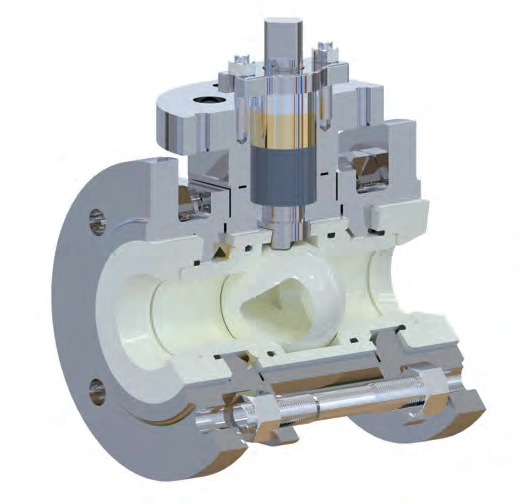
FCCV1
Standard Ceramic Ball Valve
A standard ceramic ball valve featuring a proven, versatile design. It is suitable for both on/off and modulating service and can handle operating temperatures up to 180°C and pressures up to 5.0 MPa
Its ceramic-to-ceramic sealing structure delivers excellent sealing performance, with particularly reliable shut-off in applications containing solid particles
- Size range: DN15-250 (½″-10″)
- Leakage Class: Class IV or higher
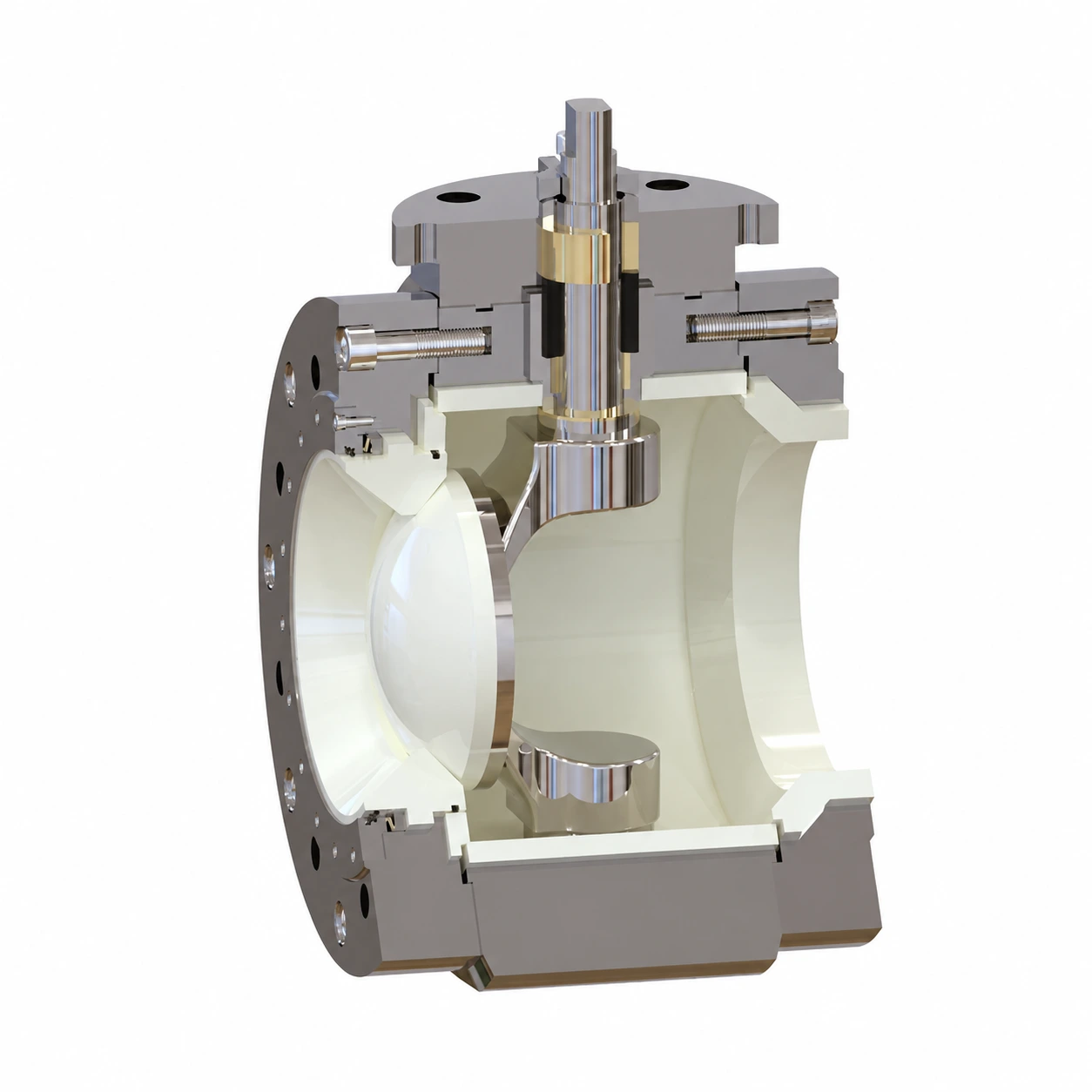
FCRV
Ceramic C Rotary Valve
This valve features a patented C-port design. The ceramic ball segment consists of a C-shaped support and a ceramic spherical crown joined through a mechanical interlocking connection. The spherical crown is manufactured as an integral ceramic component, protecting the C-shaped support from direct erosion by the medium
The valve incorporates an eccentric design. During opening and closing, the ceramic spherical crown remains in close contact with the seat, scraping away adhesive deposits from the sealing surfaces and ensuring reliable sealing performance
It is particularly suitable for media prone to adhesion, scaling, crystallization, high solids content, and sedimentation. Its cavity-free flow path prevents material accumulation inside the valve body
Size range: DN50-400
View FCRV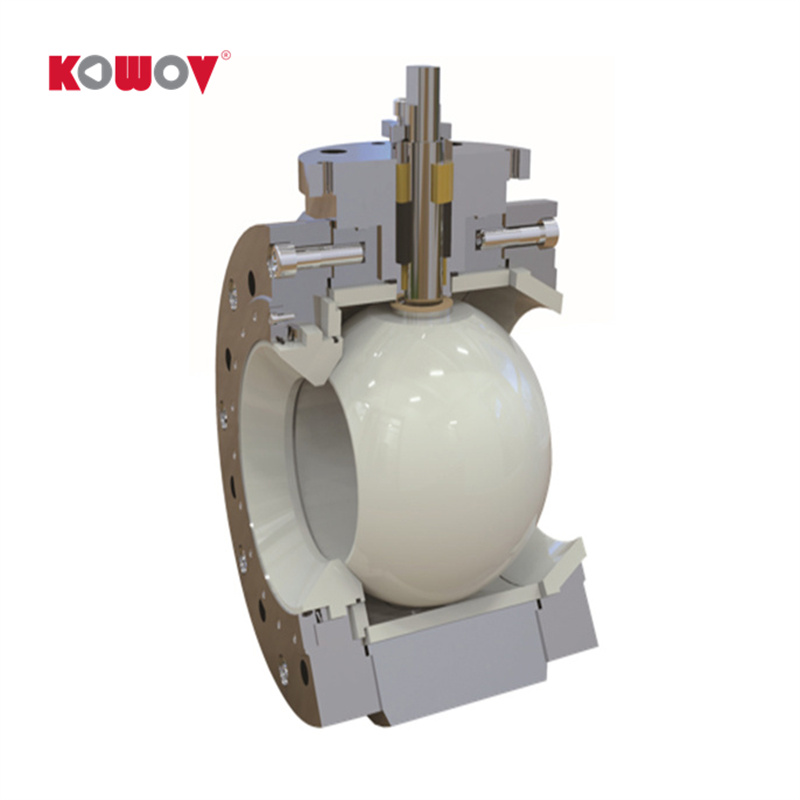
FCCV6
Single-Seat Ceramic Ball Valve
This cavity-free ceramic ball valve is designed for highly adhesive, crystallizing, scaling, and mineral-slurry applications
Its robust construction provides reliable, long-term performance and prevents material from entering and accumulating inside the valve cavity. Each opening and closing cycle allows the ceramic ball to scrape deposits from the sealing surfaces, helping maintain cleanliness and reliable shut-off
Size range: DN25-400
View FCCV6Contact Us
Talk to our team about your titanium tetrachloride processing application
Discuss your application