Ceramic Valve Solutions for Coal Gasification
Reliable valve solutions for abrasive black water, slag water, coal slurry and high-differential-pressure service in coal gasification plants
Coal gasification is the starting point of the coal chemical process. Coal slurry or pulverized coal reacts with high-pressure oxygen inside the gasifier to produce raw syngas. Black water, slag water, coal slurry and ash-containing media expose critical valves to severe erosion, corrosion, high differential pressure and frequent cycling
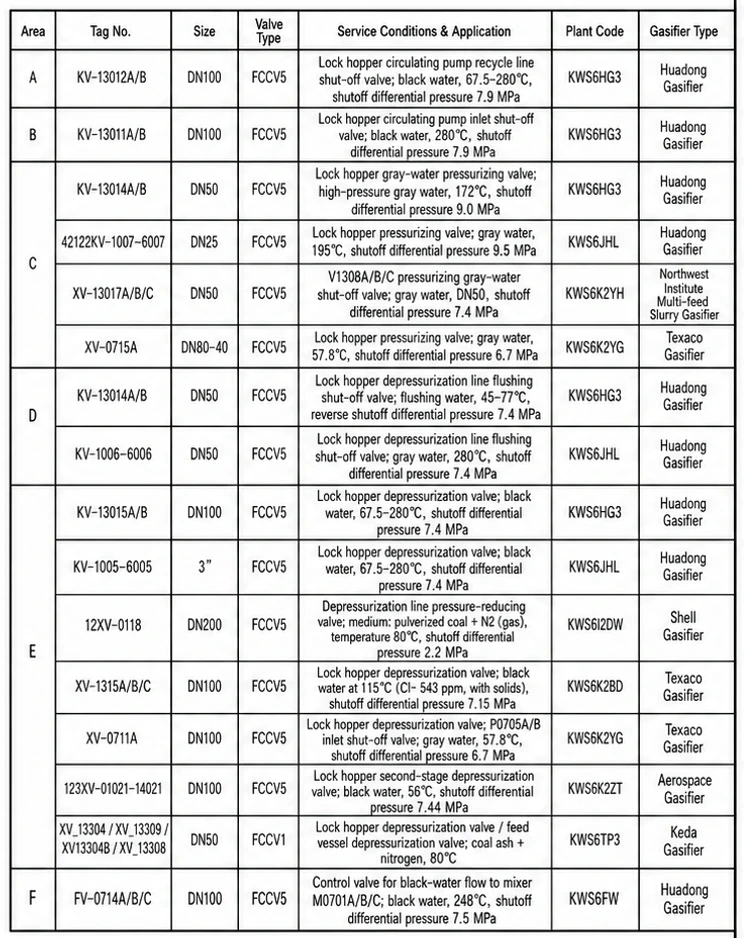
Operating Conditions
Coal gasification is the core and starting point of a coal chemical plant. After the raw coal is prepared as coal-water slurry in a slurry-feed process or conveyed as pulverized coal in a dry-feed process, it is injected together with high-pressure oxygen from the air separation unit into the gasifier through process burners
At a high temperature of 1,300-1,500°C and a pressure of 4.0-8.7 MPaG, partial oxidation converts the solid coal into raw syngas consisting mainly of CO and H₂. Meanwhile, the mineral matter in the coal melts and forms liquid slag
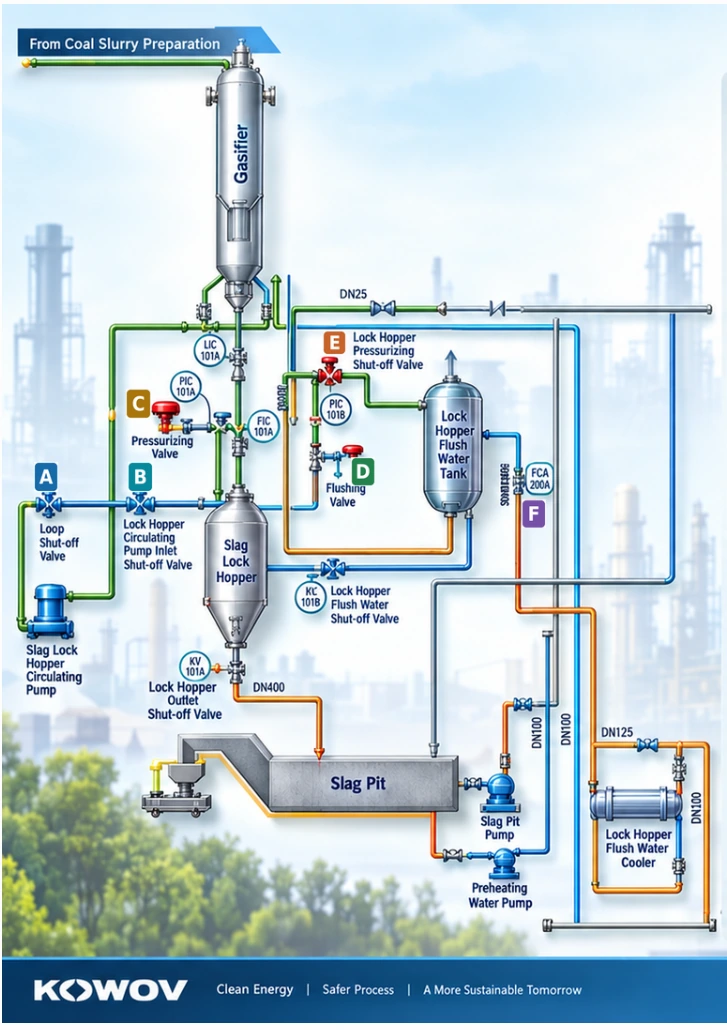
The raw syngas and liquid slag then enter the quench chamber at the bottom of the gasifier in a quench-type process, or pass through a waste heat boiler for heat recovery. The molten slag is rapidly cooled and solidified into granular slag. It is periodically collected, depressurized and flushed through the lock hopper system before being discharged into the slag pit for further treatment
Typical Operating Parameters
| Parameter | Typical Value | Additional Parameter | Typical Value / Characteristic |
|---|---|---|---|
| Process Medium | Liquid/solid slag and ash-containing black water | Flow Condition | Solid-liquid-gas three-phase flow with high-velocity ash and slag particles |
| Operating Pressure | Up to 150 bar | Pressure Class | ASME Class 900 |
| Differential Pressure | Up to 65 bar | Nominal Size | DN25-DN200 |
| Operating Temperature | Below 260°C | Thermal Condition | No severe thermal shock |
Note: The above values are typical project reference conditions. Actual operating conditions vary according to the gasification technology, installation point and process design
Medium Details
The media in the gasification section mainly include black water and slag water containing hard ash and slag particles. Gasifier burners, quench rings, lock hopper sequence valves and slag discharge valves operate under demanding conditions involving high temperature, high pressure, high-velocity erosion by hard particles and frequent cycling
These are among the most critical valve positions in a coal gasification plant and are subject to a high risk of wear and failure. Conventional metal valves are prone to sealing-surface wear, internal leakage, sticking, and unstable depressurization or pressurization
Medium Characteristics
| Item | Typical Reference |
|---|---|
| Chemical Composition | Coal, ash and slag particles |
| Corrosive Constituents | Chloride ions and sulfides |
| Corrosivity | pH 7-9 |
| Solids Content | 1-15% |
| Maximum Particle Size | Up to 300 μm |
| Particle Hardness | Mohs hardness 6-7 |
Summary of Ceramic Valve Applications in Coal Chemical Plants
Severe Abrasion and Particle Erosion
For media such as slag water, coal slurry and pulverized coal, ceramic-lined or fully ceramic valves with all-ceramic internal components are recommended
The exceptional hardness and mechanical strength of the ceramic components provide excellent resistance to severe particle erosion, helping prevent sealing-surface wear and internal leakage commonly experienced by conventional metal valves
Throttling and High-Velocity Erosion
For black water and grey water flow-control applications, ceramic V-ball trims or specially designed ceramic control seats are used
These structures effectively resist high-velocity erosion caused by throttling pressure drops while maintaining control accuracy and extending valve service life, preventing premature failure of the valve ball and seat
Acidic and Ammonia-Containing Corrosive Service
For acidic water, acid gas and ammonia-bearing condensate, chemically inert ceramic materials provide a reliable alternative to expensive alloy valves
Ceramic wetted components effectively resist media-induced corrosion, helping prevent valve component failure and leakage while improving the corrosion resistance and operational safety of the system
Frequent Programmed Cycling
For lock hopper sequence valves and other valves subject to frequent operation, ceramic hard-sealing structures are used
They provide excellent resistance to repeated cycling fatigue and particle erosion, helping ensure stable operation of the programmed control system while significantly reducing inspection and maintenance frequency
Application Value of Ceramic Valves
The operating conditions described above represent the major challenges faced by conventional metal valves in coal chemical plants. They are also among the most mature and widely proven application areas for ceramic valve technology
With their exceptional hardness, corrosion resistance and chemical inertness, ceramic valves effectively address the common problems of rapid wear, corrosion and short service life associated with conventional metal valves. They significantly reduce maintenance frequency and operating costs and are a critical equipment choice for ensuring the safe, stable and long-term operation of coal chemical plants
Analysis of Real-World Process Challenges
Existing Valve Materials and Designs
Conventional valves generally use stainless steel or alloy-metal construction, typically with metal hard-seated ball valve or eccentric rotary valve designs. These valves cannot withstand continuous erosion and corrosion caused by high-solids, highly corrosive process media
Common Problems with Existing Valves
High-velocity hard particles cause severe erosion and abrasive wear, damaging or even penetrating internal components. Strongly corrosive media attack the valve trim and body, resulting in internal or external leakage. Particle accumulation within internal clearances may also cause the valve to seize or become completely jammed
Replacement Frequency and Service Life
Under combined erosion and corrosion, conventional metal hard-seated valves typically provide only 6-12 months of service. At the most critical operating points, service life may be reduced to just 3-6 months, requiring frequent shutdowns for valve replacement
Losses Caused by Shutdowns and Maintenance
Unplanned shutdowns disrupt production and reduce plant output. Frequent valve replacement significantly increases maintenance costs. Process-media leakage may create environmental compliance risks and substantial penalties, while high-pressure fluid discharge can pose serious hazards to personnel
Requirement for Long-Term, Reliable Operation
Coal chemical processes involve highly corrosive media containing abrasive solid particles, together with frequent pressure and temperature fluctuations. As critical pipeline control components, valves must deliver reliable long-term performance to:
- Prevent process-media leakage and unexpected equipment failures
- Minimize unplanned shutdowns
- Maintain stable process parameters
- Reduce spare-parts consumption and maintenance costs
- Avoid uncontrolled discharge and material losses
- Improve plant availability and operational continuity
- Enhance economic performance, safety and environmental compliance
Proven Applications of Ceramic Valves in Coal Chemical Plants
Gasification Unit
- Lock hopper depressurization valve
- Lock hopper pressurization valve
- Lock hopper depressurization-line flushing valve
- Lock hopper circulation-pump inlet valve
- Lock hopper circulation-pump recirculation valve
- Other severe-service valve applications
Coal Feeding and Conveying Unit
- Coal slurry and pulverized-coal conveying-line shut-off valves
- Pulverized-coal vent valves
- Other abrasive-powder handling applications
Slag and Black Water Treatment Unit
- Flash drum level control valve
- Black water flow control valve at the quench-water pump outlet
- Scrubber level control valve
- Hot water tower level control valve
- Black water flow control valve at the slag-pool pump outlet
- Other abrasive slurry control applications
Gas Purification and Recovery Units
General process valves used in shift conversion, ammonia recovery and sulfur recovery units, including process-line isolation and throttling valves
Typical instrument control valves include:
- Condensate control valves
- Acid gas separator control valves
- Other severe-service control valves
Core Value and Advantages of Ceramic Valve Selection
Coal chemical processes involve extremely demanding conditions characterized by severe erosion, strong corrosion and high differential pressure. Ceramic valves use ultra-hard engineering ceramics with a hardness of HRA 87 or above. Their inorganic, non-metallic construction provides excellent resistance to particle erosion and corrosive process media while maintaining highly durable sealing performance
Compared with conventional metal valves, ceramic valves can offer a service life 5-10 times longer, significantly reducing maintenance frequency and spare-parts costs. Their reliable long-term operation makes them an optimal upgrade for critical valve positions throughout coal chemical plants
Why Choose Ceramic Valves?
Exceptional Resistance to Abrasion and Erosion
Engineering ceramics have a hardness of HRA 87 or above, far exceeding that of conventional alloy steels. This enables ceramic valves to withstand continuous high-velocity particle impact, abrasion and erosion, significantly extending valve service life and reducing replacement frequency
Outstanding Corrosion Resistance
Engineering ceramics are inorganic, non-metallic materials with excellent chemical stability. They resist chemical attack from many aggressive process media, effectively preventing the pitting, rusting and leakage commonly experienced with metal valves in corrosive service
Mirror-Finished Surfaces Resist Fouling and Jamming
Precision-machined ceramic flow-path surfaces have a mirror-like finish with extremely low particle adhesion. This minimizes solids buildup, scaling and crystallization, helping prevent valve sticking or seizure while reducing maintenance requirements
Reliable Performance under Severe Operating Conditions
Ceramic valves provide stable performance under high pressure, elevated temperature and frequent cycling. Their long-term operational integrity supports precise flow control and reliable shut-off, helping maintain continuous and stable plant operation
Conclusion
Ceramic valves are specifically engineered to address abrasion, corrosion, fouling and jamming in coal chemical processes. By improving valve reliability at its source, they support efficient long-term plant operation while significantly reducing unplanned shutdowns and maintenance costs
Case Study
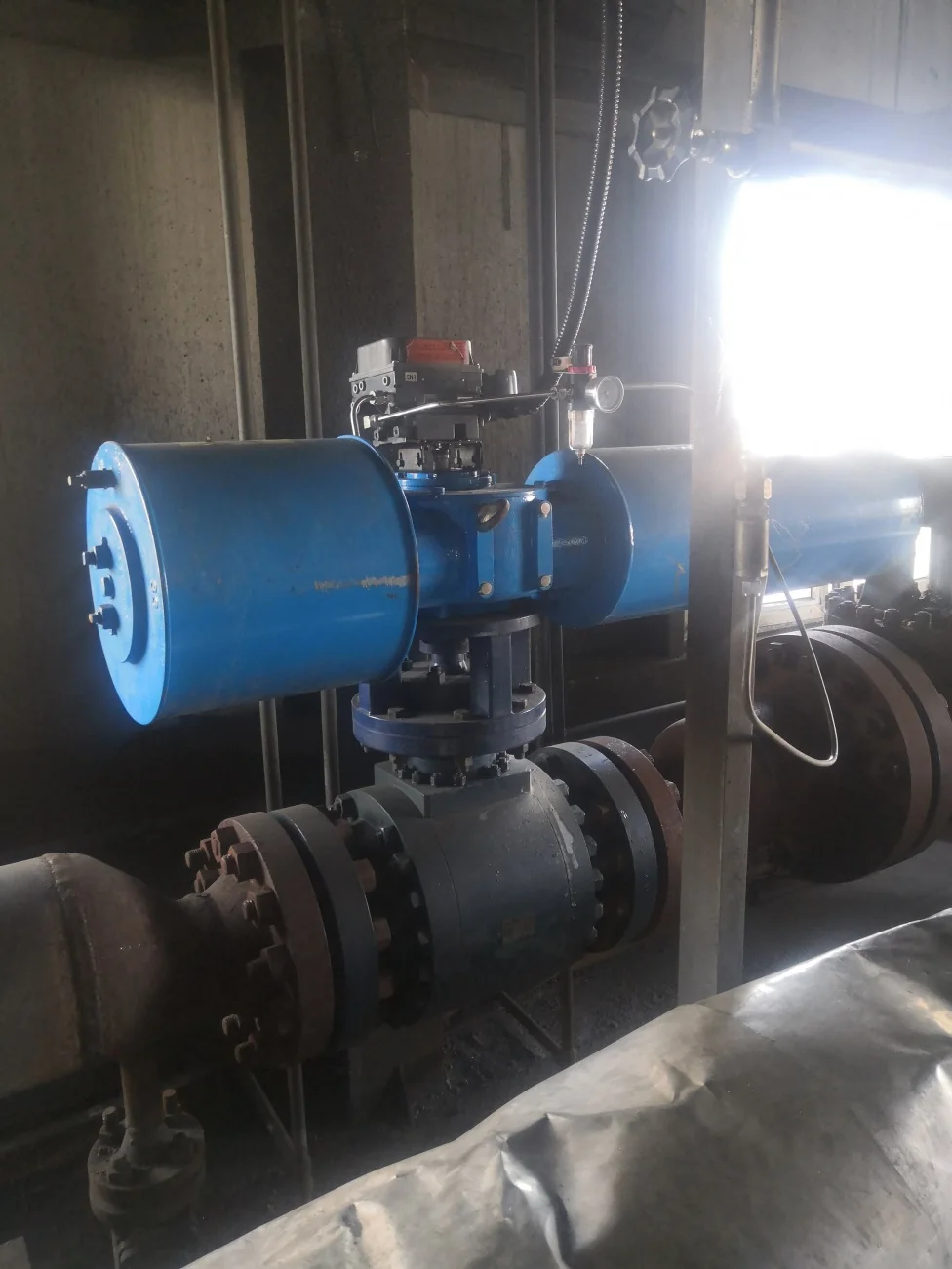
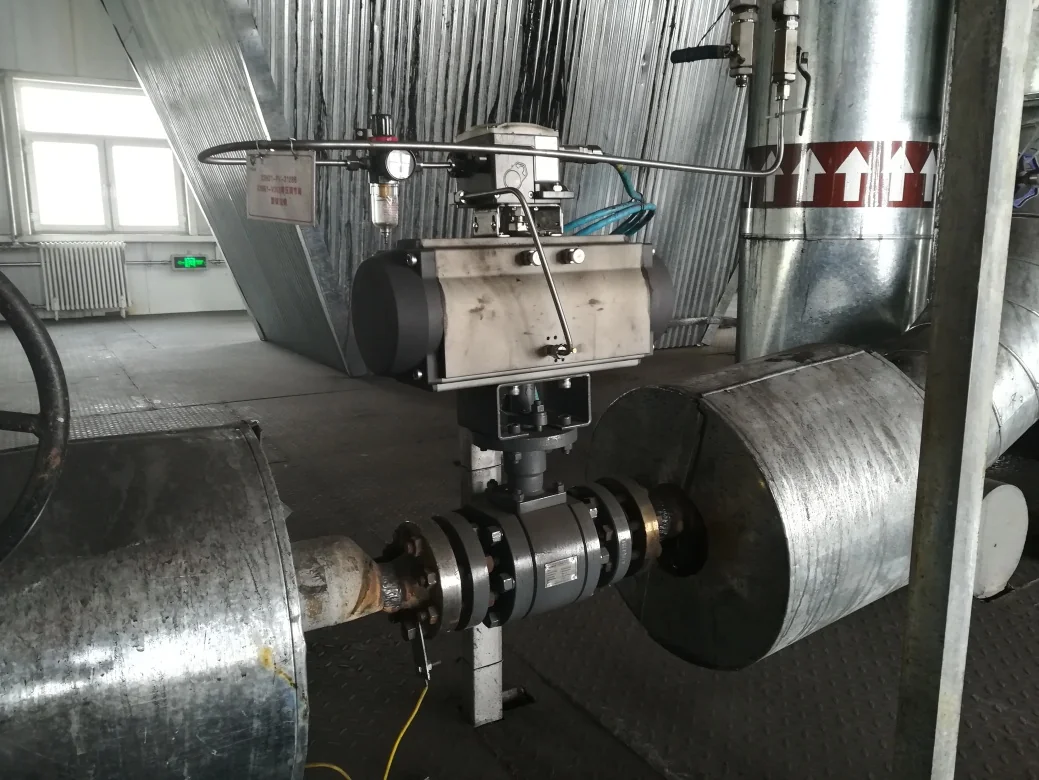
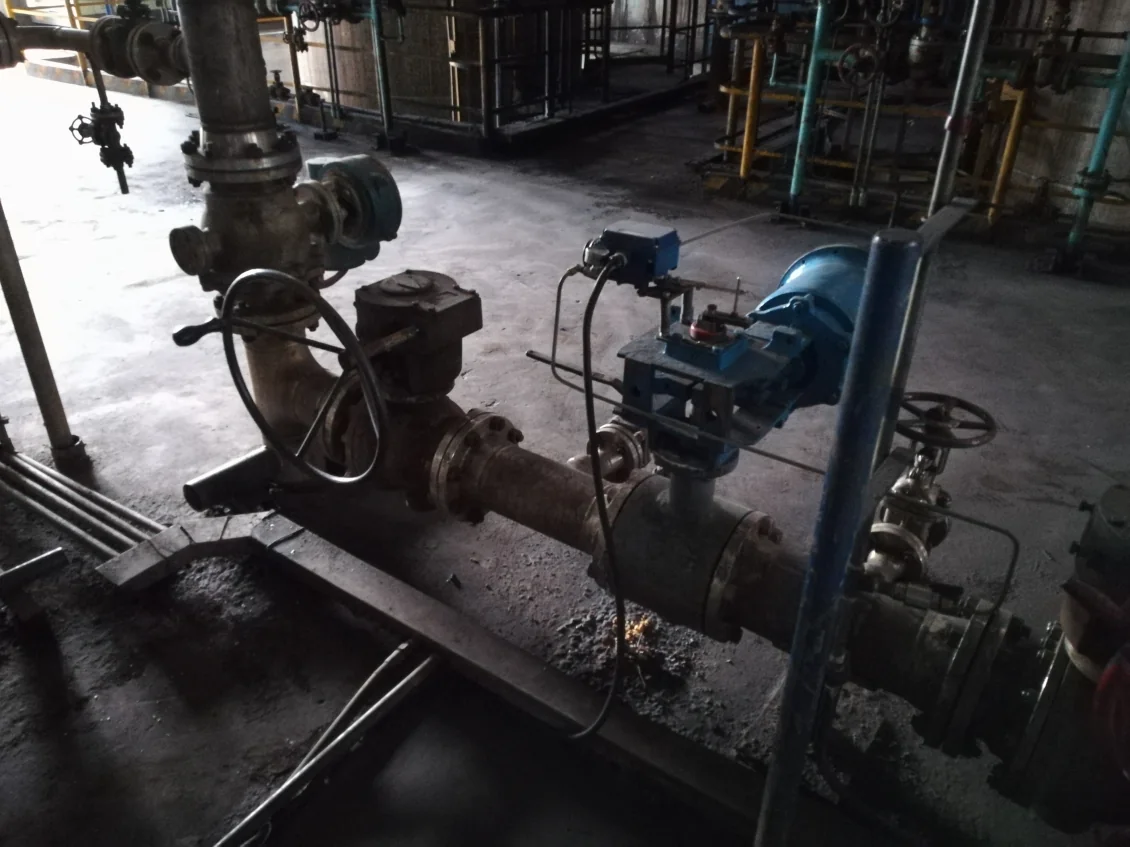
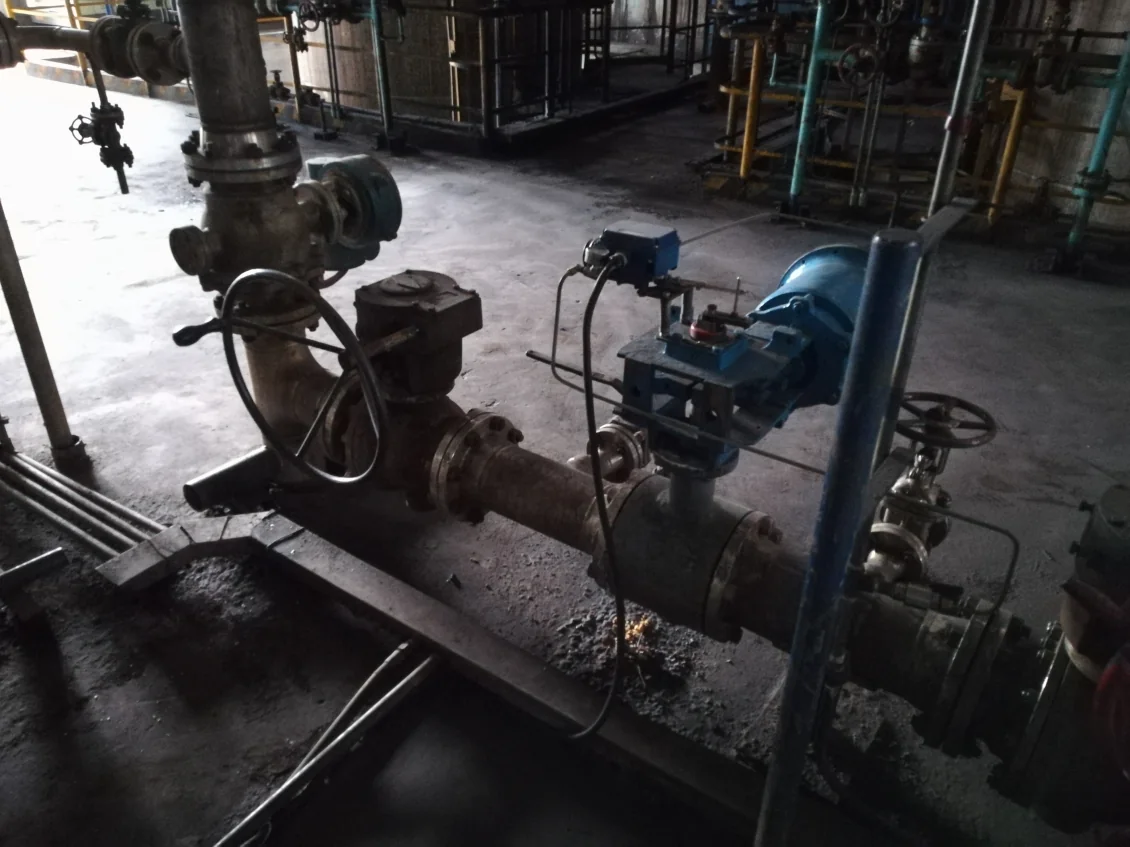
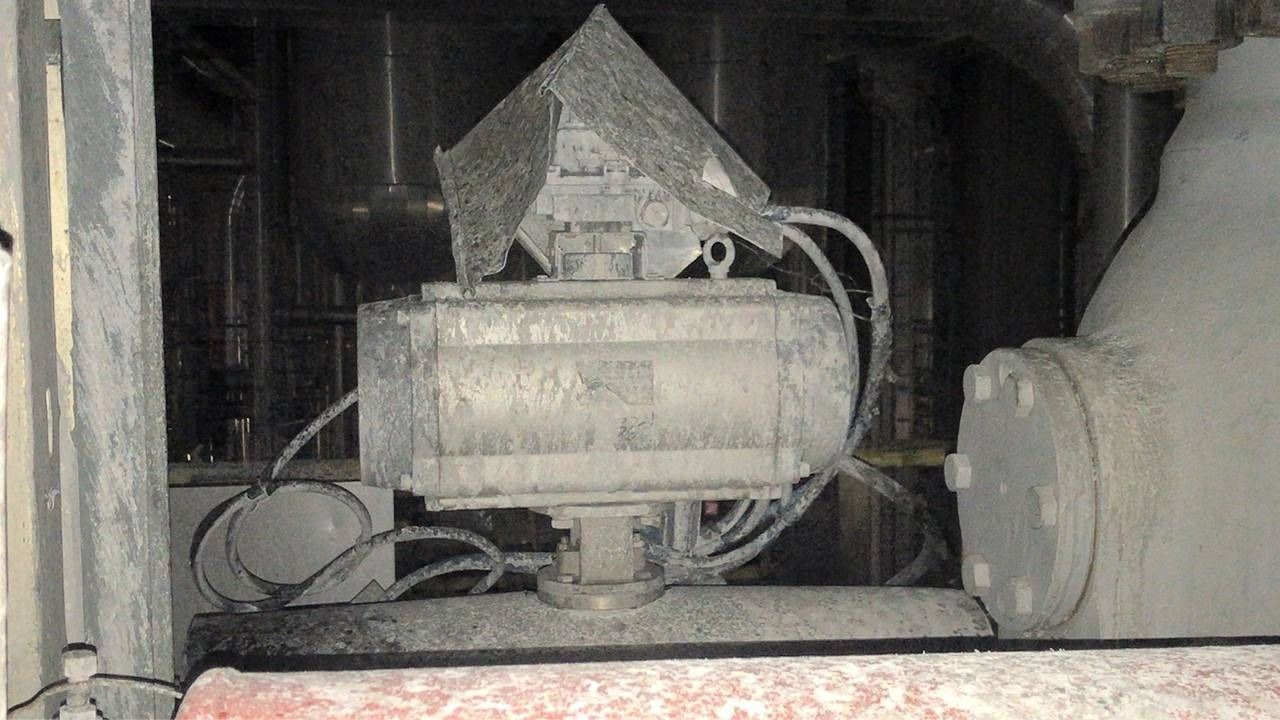
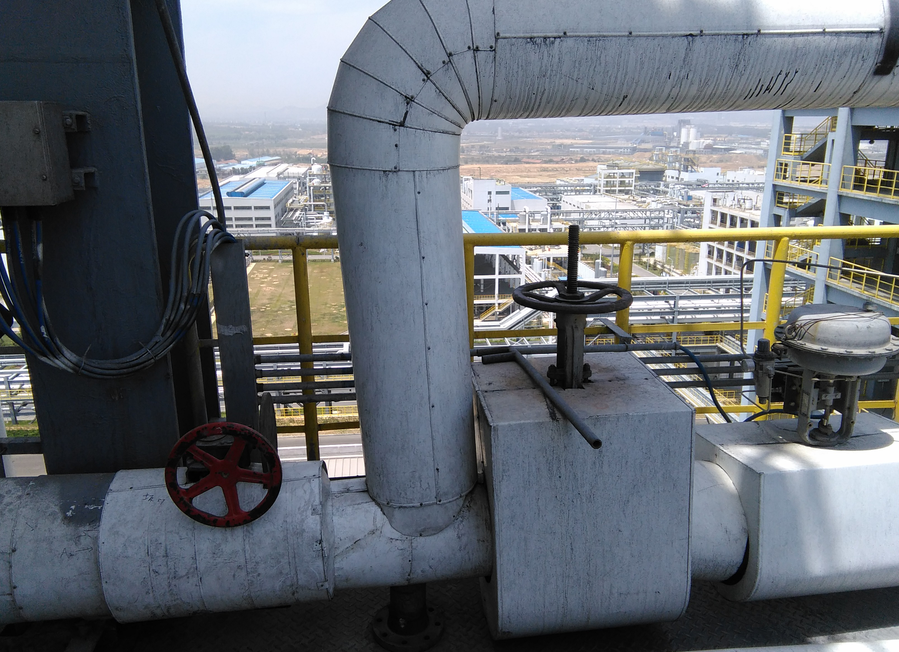
Coal Gasification: site photographs
End Users
- Ordos Yiding Coal Chemical Co., Ltd., China, commissioned in 2019
- Inner Mongolia Yitai Chemical Co., Ltd., China, in service since 2019
Application Background
In coal-gasification service containing abrasive ash and slag particles, ceramic valve trim provides high hardness, excellent erosion resistance and outstanding chemical stability. Compared with conventional metal valves, ceramic valves are better suited to particle-laden media and frequent process cycling. They reduce sealing-surface wear, internal leakage and unplanned maintenance while improving valve reliability and maintaining stable lock-hopper pressure and slag-discharge operations
At critical positions such as quench-water pump outlets and quench-water flow-control lines, conventional metal hard-seated valves lasted anywhere from only three days to six months. Metal eccentric rotary valves handling coal-water slurry and quench black water typically lasted only three to eight months
After replacement with KOWOV ceramic valves, service life increased to more than three years, generating cumulative cost savings of approximately RMB 5 million
Conclusion
Minimum recorded service life for ceramic control and on/off valves: ≥7 years
Commonly Used Products
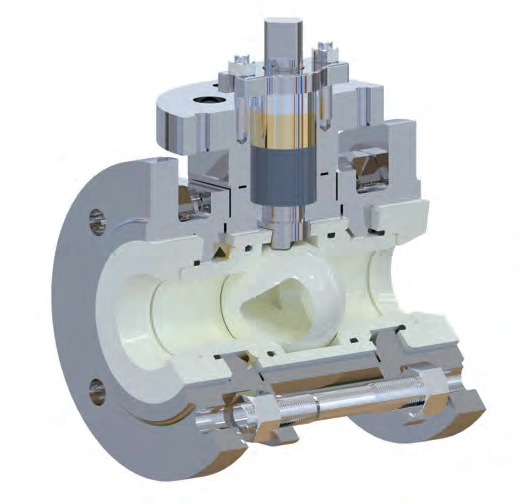
FCCV1
Standard Ceramic Ball Valve
A proven, versatile ceramic ball valve with a classic design, suitable for both on/off and flow-control service. It can be used in most applications with operating temperatures up to 180°C and pressures up to 5.0 MPa, and is particularly effective for corrosive media containing abrasive solids
- Size range: DN15-250 (½″-10″)
- Shut-off class: Class IV or higher
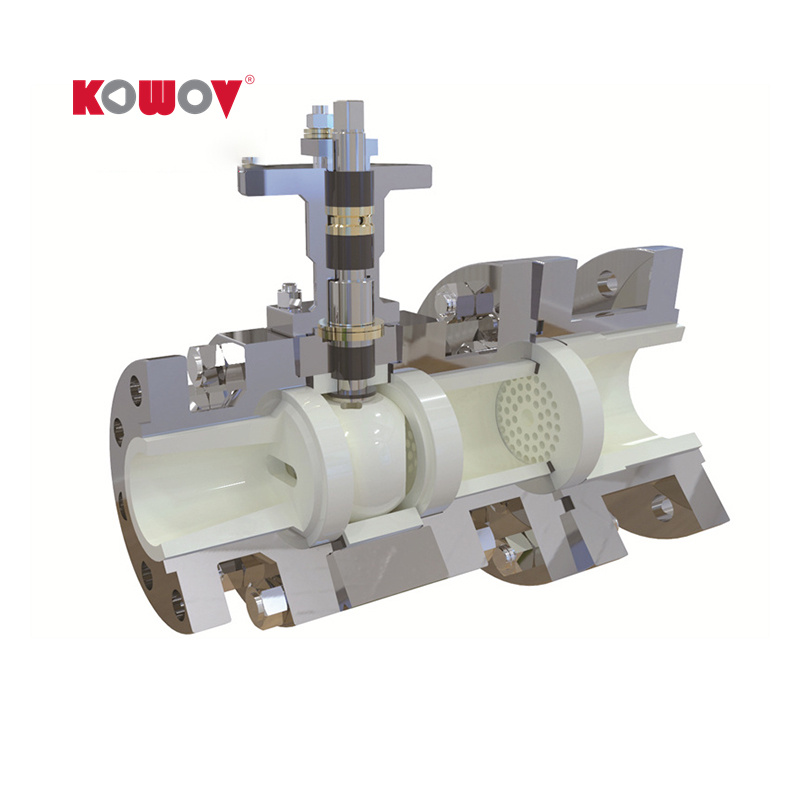
FCCV4
Anti-Jet Ceramic Control Ball Valve
Designed for flow control or first-stage pressure reduction under high differential-pressure conditions. Its anti-jet design reduces erosion, vibration and noise while meeting the erosion- and cavitation-resistance requirements of severe-service media. It also prevents concentrated high-velocity flow from impinging directly on the valve body at small openings
- Size range: DN25-250
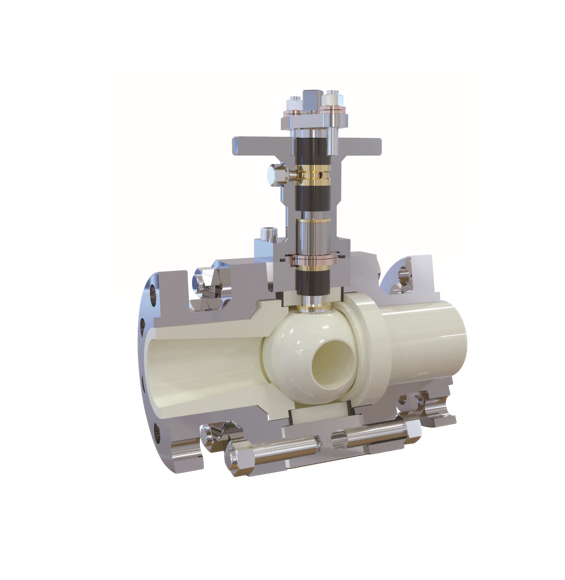
FCCV5
High-Temperature, High-Pressure Ceramic Ball Valve
Developed for applications involving elevated temperatures, high pressures, abrasive solid particles and high flow velocities. It is suitable for severe erosion and corrosion under high-temperature, high-pressure and high-differential-pressure conditions
Typical applications include ASME Class 600/900 service, severe erosion, cavitation and flashing conditions
- Size range: DN25-300
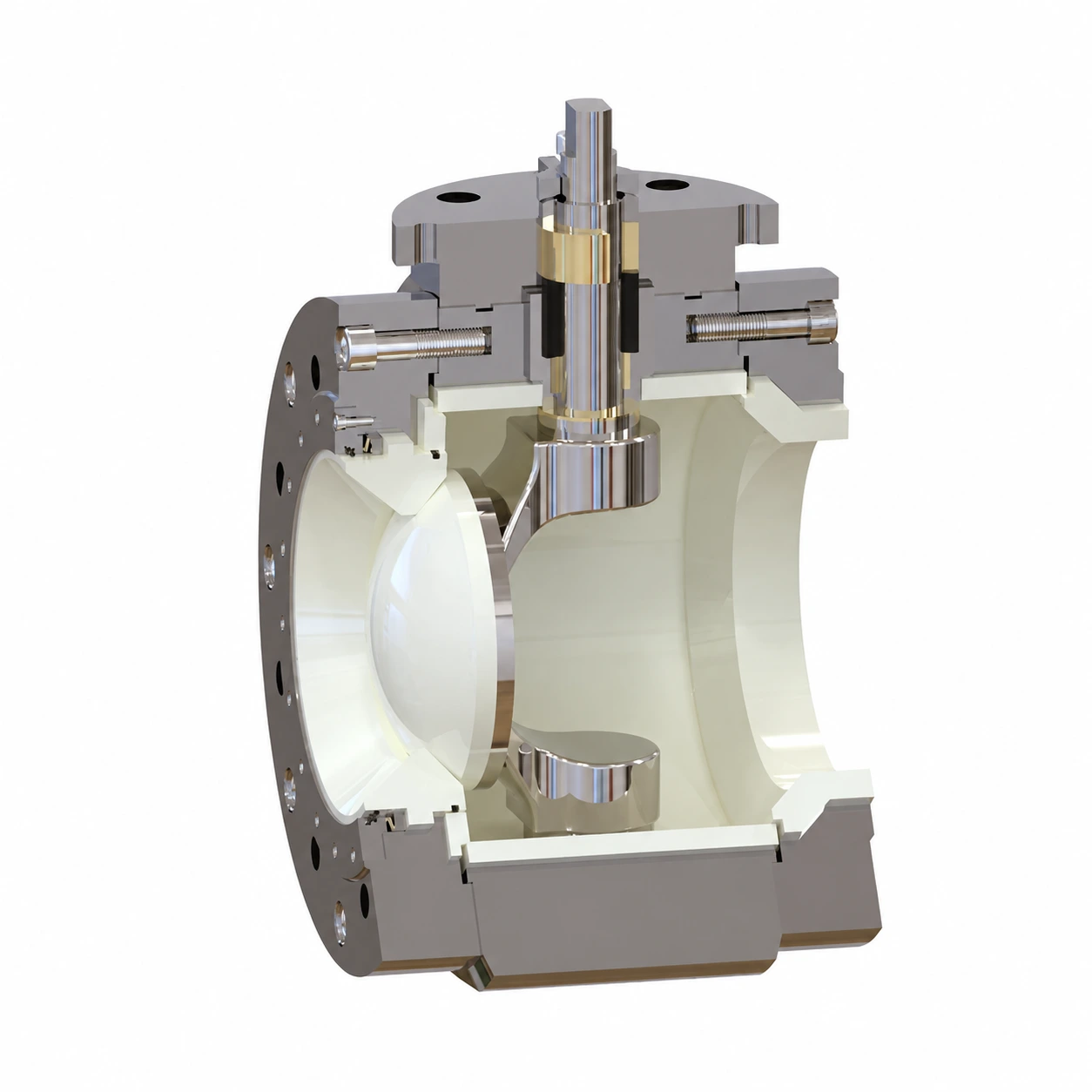
FCRV
Ceramic C-Ball Valve
The valve features a special C-shaped design. Its ball consists of a C-shaped metal support and a one-piece ceramic ball segment mechanically connected and securely embedded together. The ceramic segment protects the metal support from direct erosion by the process medium
The concentric design keeps the ceramic ball segment in continuous contact with the seat during operation, allowing it to scrape away deposits adhering to the sealing surfaces and maintain reliable shut-off performance. It is particularly suitable for media prone to crystallization, scaling, agglomeration, high solids loading and valve jamming. Its cavity-free design minimizes material accumulation inside the valve
- Size range: DN50-400
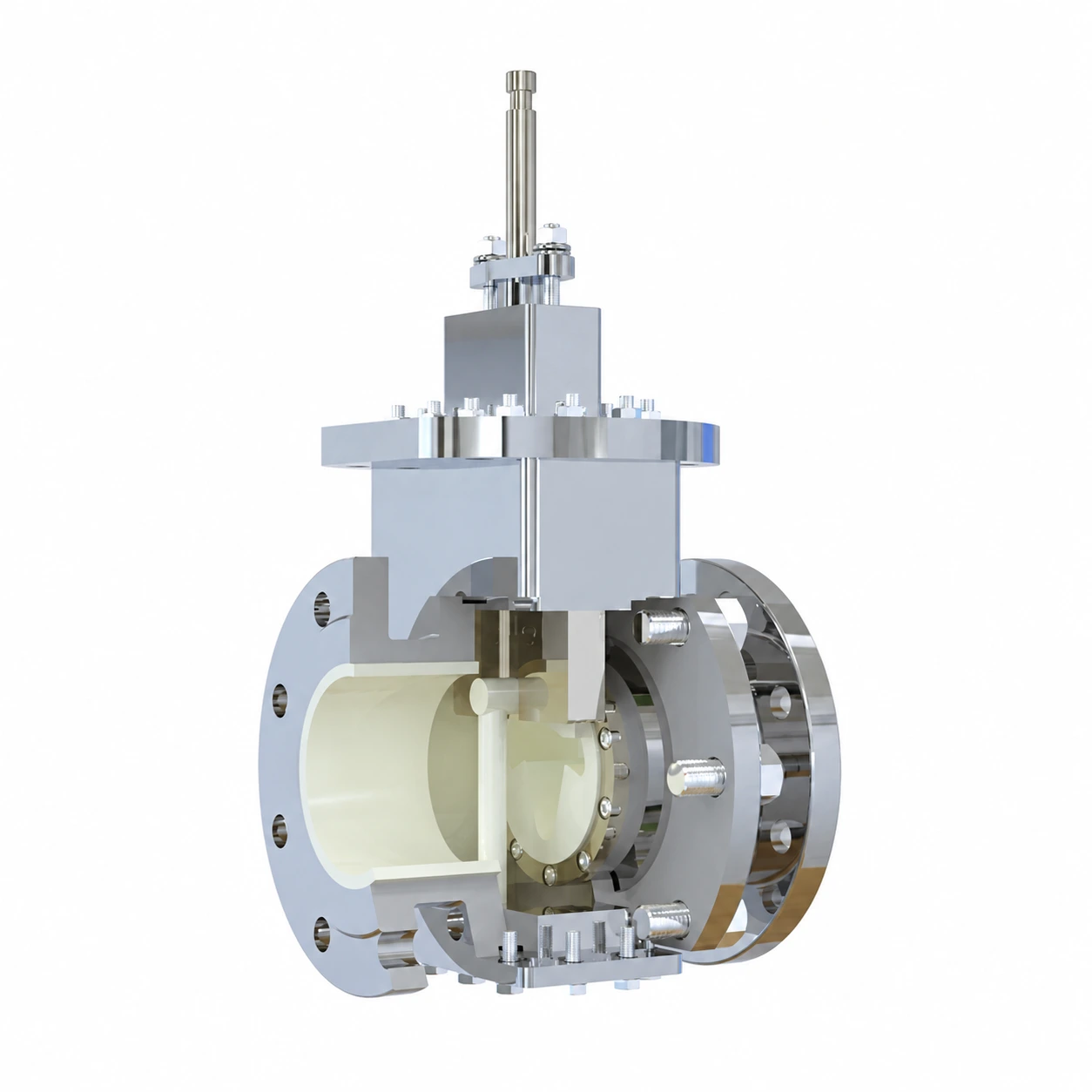
FCSV
Ceramic Slide Gate Valve
The valve disc moves vertically along the seat and forms a flat seal around the edge of the flow passage, minimizing erosion of the sealing surfaces. Its straight-through flow path has no sharp bends or stagnation zones, substantially reducing flow resistance and erosion
The ceramic disc is securely embedded in a metal carrier to prevent ceramic fracture if the valve becomes jammed. A T-slot connection between the metal carrier and valve stem keeps the disc in a floating position, improving sealing contact and shut-off reliability
- Size range: DN50-400
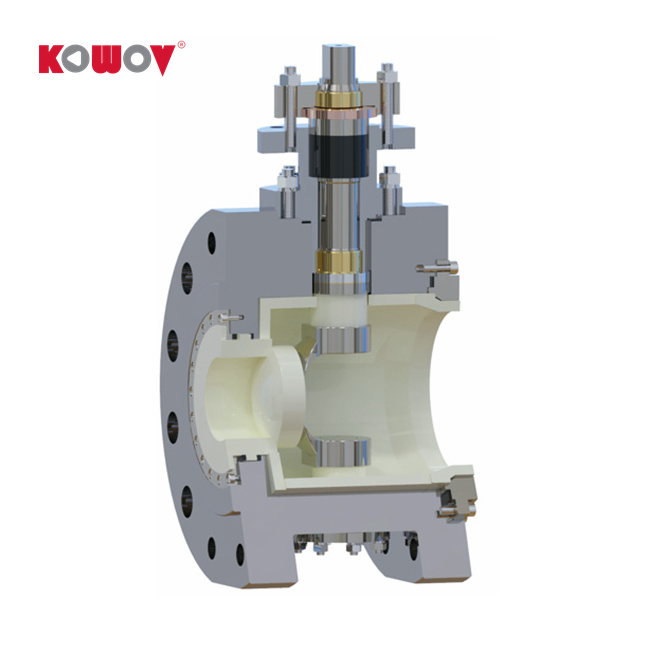
FERV
Ceramic Eccentric Rotary Valve
This valve features an eccentric rotary design with a metal support securely fitted with a one-piece ceramic ball segment and a fully ceramic-lined flow passage. It offers low operating torque, a streamlined flow path and high rangeability
Suitable for temperatures from −40°C to 456°C, it is particularly effective for viscous media and applications prone to clogging or valve seizure
- Size range: DN25-400
Contact Us
Talk to our team about your coal gasification application
Discuss your application